
The Different Shades of Love
Understanding the Universal Language of the Heart.

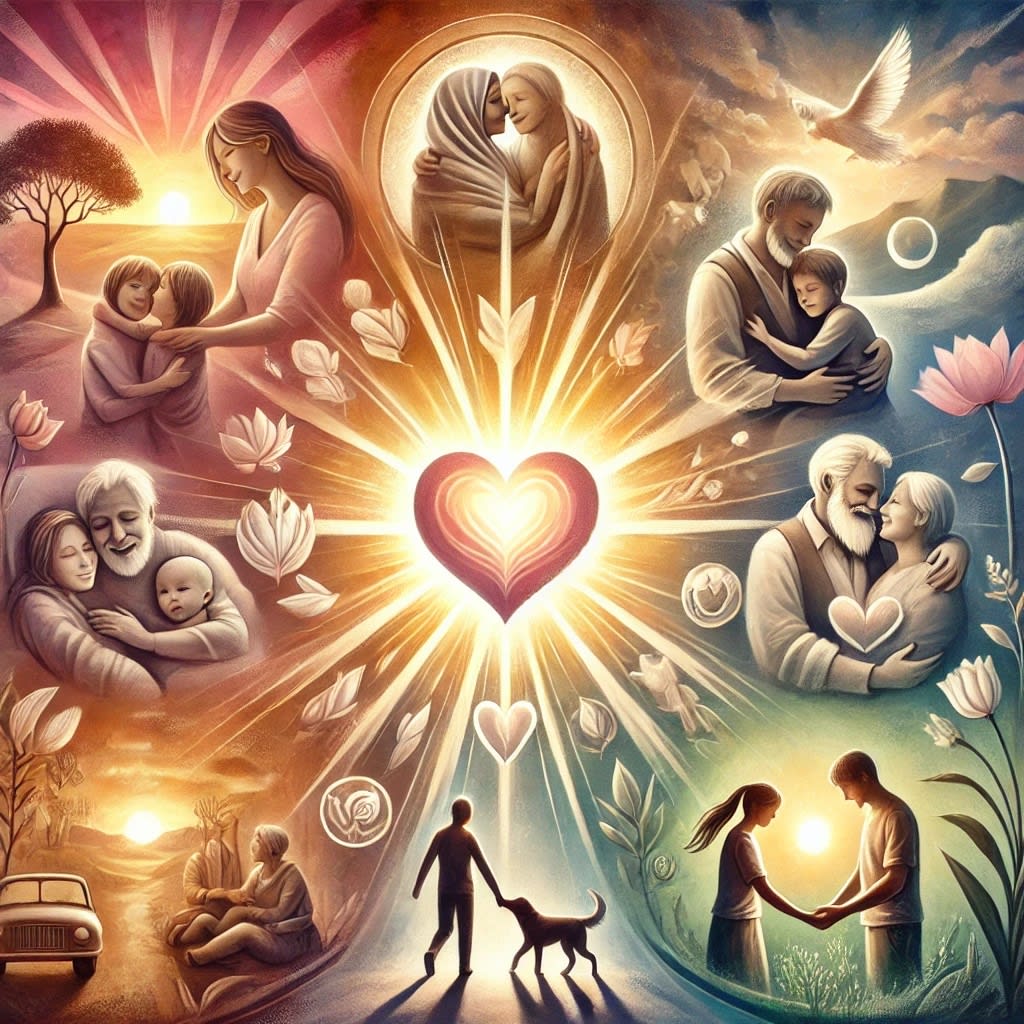
The small word “love” symbolizes the deepest emotions of human life. Its definition or form isn’t easy to explain, yet its impact is limitless. Love isn’t just for romantic partners. It can be for parents, siblings, friends, nature, or even the Creator. This multi-dimensional form of love binds humanity with an invisible bond—sometimes emotional, sometimes spiritual, and sometimes deeply friendly.
While exploring the feelings of love, French novelist Guy de Maupassant said, “Only women know how to truly love.” On the other hand, scientist Albert Einstein stated, “A man falls in love only once in his life.” Rabindranath Tagore took the depth of love to another level in his literary works, repeatedly asking about its nature and essence: “Sakhi, what is love?”
The definition of love varies across time and culture, but its core elements are universal: honesty, respect, and responsibility. These three qualities complete love. Love is not just limited to romantic relationships. The love between parents and children, the bond of friendship, or the compassion of the wealthy toward the needy—all of these are powerful forms of love.
The Philosophical and Emotional Side of Love
Greek philosopher Socrates once said, “Love is the intense desire for what is unattainable.” Mystic poet Jalaluddin Rumi saw love as a bridge connecting a person to their soul and the universe. Love is sometimes felt as deep emotions, and other times it is experienced through inner vision.
Love and relationships are not always filled with happiness. They also include separation, pain, and the sorrow of unfulfilled desires. Bengali literature reflects this bittersweet side of love in works like Rabindranath’s Shesher Kobita and Sarat Chandra’s Devdas. Even so, love helps people experience the deepest feelings and the grandeur of life.
The Greatness of Sacrifice for Love
History is full of examples of sacrifice for love. British King Edward VIII gave up his throne for his beloved. Mirabai, deeply in love with Lord Krishna, left her family and kingdom to live as a wandering devotee. Such sacrifices aren’t just for personal love but can also be for humanity.
The Universality of Love
Love is not limited to just humans, but it also extends to nature, the animal kingdom, and even art and culture. Love flows through every level of our existence, just as a mother selflessly loves her child and wishes for its well-being, nature similarly cares for and protects each of its creations. Just as we enjoy the beauty of plants and flowers, an animal also cares for its offspring and ensures their safety. This love is not just physical or emotional, but an inseparable bond that makes every being more caring and compassionate towards one another. Similarly, love is expressed in art and culture—through a piece of art, an artist conveys their deepest emotions, inspiring people to show love and respect for each other.
The Lessons of Love
When we celebrate Valentine’s Day, it should not be limited to just one day; we should practice love every day of our lives. Love is not just a feeling; it is a responsibility. It is our duty towards one another, which is not only confined to our personal relationships but also applies to our connection with the world around us. Helping the poor and helpless, standing by a neighbor in times of trouble—these are also forms of love.
True love is not limited to romantic thoughts or actions; it is a universal force that unites humanity and spreads across all people, regardless of nation, religion, or culture. Love is found in the simplest of actions—helping someone, comforting a friend in sorrow, or speaking with a stranger with a smile. It teaches us to understand others' needs, show empathy, and forces us to think about the well-being of those around us.
Love teaches us patience, sacrifice, and forgiveness, which help maintain healthy and strong personal and social relationships. It is a lesson that we must carry in our daily lives, in our words, actions, and thoughts.
Conclusion
Love is limitless and eternal. It’s not just the joy of life; it’s also the meaning of life. Love isn’t just about “receiving”; it’s also found in “giving.” As Rumi beautifully said, “Wherever you are, whatever you do—immerse yourself in love.” Life without love is empty, so spread love every day and embrace others with the warmth of your heart.
About the Creator
Md. Solayman Hossain Sabuj
Hi, I’m Md. Solayman Hossain Sabuj, a teacher and a storyteller. I share stories to inspire and connect. Let’s explore self-discovery, overcoming challenges, and more together. Feel free to connect!
Keep reading
More stories from Md. Solayman Hossain Sabuj and writers in Families and other communities.
Modernity of the Smart Generation vs. Islam and Humanity
Many young people who grew up in small towns under the watchful eyes of their parents come to the bright or colorful cities in search of jobs or higher education. Some see these cities as colorful and beautiful, but others, when they arrive, lose sight of their goals. They come to these big cities with hopes of seeing life in a new way, but sometimes they get lost among the thousands of people here.
By Md. Solayman Hossain Sabujabout a year ago in Families
Dua for Love Back
Love is one of the most beautiful emotions created by Allah. It brings peace, happiness, and emotional comfort into our lives. However, relationships are not always easy. Misunderstandings, distance, ego, or external influences can sometimes cause two loving hearts to separate. When this happens, many people feel sadness and helplessness.
By Karm Aalign Muslim - Dua For Love Back - Wazifa For Love Back - Dua to Make Someone Love youabout 21 hours ago in Families
My First Time Skiing and I Got Lost, Alone, in the French Alps
Looking back, I can trace some of my life’s biggest adventures to a simple action from my sister. She’d introduced me to Tommy (a very long time ago), a colleague of hers, who had overshared his penchant for Italian-looking women, and I ticked that box.
By Chantal Christie Weissabout 20 hours ago in Humans




Comments
There are no comments for this story
Be the first to respond and start the conversation.