
The Complex Realities of Marriage and Divorce
The deep ugliness of Marriage and Divorce

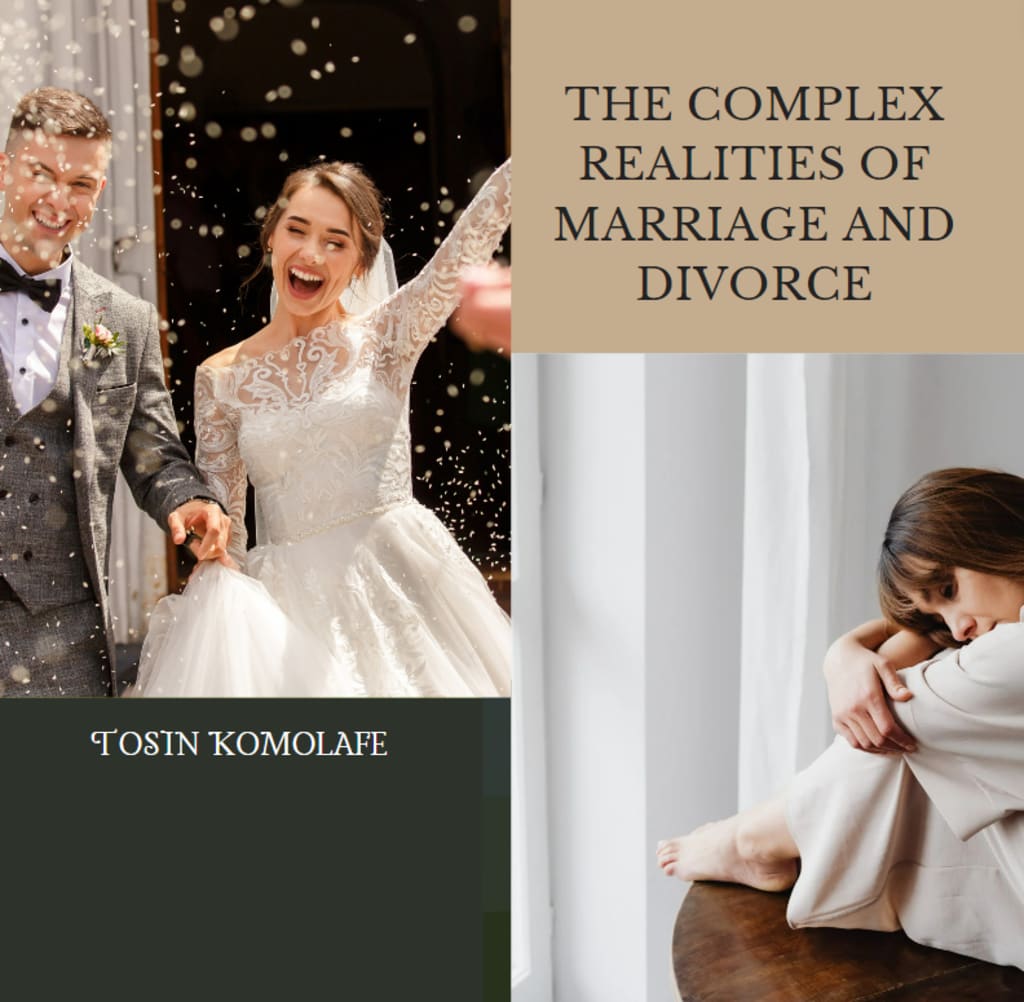
Marriage is revered as the cornerstone of society, symbolizing love, commitment, and the union of two individuals. It is an institution that carries with it the promise of lifelong companionship and support. However, the reality of marriage and its counterpart, divorce, often reveals a hidden underbelly of complexities and challenges that can result in deep emotional turmoil and upheaval for all involved parties. The dynamics of marriage and divorce encompass a wide array of emotions, from the joy and love experienced during courtship to the resentment and pain that can accompany the breakdown of a relationship. This essay explores the deep ugliness of marriage and divorce, shedding light on the complexities of these deeply significant life events and the implications they hold for individuals, families, and society as a whole.
Marriage is commonly perceived as the epitome of love, where two individuals come together in a union that is founded upon affection, understanding, and mutual respect. The courtship phase is often characterized by a sense of euphoria and joy, where couples experience the excitement of building a life together. However, over time, the initial honeymoon phase of marriage can give way to resentment, as the realities of life set in. This transition from courtship to resentment before breakup is a poignant reflection of the complexities inherent in marriage.
Resentment within a marriage can stem from a variety of sources, including unmet expectations, communication breakdowns, financial stress, or diverging life goals. The accumulation of unresolved issues can lead to a deep-seated resentment that festers over time, eroding the foundation of the relationship. As couples grapple with the weight of resentment, the once euphoric emotions of courtship may seem like a distant memory, overshadowed by the growing disillusionment and bitterness within the marriage.
The repercussions of resentment within a marriage extend beyond the couple themselves, impacting their children, extended family, and wider social circle. Children raised in an environment marked by parental resentment may experience emotional distress, absorbing the tension and negativity that permeates their home life. Moreover, the broader community may bear witness to the strain and discord within the marriage, prompting ripple effects that reverberate throughout society.
In the context of divorce, the ugliness of a marriage becomes starkly evident as couples navigate the tumultuous process of uncoupling. Divorce represents the dissolution of the vows and promises made during marriage, often giving rise to a multitude of conflicts and challenges. Co-parenting, in particular, becomes a focal point of contention, as both individuals seek to maintain their roles as caregivers while adjusting to the realities of raising children in separate households. The complexities of co-parenting post-divorce can breed animosity and power struggles, further exacerbating the emotional toll of divorce.
Furthermore, the legal proceedings associated with divorce can introduce additional layers of complexity and acrimony. Court battles over asset division, alimony, and child custody can escalate tensions, resulting in protracted and adversarial disputes. The deeply personal nature of these legal proceedings can lead to emotional distress and financial strain, as individuals grapple with the intricate web of legalities and negotiations.
The effects of marriage and divorce extend far beyond the individuals directly involved, shaping the fabric of society and influencing societal norms and attitudes. The ways in which marriages function, as well as the prevalence of divorce, contribute to the broader cultural landscape, impacting perceptions of commitment, family dynamics, and individual well-being. Additionally, the prevalence of divorce and its associated challenges can place a strain on social support systems, highlighting the need for comprehensive resources and support structures to assist individuals and families through the complexities of marriage and divorce.
In conclusion, the deep ugliness of marriage and divorce encompasses a multitude of emotional, psychological, and societal complexities. From the journey of courtship to the erosion of resentment before breakup, and the disruptive aftermath of divorce, these experiences underscore the intricate and often harrowing nature of intimate relationships. As society grapples with the implications of marriage and divorce, it becomes crucial to foster a deeper understanding of the challenges involved and to cultivate supportive frameworks that promote emotional well-being and resilience. By acknowledging the deep ugliness inherent in the complexities of marriage and divorce, individuals, families, and communities can strive towards greater empathy, understanding, and solidarity in navigating these profound life events.
About the Creator
Keep reading
More stories from Empowering Winning Solutions and writers in Families and other communities.
The Complexities of Our Love Story: Part 2
Long before the fateful stormy night that brought Jack, Katherine, and Adrian together, a chapter of their love story unfolded, marked by unbridled passion and the intoxicating allure of romance. It was a time when the city's secrets were mere whispers in the wind, and the complexities of their connection were yet to be unravelled.
By Empowering Winning Solutions2 years ago in Fiction
Wise~Guys
— Look Behind what's in Front of You ~ Make Good Choices — Hey, So how you Doin'..! Made~Men — Mobster Movies romanticise a distinctive, elegant appearance, impeccable attire style, along with the 'Families' expressive lingo. Making their 'Bones' gave them Panache — with vintage fedoras, tailored pin-striped suits, mirror-polished wing-tip shoes adorned with tassels; with their 'Gun Moll' gorgeous dates on their arms.
By Jay Kantor23 days ago in Families
Autonomy Is The Real Privilege
Good morning, freedom-seekers! Today we’re gonna be looking at autonomy. A strange word, I know; one many would probably look at blankly and run away from on sight. We’re gonna figure out what it actually means, consider how it’s achieved, and decipher just how deeply most of us are tangled up in dependence without realising it.
By That ‘Freedom’ Guy4 days ago in Humans




Comments
There are no comments for this story
Be the first to respond and start the conversation.