
How to Get Rid of Mould on Fabric: Tips and Tricks
Get Rid of Mould on Fabric Couch

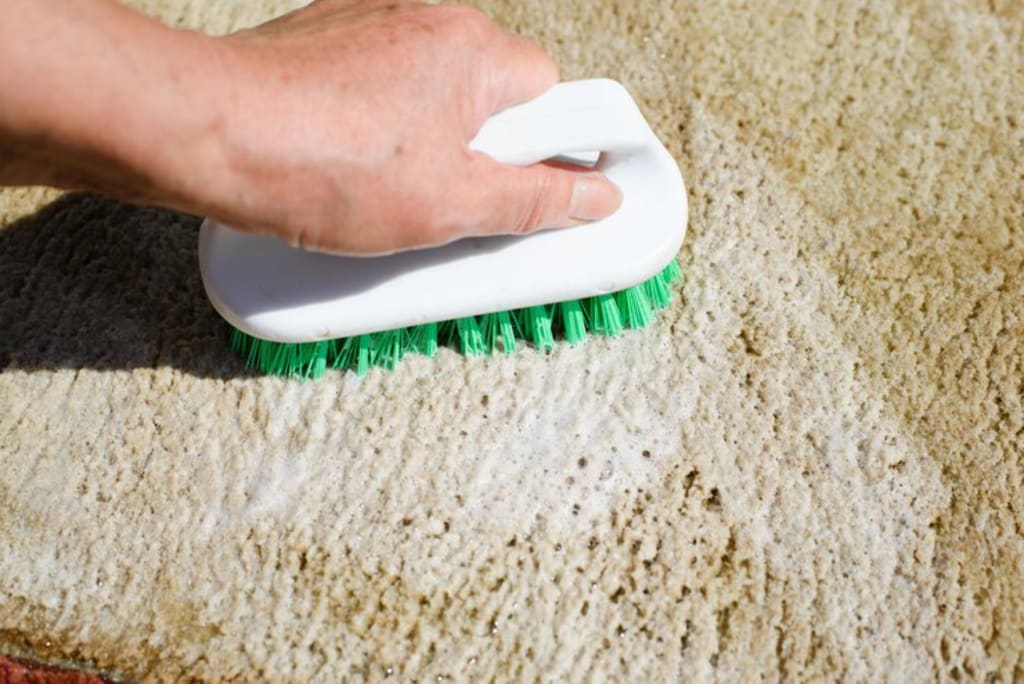
Mould on fabric is a common issue, especially in areas with high humidity, poor ventilation, or dampness. It not only looks bad but can also damage the fabric and cause health problems like allergies and respiratory issues. Whether it’s your favorite clothing, furniture upholstery, or curtains, mould can spread quickly if not treated properly. Luckily, there are easy and effective ways to clean mould off fabric at home without using harsh chemicals like bleach.
In this blog, we will share practical tips on how to remove mold from fabric, how to get mold out of fabric, and how to remove mold from fabric furniture without bleach. These natural and safe methods will help you restore your fabric’s appearance and prevent mould from returning.
Why Does Mould Grow on Fabric?
Mould is a type of fungus that thrives in warm, damp, and humid environments. Fabric, especially natural fibers like cotton, linen, and wool, can easily absorb moisture from the air or through direct contact with water, providing an ideal breeding ground for mould. Some common causes that notice by professional couch cleaners of mould growth on fabric include:
- High humidity: Moist air can get trapped in fabrics, creating a damp environment where mould can thrive.
- Poor ventilation: Areas with little airflow, like closets or rooms with closed windows, can become breeding grounds for mould on fabric items.
- Wet clothes: Leaving damp clothes in a laundry basket or closet can lead to mould growth.
- Spills and accidents: When liquids spill on fabric furniture and aren’t cleaned properly, they can lead to mould buildup.
Mould on fabric can cause discolored spots, unpleasant odors, and weaken the fibers, making it essential to remove it as soon as possible.
Signs of Mould on Fabric
Before learning how to get rid of mould on fabric, it’s important to recognize the signs of mould. Here’s how you can tell if there’s mould growing on your fabric:
- Visible spots: Mould often appears as black, green, or white spots on the surface of the fabric.
- Musty smell: If the fabric has a damp, musty odor, it’s likely that mould is present.
- Texture changes: Mould can make fabric feel damp, sticky, or rough to the touch.
If you notice any of these signs on your clothes, upholstery, or other fabric items, it’s time to take action.
How to Remove Mould from Fabric: Natural Methods
When it comes to cleaning mould from fabric, you don’t need to rely on bleach or harsh chemicals. Here are some easy, natural methods that are safe for most fabrics.
1. Sunlight and Fresh Air
One of the simplest ways to kill mould is by using sunlight. Mould thrives in dark, damp environments, and exposure to direct sunlight can naturally kill mould spores.
Steps:
- Take the fabric item outside and shake it to remove loose mould spores. Be sure to do this outdoors to avoid spreading spores inside your home.
- Lay the fabric flat in a sunny spot for several hours. The sun’s UV rays will help dry out the moisture and kill the mould.
- After a few hours, brush off any remaining mould with a soft brush or cloth.
- Wash the fabric as usual to remove any lingering spores or musty smells.
- Tip: For fabric furniture, you can place it near an open window or in a well-ventilated area where sunlight can reach.
- Sunlight is one of the most natural and effective solutions for how to remove mold from fabric, especially for lighter mould stains.
2. White Vinegar Solution
White vinegar is a powerful and natural cleaner that works well for removing mould from fabric. It’s acidic, which helps break down mould spores, and it’s also a deodorizer, making it effective at removing musty smells.
Steps:
- Mix equal parts white vinegar and water in a spray bottle or a basin.
- Spray the vinegar solution directly onto the mouldy fabric or soak the fabric in the solution if it’s small enough.
- Let the vinegar sit on the fabric for at least 30 minutes to loosen the mould.
- After soaking, scrub the fabric gently with a soft brush or cloth to lift the mould.
- Rinse the fabric with cold water and dry it in direct sunlight to kill any remaining mould spores.
- White vinegar is a safe and eco-friendly alternative to bleach, making it perfect for people wondering how to remove mold from fabric furniture without bleach.
3. Baking Soda and Water Paste
Baking soda is a gentle but effective cleaning agent that can help remove mould stains from fabric. It also acts as a natural deodorizer, getting rid of any musty smells caused by mould.
Steps:
Mix 1 tablespoon of baking soda with a small amount of water to form a paste.
- Apply the paste directly to the mouldy area of the fabric.
- Gently scrub the paste into the fabric using a soft brush or cloth.
- Let the paste sit for 10 to 15 minutes to allow it to work on the mould.
- Rinse the fabric thoroughly with cold water and hang it outside to dry in the sun.
- Baking soda is a great option for people searching for how to get mold out of fabric safely, without using harsh chemicals.
4. Lemon Juice and Salt
Lemon juice is a natural bleaching agent that can help lighten mould stains on fabric. Combined with salt, it creates a scrub that can lift mould from fabric surfaces.
Steps:
- Squeeze fresh lemon juice onto the mouldy fabric, making sure to saturate the affected area.
- Sprinkle a generous amount of salt over the lemon juice.
- Rub the mixture into the fabric gently using your fingers or a soft brush.
- Place the fabric in direct sunlight and let it sit for several hours.
- Once the fabric has dried, rinse it with cold water and wash it as usual.
This method works especially well for lighter-colored fabrics and is a natural way to remove mould without using bleach.
5. Hydrogen Peroxide
Hydrogen peroxide is another excellent alternative to bleach for removing mould from fabric. It’s a powerful cleaner that can disinfect and brighten fabric without causing damage.
Steps:
- Pour 3% hydrogen peroxide directly onto the mouldy fabric. Make sure the entire area is covered.
- Let the hydrogen peroxide sit on the fabric for 10 to 15 minutes.
- Gently scrub the mouldy area with a soft brush or cloth to lift the mould.
- Rinse the fabric with cold water and allow it to air dry in the sun.
- Hydrogen peroxide is a safe and effective solution for how to remove mold from fabric furniture without bleach, as it doesn’t leave harmful residues behind.
How to Remove Mold from Fabric Furniture Without Bleach
Fabric furniture can be tricky to clean, but there are effective methods that don’t involve bleach. Since bleach can damage the color and texture of upholstery, these natural alternatives will help you remove mould safely.
1. Vacuum the Furniture First
Before using any cleaning solution on fabric furniture, it’s a good idea to vacuum the surface to remove loose mould spores. This helps prevent the mould from spreading further into the fabric.
Use a vacuum with a HEPA filter to trap mould spores effectively.
Pay close attention to creases, folds, and corners where mould can hide.
2. Clean with a Vinegar Solution
White vinegar is a safe and effective way to clean mould off fabric furniture. It kills mould, removes stains, and eliminates odors without damaging the fabric.
Steps:
- Mix equal parts white vinegar and water in a spray bottle.
- Spray the vinegar solution onto the mouldy areas of the furniture, ensuring they are fully saturated.
- Allow the solution to sit for 30 minutes to an hour.
- Use a clean, damp cloth to blot the area and remove the mould.
- Once the mould is gone, let the furniture air dry in a well-ventilated area or use a fan to speed up the drying process.
3. Use Baking Soda for Spot Treatment
Baking soda can also be used on fabric furniture to remove mould and neutralize odors.
Steps:
- Sprinkle baking soda directly onto the mouldy spots.
- Let the baking soda sit for at least an hour (or overnight for stubborn mould).
- Vacuum the area to remove the baking soda and any loosened mould spores.
- Wipe the area with a damp cloth to ensure all residue is gone.
- Baking soda is a gentle and natural way to clean fabric furniture without worrying about damaging the upholstery.
Preventing Mould Growth on Fabric
Once you’ve removed the mould from your fabric, it’s important to take steps to prevent it from coming back. Here are some tips to help keep mould at bay:
- Keep fabrics dry: Always ensure that your clothes, towels, and other fabrics are thoroughly dry before storing them. Avoid leaving wet items in piles or closed spaces.
- Improve ventilation: Open windows or use fans in areas where moisture tends to build up, such as bathrooms and laundry rooms.
- Use a dehumidifier: In particularly humid environments, a dehumidifier can help reduce moisture levels, making it harder for mould to grow.
- Clean spills promptly: If liquid spills on fabric furniture, clean it up immediately to prevent moisture from seeping into the fabric and causing mould growth.
FAQs About Removing Mould from Fabric
1. Can I use bleach to remove mould from fabric?
While bleach can remove mould, it’s harsh and can damage fabric, especially colored or delicate items. It’s better to use natural alternatives like vinegar, baking soda, or hydrogen peroxide.
2. What’s the best way to get rid of the musty smell from mould?
Vinegar and baking soda are excellent for removing musty smells from fabric. Sunlight and fresh air also help deodorize mouldy fabric.
3. Is hydrogen peroxide safe for all fabrics?
Hydrogen peroxide is generally safe for most fabrics, but it’s always a good idea to test it on a small, hidden area first to make sure it doesn’t cause discoloration.
4. How can I prevent mould from growing on fabric in storage?
Store fabric items in a dry, well-ventilated area, and consider adding moisture-absorbing products like silica gel packets to closets or storage bins.
5. Can I remove mould from fabric furniture without bleach?
Yes, natural methods like vinegar, baking soda, and hydrogen peroxide are effective for removing mould from fabric furniture without the need for bleach.
Conclusion
Mould on fabric can be a nuisance, but with the right techniques, it’s easy to remove and prevent it from coming back. Using natural and safe methods like vinegar, baking soda, lemon juice, and hydrogen peroxide, you can clean mould from clothing, upholstery, and other fabric items without resorting to harsh chemicals like bleach.




Comments
There are no comments for this story
Be the first to respond and start the conversation.