
The Benefits and Risks of Acupuncture in Pregnancy
Acupuncture in Pregnancy

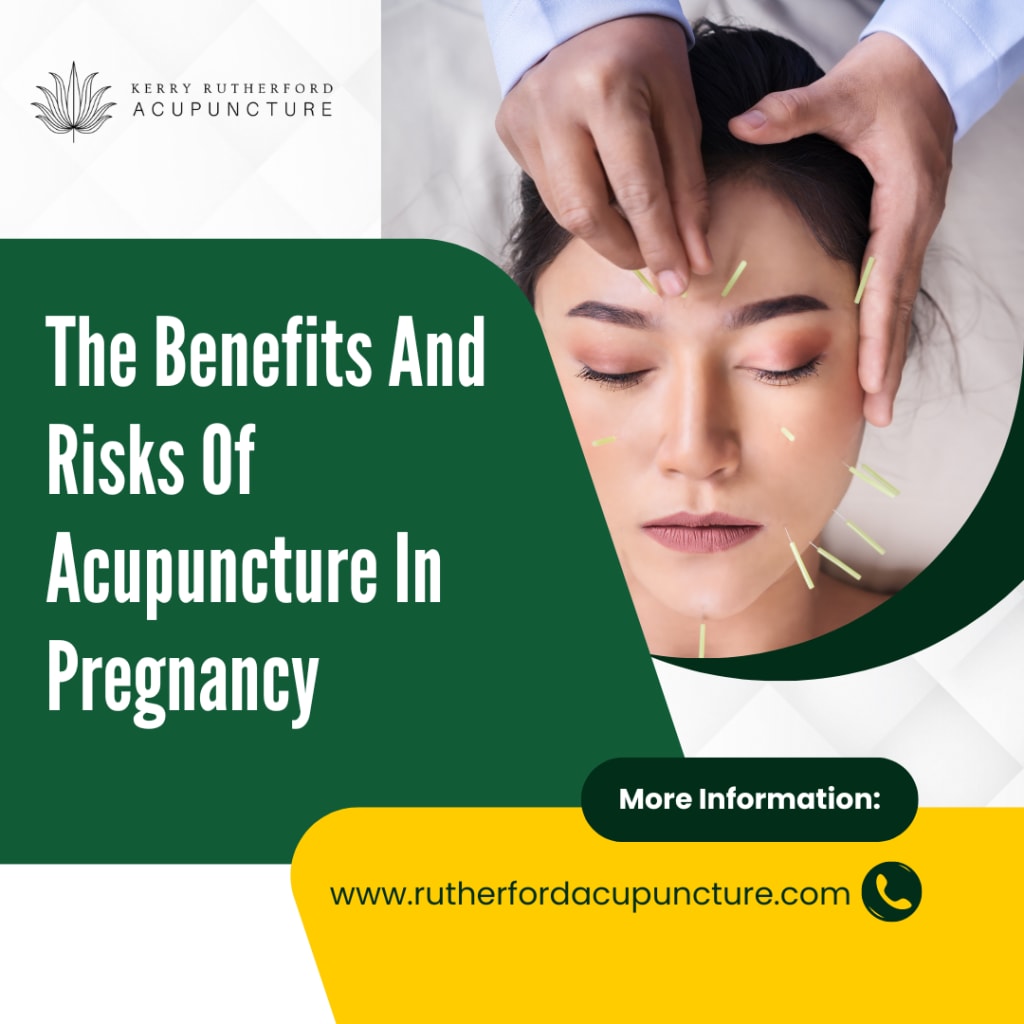
Acupuncture has been practised for thousands of years, originating in ancient China and now embraced globally for its holistic approach to health and well-being. This ancient practice involves the insertion of fine needles into specific points on the body to stimulate the body's natural healing processes. In recent years, acupuncture has gained significant attention as a complementary therapy, especially for those dealing with fertility issues and pregnancy-related conditions. While many swear by its benefits, it is essential to understand both the advantages and potential risks of acupuncture during pregnancy, particularly for those considering it as part of their prenatal care.
Acupuncture for Fertility and Pregnancy
Acupuncture for fertility is increasingly becoming popular, particularly for women seeking alternative or complementary treatments to assist with conception. Many believe that acupuncture can help regulate hormones, reduce stress, and improve blood flow to reproductive organs, thus enhancing the chances of conception.
Women who have difficulties conceiving may find acupuncture beneficial in combination with other medical interventions, such as in vitro fertilisation (IVF). Some fertility clinics even recommend acupuncture to support IVF cycles, as it may improve the likelihood of success.
However, acupuncture's benefits extend beyond conception. For women already pregnant, acupuncture can offer relief from a variety of discomforts and complications associated with pregnancy.
Benefits of Acupuncture During Pregnancy
1. Relief from Morning Sickness
Nausea and vomiting are common complaints during the first trimester of pregnancy. Acupuncture is frequently recommended to alleviate the severity of morning sickness. By targeting specific acupuncture points, particularly those on the wrist, it is believed that acupuncture can help to balance the digestive system and reduce nausea and vomiting.
2. Reducing Stress and Anxiety
Pregnancy is an exciting but also stressful time for many women. Hormonal changes, physical discomforts, and the anticipation of childbirth can all contribute to heightened anxiety levels. Acupuncture is known for its calming effects, helping to reduce stress hormones and promote a sense of relaxation. Many women find that regular acupuncture sessions during pregnancy help them manage anxiety and improve their overall mental health.
3. Managing Pain
As the pregnancy progresses, many women experience pain, particularly in the lower back, hips, and pelvis. Acupuncture is believed to release endorphins, the body’s natural painkillers, which can alleviate pregnancy-related pain without the need for medication. Additionally, it is thought to improve circulation, which can help reduce swelling and discomfort in the legs and feet.
4. Encouraging Breech Babies to Turn
Around the 34th week of pregnancy, some babies may still be in a breech position (feet or bottom down instead of head down). Acupuncture, combined with moxibustion (a heat therapy using dried mugwort), is sometimes used to encourage breech babies to turn into the optimal head-down position. Research has shown that acupuncture can be a gentle and non-invasive method to help correct breech presentation.
5. Easing Labour and Delivery
Many women seek acupuncture in the final weeks of pregnancy to prepare for labour. It is believed that acupuncture can help soften the cervix, reduce labour pain, and even shorten the duration of labour. Additionally, acupuncture may stimulate the body’s natural oxytocin production, which can help in triggering contractions when a woman is overdue.
6. Balancing Hormones
Hormonal fluctuations during pregnancy can lead to mood swings, fatigue, and sleep disturbances. Acupuncture is believed to support the endocrine system and regulate hormone production. By doing so, it can help improve energy levels, mood stability, and sleep quality.
The Risks of Acupuncture During Pregnancy
While acupuncture is generally considered safe during pregnancy, it is essential to be aware of the potential risks. These risks are generally low when acupuncture is performed by a qualified and experienced practitioner, but they should not be overlooked.
1. Unqualified Practitioners
One of the biggest risks associated with acupuncture during pregnancy is seeking treatment from an unqualified practitioner. Acupuncture is a highly specialised practice that requires knowledge of the body’s anatomy and an understanding of pregnancy’s unique needs. In the hands of an unqualified practitioner, there is a risk of complications, such as infection or incorrect needle placement. Pregnant women should always ensure they are receiving treatment from a licensed and experienced acupuncturist who is familiar with prenatal care.
2. Stimulation of Certain Acupuncture Points
Certain acupuncture points, particularly those on the lower abdomen, lower back, and specific points in the hands and feet, are thought to stimulate uterine contractions. If these points are stimulated too early in pregnancy, it could potentially lead to miscarriage or preterm labour. Experienced acupuncturists will know which points to avoid or stimulate with caution.
3. Mild Side Effects
Some women may experience mild side effects after acupuncture, such as dizziness, light-headedness, or minor bruising at the needle sites. These effects are typically short-lived and not harmful, but pregnant women should be cautious, especially if they feel faint after treatment.
4. Infections
Although rare, there is a risk of infection if needles are not properly sterilised. Reputable practitioners use single-use, disposable needles to prevent infections. Pregnant women should verify that their acupuncturist adheres to strict hygiene and sterilisation practices.
5. Pre-existing Health Conditions
Pregnant women with certain pre-existing health conditions, such as clotting disorders or high blood pressure, should consult their healthcare provider before starting acupuncture treatment. Acupuncture may not be suitable for everyone, and women with specific medical conditions may need a modified treatment approach.
Conclusion: Is Acupuncture Safe During Pregnancy?
Acupuncture can offer many benefits to pregnant women, from alleviating morning sickness and pain to helping turn breech babies and reducing stress. However, like any medical treatment, it comes with risks. When performed by a trained and qualified practitioner, acupuncture is generally considered safe and can be a valuable complement to traditional prenatal care.
For women struggling with fertility issues, acupuncture may also be a helpful tool in improving the chances of conception. By promoting relaxation, improving blood flow to reproductive organs, and regulating hormones, acupuncture for fertility has gained support as a complementary therapy.
However, it is crucial to consult with a healthcare provider before starting acupuncture during pregnancy. Pregnant women should seek treatment from an experienced acupuncturist who understands the specific needs of pregnancy and knows which acupuncture points to avoid.
In summary, acupuncture during pregnancy can offer numerous physical and emotional benefits when practised safely. It is a natural, drug-free way to alleviate many of the discomforts and challenges that come with pregnancy, making it a popular choice for expectant mothers seeking holistic care.
About the Creator
Kerry Rutherford Acupuncture
Kerry Rutherford - Your trusted source for acupuncture for fertility and IVF in Hertfordshire. Discover expert care and support for your reproductive health journey.
Keep reading
More stories from Kerry Rutherford Acupuncture and writers in Families and other communities.
How to Choose an IVF Clinic
Choosing an IVF (In Vitro Fertilisation) clinic is one of the most crucial decisions for couples and individuals facing fertility challenges. With IVF being such a significant emotional and financial investment, it’s vital to select the right clinic that aligns with your needs, values, and expectations. From understanding the success rates to evaluating the expertise of the clinic, each factor plays a role in ensuring a positive IVF experience.
By Kerry Rutherford Acupunctureabout a year ago in Families
Wise~Guys
— Look Behind what's in Front of You ~ Make Good Choices — Hey, So how you Doin'..! Made~Men — Mobster Movies romanticise a distinctive, elegant appearance, impeccable attire style, along with the 'Families' expressive lingo. Making their 'Bones' gave them Panache — with vintage fedoras, tailored pin-striped suits, mirror-polished wing-tip shoes adorned with tassels; with their 'Gun Moll' gorgeous dates on their arms.
By Jay Kantor17 days ago in Families



Comments
There are no comments for this story
Be the first to respond and start the conversation.