
The Arab Families and Their Wealth: A Story of Legacy, Power, and Luxury
Inside the World of Arab Families: Wealth, Power, and the Legacy of Prosperity

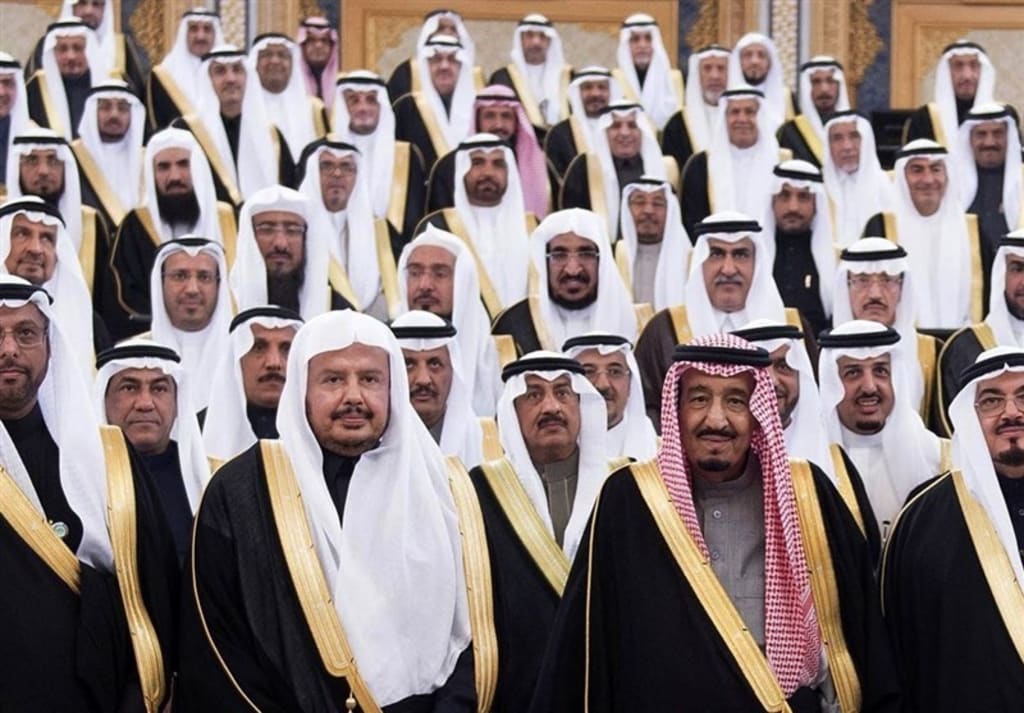
The Arab world is home to some of the wealthiest and most influential families in history. Known for their immense fortunes, luxurious lifestyles, and deep cultural roots, many Arab families have become global symbols of power and prosperity. But their riches aren’t just a result of modern oil booms—they’re deeply intertwined with centuries of history, trade, and innovation.
The Roots of Arab Wealth
The immense wealth of many Arab families can be traced back to the natural resources of the region, particularly oil and gas. Countries like Saudi Arabia, the United Arab Emirates, and Qatar sit on some of the largest oil reserves in the world. This has led to the rise of oil barons and royal families who have leveraged these resources to build empires.
However, Arab wealth isn’t solely dependent on oil. Historically, the Middle East was the center of global trade routes, connecting Europe, Asia, and Africa. The ancient Silk Road passed through the region, fostering a culture of commerce and wealth accumulation. Families involved in trade, pearls, spices, and gold laid the foundation for the fortunes we see today.
One of the best examples of this is the Al-Futtaim family in the UAE. What started as a small trading business has grown into a conglomerate spanning industries like retail, automotive, and real estate, demonstrating that Arab wealth is about more than just natural resources—it’s about vision and entrepreneurship.
The Royals: A Legacy of Wealth and Power
When talking about wealthy Arab families, it’s impossible not to mention the royal families of the Gulf. These families wield immense political and economic power, and their influence extends far beyond their borders.
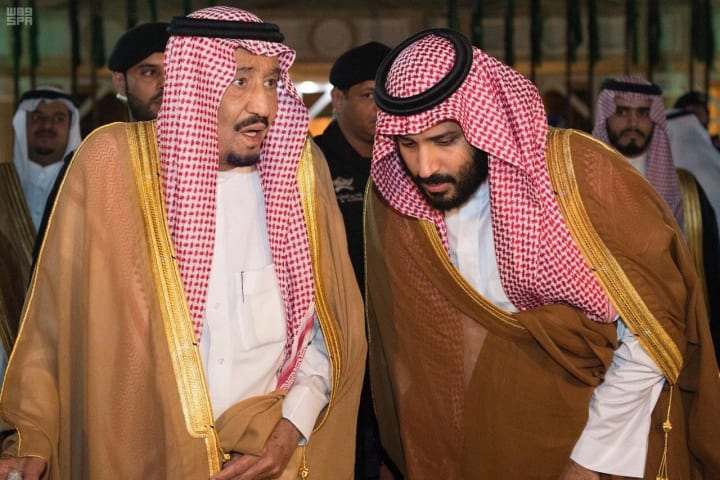
The House of Saud
At the top of the list is Saudi Arabia’s royal family, the House of Saud. The family’s wealth is estimated at over $1.4 trillion, making them one of the richest families in the world. Their fortune comes primarily from Saudi Aramco, the state-owned oil company that is the most valuable company globally.
The House of Saud’s immense wealth is visible in their luxurious lifestyles, from sprawling palaces to extravagant yachts and private jets. But it’s not just about luxury—they’ve also invested heavily in the country’s infrastructure, cultural projects, and Vision 2030, an ambitious plan to diversify Saudi Arabia’s economy beyond oil.
The Al Thani Family
In Qatar, the Al Thani family, the rulers of the country, are another example of immense wealth. Known for their investments in luxury real estate, art, and global businesses, the family has placed Qatar on the map as a center of wealth and culture.
The Al Thanis own iconic properties like the Shard in London and are some of the biggest art collectors in the world, often spending hundreds of millions of dollars on single pieces. Their strategic investments in industries like natural gas have ensured Qatar remains one of the richest countries per capita in the world.
Beyond Oil: Arab Families Redefining Wealth
While oil has been the cornerstone of many fortunes, several Arab families have diversified their wealth into other industries, making their success stories even more inspiring.
The Al Nahyan Family (UAE)
The rulers of Abu Dhabi, the Al Nahyan family, have invested billions into real estate, tourism, and renewable energy. They’ve turned Abu Dhabi into a hub of luxury and innovation.
For example, Masdar City, a sustainable urban development project, reflects their vision for a future beyond oil. The family’s wealth is estimated at over $150 billion, and they’ve used it to transform their emirate into a global powerhouse.
Majid Al Futtaim Group
The Majid Al Futtaim family, known for their retail and entertainment empire, has revolutionized shopping and leisure in the Middle East. With iconic malls like Mall of the Emirates in Dubai (complete with an indoor ski slope!), they’ve created experiences that attract millions of visitors annually.
Their story is a testament to innovation and vision, proving that wealth can be built through strategic thinking and bold ideas.
The Lifestyle of the Ultra-Wealthy
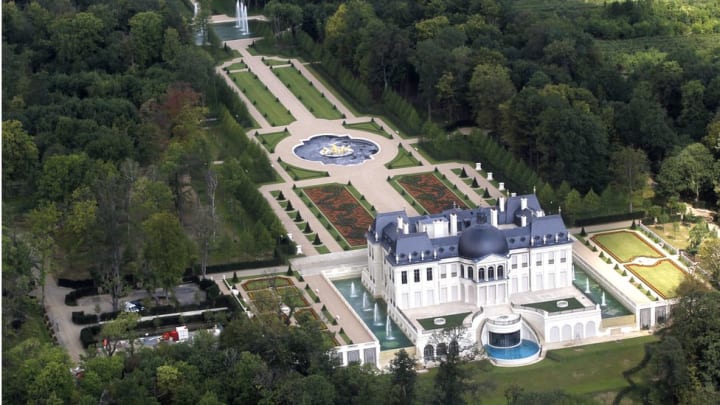
The wealth of Arab families is often reflected in their extravagant lifestyles. From private islands to fleets of supercars, the world’s most luxurious items are often owned by Arab billionaires.
Palaces: Some Arab royal families live in palaces so large they rival small cities. For instance, the Royal Palace of Riyadh, owned by the House of Saud, is one of the most opulent in the world.
Supercars: It’s common to see fleets of Lamborghinis, Ferraris, and Rolls-Royces in cities like Dubai. Many of these cars are custom-made with gold or diamond finishes.
Yachts and Jets: Arab billionaires own some of the most extravagant yachts and private jets. One example is Prince Alwaleed bin Talal, a Saudi billionaire who owns a private Airbus A380, often called a "flying palace."
But it’s not all about luxury. Many Arab families are also generous philanthropists, donating billions to charitable causes, funding hospitals, schools, and cultural institutions around the world.
Lessons from the Wealth of Arab Families
Arab families have shown the world what it takes to build, grow, and sustain immense wealth. Here are some key lessons from their success:
Think Long-Term: Many Arab families, particularly royals, think in terms of decades or even centuries. Their wealth isn’t just about the present—it’s about securing the future.
Diversify Investments: From oil and gas to real estate, art, and tech, these families ensure they aren’t reliant on a single source of income.
Cultural Legacy: Wealth isn’t just about money—it’s about preserving culture and giving back to society. Many Arab families invest heavily in cultural and philanthropic projects.
Final Thoughts
The wealth of Arab families is more than just a display of riches—it’s a testament to their vision, ambition, and legacy. Whether through the royal families shaping nations or entrepreneurs building global empires, their stories inspire us to think big and create a lasting impact.
Their journey reminds us that true success isn’t just about accumulating wealth—it’s about how you use it to shape the world around you.
About the Creator
FinanceLove
Just a guy who like to write about Finance.
Keep reading
More stories from FinanceLove and writers in Families and other communities.
Warren Buffett: The Making of the World’s Greatest Investor and Lessons to Learn
Warren Buffett, widely known as the “Oracle of Omaha,” is one of the most successful investors of all time. With a net worth exceeding $100 billion, he has built a financial empire based on patience, discipline, and a deep understanding of value investing. But Buffett’s story isn’t just about money—it’s about a unique philosophy on life, business, and success. So, how did Warren Buffett become one of the wealthiest and most admired figures in the world? Let’s explore his journey and uncover lessons on how to emulate his approach.
By FinanceLoveabout a year ago in Humans
Wise~Guys
— Look Behind what's in Front of You ~ Make Good Choices — Hey, So how you Doin'..! Made~Men — Mobster Movies romanticise a distinctive, elegant appearance, impeccable attire style, along with the 'Families' expressive lingo. Making their 'Bones' gave them Panache — with vintage fedoras, tailored pin-striped suits, mirror-polished wing-tip shoes adorned with tassels; with their 'Gun Moll' gorgeous dates on their arms.
By Jay Kantor24 days ago in Families
Men who eat nuts tend to have better quality sperm
Peak Potency: How a Daily Nut Habit Elevates Male Sperm Quality Male fertility rates have dropped in recent years. Many couples struggle to conceive, and men often overlook their role in this challenge. Your diet can make a big difference here. Nuts stand out as a simple fix. They pack antioxidants and healthy fats that support better sperm quality. Think of them as fuel for your reproductive system. Studies show men who eat nuts regularly see real gains in sperm health. If you're planning a family or just want peak vitality, adding nuts could be your smart move.
By Story silver book 7 days ago in Families




Comments
There are no comments for this story
Be the first to respond and start the conversation.