
Surrey's Best Cleaning Service
The Essential Guide to Roof Cleaning
The Complete Guide to Roof Cleaning: Why, How, and When to Do It
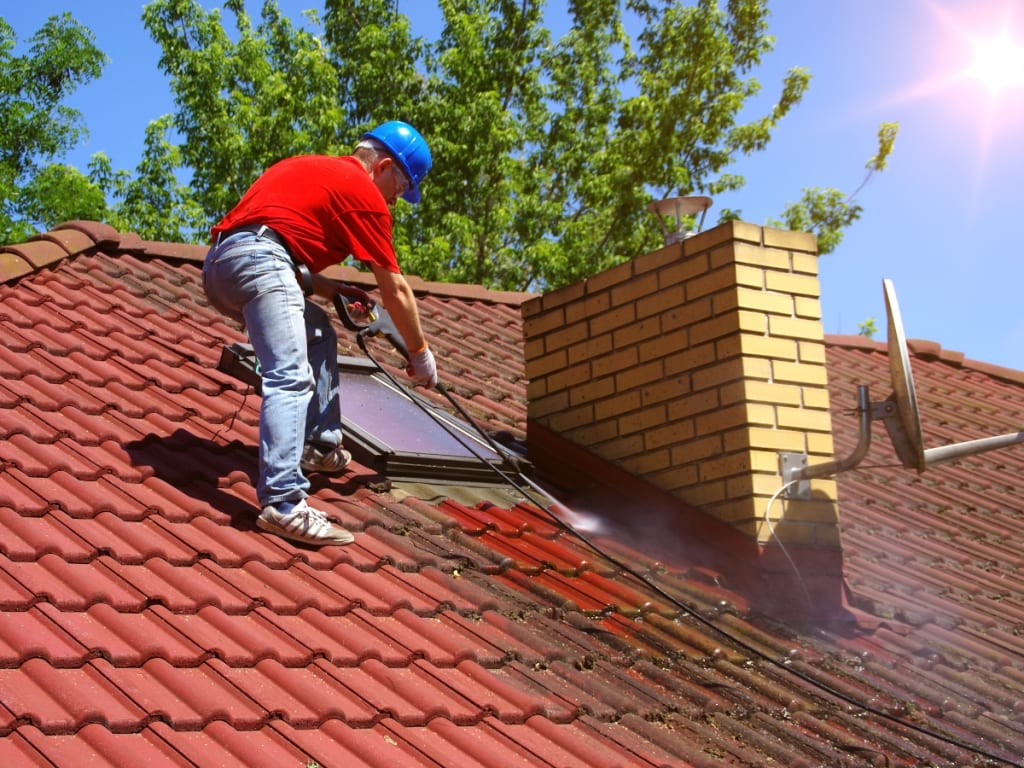
Your roof is one of the most important parts of your home, shielding you from the elements and contributing to its overall structural integrity. However, it is also one of the most overlooked areas when it comes to maintenance. Roof cleaning is a critical task that can significantly extend the life of your roof, enhance its appearance, and prevent costly repairs. In this blog, we’ll explore the importance of roof cleaning, the methods involved, and tips for maintaining a clean, healthy roof.
Why Is Roof Cleaning Important?
Extend the Lifespan of Your Roof
Over time, dirt, moss, algae, and lichen can accumulate on your roof. These elements can degrade roofing materials, especially shingles, by trapping moisture and encouraging rot. Regular cleaning prevents this damage, helping your roof last for decades.
2. Improve Energy Efficiency
A dirty roof covered in dark stains and moss can absorb more heat, increasing indoor temperatures and forcing your HVAC system to work harder. Cleaning your roof can reflect sunlight more effectively, improving energy efficiency.
3. Enhance Curb Appeal
Your roof is a visible part of your home’s exterior. A clean roof can dramatically enhance the overall appearance of your property, which is especially important if you’re considering selling.
4. Prevent Structural Issues
Moss and algae can cause moisture buildup, leading to leaks, weakened roof structures, and damage to your home’s interior. Regular cleaning helps mitigate these risks and protects your investment.
Common Roof Contaminants
Moss: Thrives in damp environments and can lift shingles, allowing water to seep in.
Algae: Often appears as black streaks on roofs, particularly in humid climates.
Lichen: A combination of algae and fungi, which can be tough to remove and harmful to roofing materials.
Debris: Leaves, branches, and dirt can block gutters and encourage water pooling on the roof.
Methods for Cleaning Your Roof
1. Soft Washing
Soft washing uses low-pressure water combined with cleaning solutions to remove dirt, moss, and algae. This method is ideal for delicate materials like shingles, as it avoids the damage that high-pressure washing can cause.
2. Pressure Washing
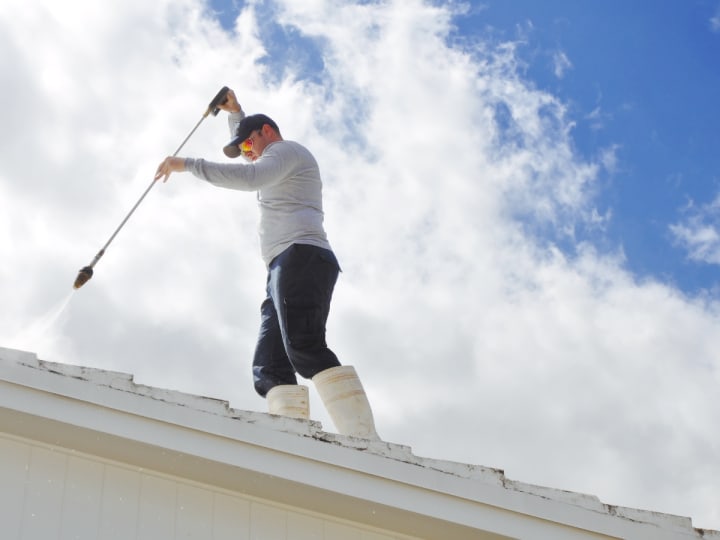
Pressure washing uses high-powered water jets to clean roofs. While effective for removing stubborn dirt, it’s not recommended for all roofing materials, as it can dislodge shingles or tiles.
3. Manual Cleaning
For smaller areas or roofs with stubborn moss, manual cleaning with a brush and mild cleaning solution can be effective. However, this is labor-intensive and may require professional assistance for safety reasons.
4. Chemical Treatments
Specialized chemical treatments can kill moss, algae, and lichen and prevent their regrowth. These treatments are often used in conjunction with soft washing for a thorough clean.
Safety Tips for Roof Cleaning
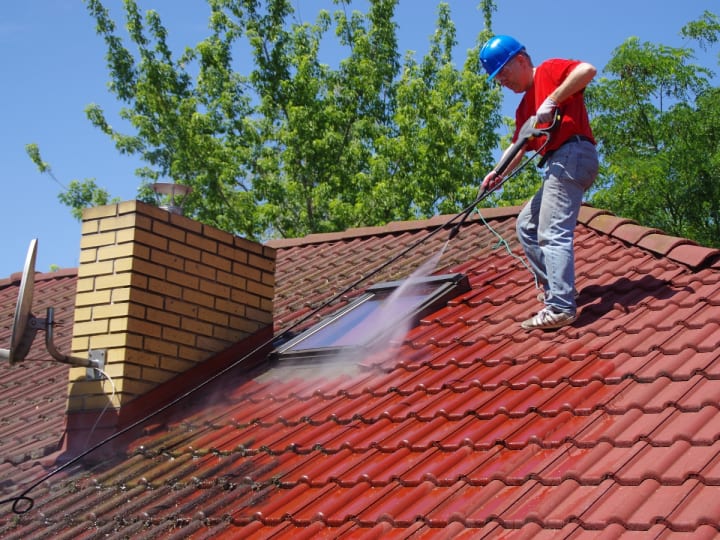
Cleaning a roof can be dangerous, so it’s important to prioritize safety.
Use Proper Equipment: Invest in a sturdy ladder, safety harness, and non-slip shoes.
Check Weather Conditions: Avoid cleaning on windy, rainy, or icy days.
Work with a Partner: Have someone hold the ladder or assist you if needed.
Hire Professionals: If you’re unsure about your ability to safely clean your roof, it’s best to hire experts.
When Should You Clean Your Roof?
The frequency of roof cleaning depends on factors like your location, climate, and the type of roofing material.
Annual Inspection: At least once a year, inspect your roof for moss, algae, and debris.
After Storms: Check your roof for damage or debris accumulation after severe weather.
Seasonal Maintenance: In areas with heavy rainfall or snowfall, clean your roof in spring and fall to prepare for extreme weather.
DIY vs. Professional Roof Cleaning
DIY Cleaning
Pros: Cost-effective, customizable to your schedule.
Cons: Requires time, effort, and proper equipment; safety risks.
Professional Cleaning
Pros: Expertise, efficiency, and access to specialized tools. Professionals often include inspections in their services, identifying potential issues before they become costly repairs.
Cons: Higher upfront cost compared to DIY cleaning.
Preventative Maintenance Tips
Trim Overhanging Branches: Reduce debris accumulation and shade, which promotes moss growth.
Install Gutter Guards: Keep leaves and debris out of gutters to prevent water pooling.
Apply Moss and Algae Treatments: Use preventative treatments to inhibit growth.
Inspect Regularly: Look for signs of damage, debris buildup, or discoloration.
Conclusion
Roof cleaning is an essential part of home maintenance, offering benefits that go beyond aesthetics. By investing in regular cleaning, you can protect your roof from damage, improve energy efficiency, and enhance your property’s value. Whether you choose to clean your roof yourself or hire professionals, the key is to remain consistent with maintenance and address issues promptly.
A well-maintained roof not only keeps your home safe and comfortable but also provides peace of mind knowing your property is in top condition. Don’t wait until problems arise—start your roof cleaning routine today!
About the Creator
New again Services
Roof cleaning is an essential part of home maintenance, offering benefits that go beyond aesthetics. By investing in regular cleaning, you can protect your roof from damage, improve energy efficiency, and enhance your property’s value.
Keep reading
More stories from writers in Families and other communities.
The Tango Connection
I suppose I've become a writer so I wouldn't bore everyone to death telling them my stories. Reading them is reading. Not the same. There's rhythm. And timing and, most importantly, drama and suspense. Unless you have tremendous magnetism and an undeniable stage presence, there's no way you can engage an audience the way you can by writing your story. That's my opinion.
By Rene Volpi 6 days ago in Beat



Comments
There are no comments for this story
Be the first to respond and start the conversation.