
Supporting Seniors’ Mental Health: The Role of Geriatric Psychiatric Services
Comprehensive Care for Cognitive Health, Emotional Well-being, and Improved Quality of Life in Older Adults

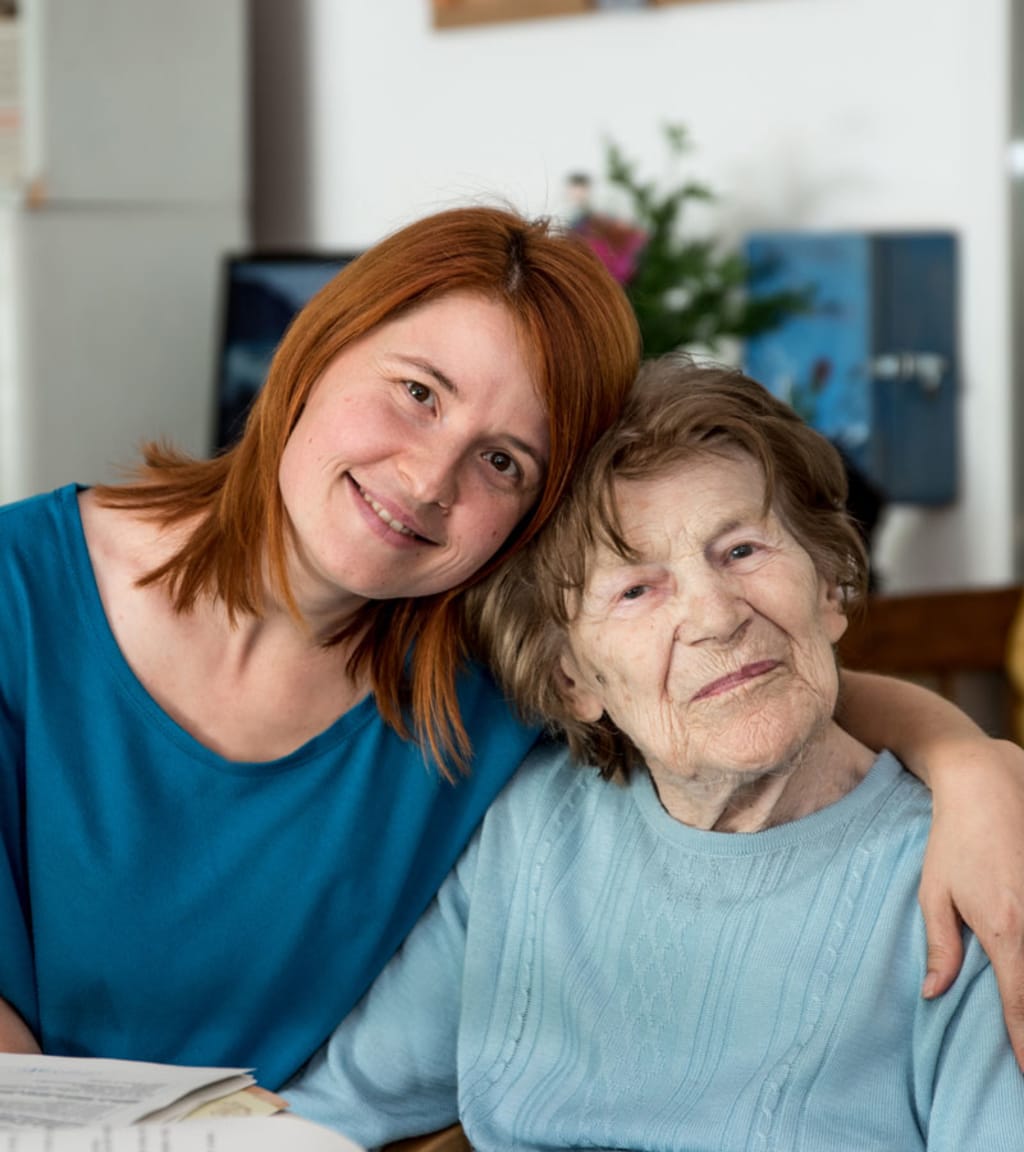
In recent years, awareness of mental health needs in older adults has grown significantly, shedding light on the unique challenges seniors face. Aging often brings complex mental health concerns such as depression, anxiety, cognitive decline, and mood disorders, all of which require specialized support. Geriatric psychiatric services focus specifically on these needs, providing seniors with the mental health care they deserve. By addressing the psychological and cognitive changes associated with aging, geriatric services empower seniors to maintain dignity, independence, and a high quality of life.
Understanding Geriatric Psychiatric Services
Geriatric psychiatric services are a branch of healthcare dedicated to diagnosing, treating, and supporting older adults with mental health concerns. These services cover a wide range of conditions, including dementia, depression, anxiety, and bipolar disorder, along with other mood and cognitive disorders. With aging comes a unique blend of physical, mental, and emotional changes, and these services ensure that seniors have the compassionate, informed care needed to address these multifaceted challenges.
Mental health concerns in older adults may arise due to several factors, including physical health decline, isolation, loss of loved ones, and cognitive changes. Geriatric services focus on providing effective treatment tailored to the individual's needs, allowing seniors to live with comfort and resilience.
Why Geriatric Mental Health Services Matter
As people age, their mental health needs can become more complex and may require specialized approaches to treatment. Geriatric health services provide precisely this kind of targeted care, helping address the root causes of mental health symptoms and promoting overall well-being. Here are some essential ways in which these services benefit seniors:
Early Diagnosis of Cognitive Decline
Early diagnosis and treatment of dementia-related disorders, such as Alzheimer’s disease, are crucial for improving long-term outcomes. By working with specialists in geriatric services, seniors and their families can better understand the changes taking place and receive support for future planning.
Management of Depression and Anxiety
Depression and anxiety are common among seniors but are often undiagnosed or untreated due to social stigma or physical health priorities. Geriatric services provide a safe space for seniors to discuss their concerns and receive therapies that improve mood, resilience, and mental outlook.
Addressing Social Isolation
Older adults may feel isolated, especially after retirement or the loss of close family and friends. This isolation can have serious mental health repercussions. Through geriatric services, seniors find social support and coping mechanisms that combat loneliness and foster social connections.
Comprehensive Care for Mood Disorders
Mood disorders, including bipolar disorder, often require specialized treatment, including medication and psychotherapy, which are adjusted to meet the needs of older adults. Geriatric health services provide balanced, compassionate care that considers the physical changes and health conditions common in seniors.
Support for Families and Caregivers
Mental health issues don’t just affect seniors—they impact families and caregivers too. Geriatric health services offer guidance for loved ones, helping them understand symptoms, communicate effectively, and develop coping strategies. This holistic approach benefits both seniors and their support networks.
How Geriatric Psychiatric Services Work
Geriatric health services typically begin with an assessment to evaluate the individual’s mental, emotional, and physical health. Mental health professionals gather insights into the senior’s medical history, cognitive status, and personal background. From there, a customized treatment plan is developed, which may include a combination of psychotherapy, medication, cognitive behavioral therapy (CBT), and lifestyle adjustments.
Common treatment goals include managing symptoms, improving cognitive function, and fostering resilience in daily life. As treatment progresses, mental health professionals continue to monitor and adjust the plan, ensuring that it remains effective and responsive to changing needs.
The Value of a Specialized Approach
Unlike general mental health services, geriatric mental health services take into account the unique challenges older adults face. For instance, seniors are often more susceptible to side effects from medications, requiring carefully monitored prescriptions. Likewise, cognitive therapy for seniors may focus more on building mental exercises and strategies that enhance memory and delay cognitive decline.
This specialized approach ensures that treatment is both safe and effective, prioritizing seniors’ comfort and promoting independence.
Promoting Mental Health and Wellness for Older Adults
Geriatric psychiatric services do more than treat symptoms—they empower seniors to live fulfilling, engaged lives. These services aim to reduce stigma around mental health care for older adults, encouraging open conversations and early intervention. With the help of trained professionals, seniors can work toward emotional and cognitive wellness, supported by therapies tailored to their unique needs.
For families, having access to geriatric health services provides a vital support system. Knowing that their loved one is receiving high-quality care and that professional resources are readily available can bring peace of mind during challenging times. Through geriatric psychiatric services, seniors and their families can approach aging with confidence, resilience, and hope.
Final Thoughts
The importance of geriatric psychiatric services in today’s healthcare landscape cannot be overstated. These services address the specific mental health needs of older adults, promoting well-being and improving quality of life. By providing compassionate, individualized care, geriatric mental health services play a crucial role in supporting seniors and their families, ensuring that aging is a journey of continued dignity and mental wellness.
About the Creator
Hearts for Dementia
Hearts For Dementia provides exceptional dementia care through a comprehensive Integrated Care Model. Our holistic approach enriches lives, tailored to the unique needs of those with dementia and their caregivers.
Keep reading
More stories from Hearts for Dementia and writers in Families and other communities.
Top Reasons Why We Need 24-Hour Home Care for Dementia Patients
Caring for a loved one with dementia is both a challenging and rewarding experience. As dementia progresses, the need for constant care and supervision becomes increasingly essential. Ensuring that your loved one remains safe, comfortable, and emotionally supported is the top priority. This is where 24-hour home care for dementia patients proves invaluable. Here, we explore the top reasons why 24-hour care is crucial for individuals living with dementia and how it can significantly enhance their quality of life.
By Hearts for Dementiaabout a year ago in Families
Wise~Guys
— Look Behind what's in Front of You ~ Make Good Choices — Hey, So how you Doin'..! Made~Men — Mobster Movies romanticise a distinctive, elegant appearance, impeccable attire style, along with the 'Families' expressive lingo. Making their 'Bones' gave them Panache — with vintage fedoras, tailored pin-striped suits, mirror-polished wing-tip shoes adorned with tassels; with their 'Gun Moll' gorgeous dates on their arms.
By Jay Kantor26 days ago in Families
Lies Have No Feet
One afternoon, Wahab Sahib went to the school grounds to pick up his son, Abuzar. He saw Abuzar chatting happily with his classmate and friend, Tauseef. Tauseef, speaking casually, asked, “Hey Abuzar! Why didn’t you come to school yesterday? We missed you.”
By Sudais Zakwan3 days ago in Families



Comments
There are no comments for this story
Be the first to respond and start the conversation.