
Supporting Our Heroes: Veterans Dementia Care Strategies
Strategies for Compassionate Care and Enhanced Quality of Life

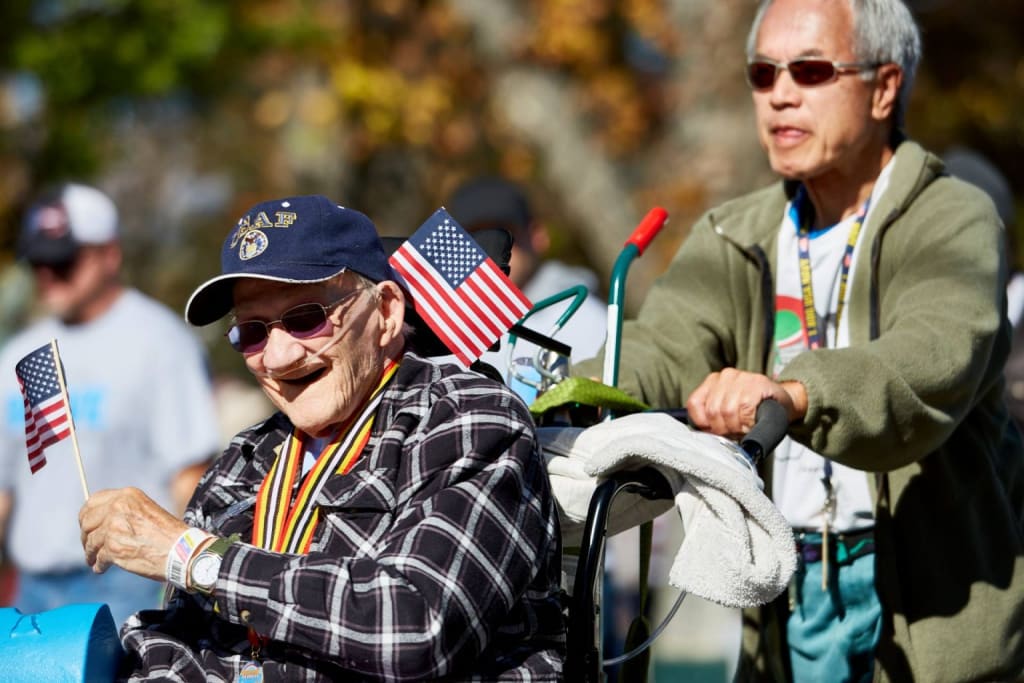
Caring for veterans with dementia presents unique challenges and responsibilities. As our aging veteran population grows, it becomes increasingly important to provide specialized care that respects their service while addressing their specific needs. This article explores the importance of veterans dementia care, highlighting key considerations and best practices for caregivers, healthcare providers, and families.
Understanding Veterans Dementia Care
Veterans dementia care involves addressing the cognitive, physical, and emotional needs of veterans who have served their country. Dementia among veterans may be influenced by factors such as combat-related stress, traumatic brain injury (TBI), and exposure to environmental hazards.
Challenges in Veterans Dementia Care
Complex Medical Histories
Many veterans have complex medical histories that include injuries sustained during service and chronic conditions developed over time. These histories can complicate dementia care in several ways:
Multiple Diagnoses: Veterans often have multiple health issues, such as cardiovascular disease, diabetes, or chronic pain, which require careful management alongside dementia.
Medication Interactions: Managing multiple medications can be challenging, especially when considering potential interactions and side effects that could impact cognitive function.
Physical Disabilities: Injuries such as limb loss or mobility issues may necessitate specialized care and equipment, adding another layer of complexity to dementia care.
Unique Trauma-Related Symptoms
Veterans are more likely to experience trauma-related mental health conditions such as PTSD, which can significantly exacerbate dementia symptoms:
PTSD and Dementia: Symptoms of PTSD, including flashbacks, hypervigilance, and severe anxiety, can intensify confusion and agitation in dementia patients, making management more difficult.
Traumatic Brain Injury (TBI): Many veterans have experienced TBIs, which can contribute to cognitive decline and complicate the presentation of dementia. TBI-related dementia may require specific therapeutic approaches and interventions.
Emotional Triggers: Veterans with PTSD may have emotional triggers related to their service, which can be reactivated by dementia-related confusion or environmental changes, requiring specialized, trauma-informed care strategies.
Access to Services
Veterans may face significant barriers in accessing the healthcare services and support systems they need:
Logistical Challenges: Geographic location can limit access to specialized dementia care facilities, especially for veterans living in rural areas.
Financial Barriers: Although many veterans are eligible for healthcare benefits through the VA, navigating these benefits can be complex and time-consuming. Out-of-pocket costs for non-VA services can also be prohibitive.
Bureaucratic Hurdles: Veterans and their families often encounter bureaucratic obstacles when trying to access benefits and services, including lengthy application processes and complex eligibility criteria. This can delay necessary care and support.
Limited Awareness: Lack of awareness about available services and benefits can prevent veterans and their families from seeking or receiving the care they need.
Addressing these challenges requires a comprehensive and coordinated approach that includes specialized assessments, personalized care plans, support for families and caregivers, and advocacy for improved access to services. By understanding and addressing these unique challenges, we can ensure that veterans with dementia receive the high-quality, compassionate care they deserve.
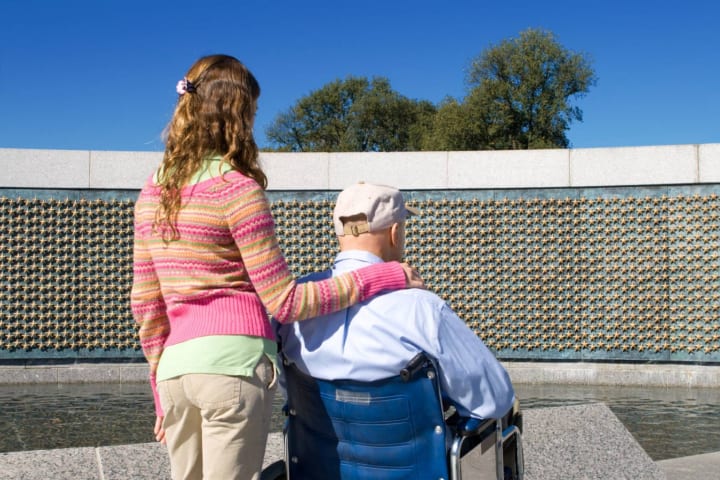
Key Components of Veterans Dementia Care
1. Specialized Assessment and Diagnosis
Combat-Related Factors: Consideration of military experiences that may impact cognitive decline.
Comprehensive Screening: Evaluating for co-occurring conditions like PTSD or TBI.
2. Tailored Treatment Plans
Multidisciplinary Approach: Involving specialists in geriatrics, neurology, psychiatry, and social work to develop personalized care plans.
Integrated Care: Coordinating medical, behavioral health, and social services to meet veterans’ holistic needs.
3. Support for Families and Caregivers
Education and Training: Providing caregivers with resources and training on managing dementia symptoms and navigating veterans’ benefits.
Respite Care: Offering temporary relief to caregivers to prevent burnout and ensure continuous quality care.
4. Accessible Resources and Services
VA Benefits: Maximizing veterans’ access to healthcare benefits, including home care, skilled nursing, and specialized dementia programs.
Community Support: Collaborating with community organizations and veteran service groups to enhance care and support networks.5. Advocacy and Awareness
Policy Initiatives: Supporting legislation and policies that prioritize veterans’ dementia care and improve access to services.
Public Education: Increasing awareness about veterans’ unique dementia care needs and the resources available to support them.
Conclusion
Veterans dementia care requires a compassionate and informed approach that recognizes the sacrifices and contributions of those who served. By implementing specialized assessment, tailored treatment plans, support for families and caregivers, accessible resources, and advocacy efforts, we can honor our veterans by ensuring they receive the highest quality of care in their journey with dementia. Together, we can provide the support and respect our veterans deserve as they navigate this challenging condition.
About the Creator
Hearts for Dementia
Hearts For Dementia provides exceptional dementia care through a comprehensive Integrated Care Model. Our holistic approach enriches lives, tailored to the unique needs of those with dementia and their caregivers.
Keep reading
More stories from Hearts for Dementia and writers in Families and other communities.
The Importance of Joining a Dementia Caregiver Support Group
Caring for a loved one with dementia is a challenging and often overwhelming journey. One of the most effective ways to navigate this path is by joining a dementia caregiver support group. These groups offer invaluable resources, emotional support, and practical advice that can significantly enhance the caregiving experience.
By Hearts for Dementia2 years ago in Families
Wise~Guys
— Look Behind what's in Front of You ~ Make Good Choices — Hey, So how you Doin'..! Made~Men — Mobster Movies romanticise a distinctive, elegant appearance, impeccable attire style, along with the 'Families' expressive lingo. Making their 'Bones' gave them Panache — with vintage fedoras, tailored pin-striped suits, mirror-polished wing-tip shoes adorned with tassels; with their 'Gun Moll' gorgeous dates on their arms.
By Jay Kantor26 days ago in Families
Blessing Platinum-Williams on Church Belonging, Family, and Accountability: Community as Sacrifice and Care
Blessing Platinum-Williams is a London-based, self-taught software developer and the creator of Tonely AI, an “auto-reflect” keyboard for iOS and Android that surfaces the likely tone and intention behind a message as you type. Tonely aims to reduce everyday digital harm by prompting users to reconsider wording that may sound blunt, passive-aggressive, or manipulative. Privacy is a core design choice: Tonely runs tone detection on-device and, per its terms and privacy policy, does not upload or store your messages. She founded Tonely AI Ltd in Britain. She also has a law degree and a therapy-informed perspective on language for everyone.
By Scott Douglas Jacobsen6 days ago in Families




Comments
There are no comments for this story
Be the first to respond and start the conversation.