
Signs Your Asbestos Roof Might Need Replacing
Asbestos roofs have been around for a while, and if yours is getting old, you might need to think about replacing it. This article talks about some things to look out for.
How to Tell If Your Asbestos Roof is Old
If your roof has been in place for many years, it may no longer be as strong or reliable as it once was. Most asbestos roofs were installed decades ago, meaning they are now approaching the end of their expected lifespan. While asbestos cement is relatively durable, it does deteriorate over time, especially when exposed to harsh weather conditions. Checking the age of your roof and keeping an eye on its condition is essential in determining when it may be time for a replacement.
Common Signs of Asbestos Roof Damage
Asbestos roofs degrade slowly, but the damage can become significant over time. There are a few key indicators that your roof may need replacing:
Cracks and Small Holes
One of the most obvious signs that your asbestos roof is deteriorating is the presence of visible cracks or holes. These can appear due to long-term exposure to the elements, natural wear and tear, or even minor impacts from debris. Cracks and holes can allow moisture to seep into the roofing material, further weakening the structure and increasing the risk of fibre release. Even if the cracks are small, they should not be ignored, as they will likely grow over time.
Sagging or Warping
A roof that appears uneven, sagging, or warped is a cause for concern. This issue often results from prolonged exposure to moisture, which weakens the asbestos cement material. A sagging roof is not only a structural risk but may also lead to water pooling, which accelerates the deterioration process. If your asbestos roof looks uneven or has noticeable dips, it could be time to consider replacement.
Water Leaks and Moisture Damage
Leaks are another common problem associated with aging asbestos roofs. If you notice water stains on your ceilings or walls, or if you find puddles in your garage after rain, this could indicate that your roof is no longer watertight. Asbestos cement sheets become more porous as they age, allowing water to seep through. Over time, this can lead to mould growth, further weakening the structure and posing additional health risks.
Discoloration and Staining
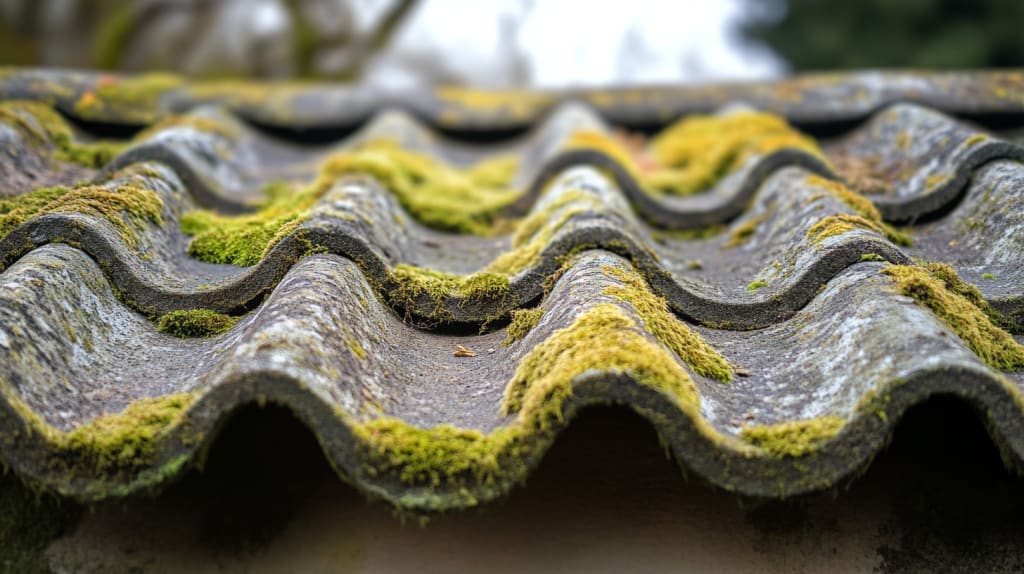
If your roof has changed colour over the years, it could be a sign that the material is deteriorating. Discoloration, rust stains, or moss growth can all indicate that moisture is being retained within the asbestos cement. This moisture can cause the material to break down, making it more friable and increasing the likelihood of asbestos fibre release. If your roof has noticeable patches of discoloration or staining, it is worth having it assessed.
Dust and Debris
Another warning sign is the presence of dust or small debris accumulating in your garage or on the ground around your property. Asbestos roofs that are breaking down may release small particles of material, which can be hazardous if inhaled. Even if you don’t see large chunks of debris, the presence of fine dust near the roof area could indicate that it is deteriorating and needs to be replaced.
Age of the Roof
The age of your roof is a crucial factor in determining whether it should be replaced. Most asbestos roofs were installed before the 1990s, and while they were designed to last for several decades, their lifespan is not indefinite. If your roof is over 20 years old, it is likely reaching the point where it should be assessed for potential replacement. Even if there are no obvious signs of damage, an old roof is more vulnerable to wear and tear and could pose an increased risk over time.
What Should You Do?
If you suspect that your asbestos roof is deteriorating, it is important to take action. Asbestos materials should never be disturbed without proper precautions, as airborne fibres can be extremely hazardous. The best course of action is to contact a professional who specializes in asbestos roof assessments and removal. A licensed expert can conduct an inspection to determine the extent of the damage and recommend whether repairs or a full replacement are necessary and how much a roof replacement might cost.
Professional inspections are especially important if you notice multiple warning signs, such as cracks, leaks, or sagging. In some cases, temporary repairs might be possible, but for severely damaged roofs, full replacement is the safest and most effective solution.
The Importance of Timely Roof Replacement
Delaying asbestos roof replacement can lead to more serious problems down the line. As the material continues to deteriorate, the risk of fibre release increases, which can pose significant health hazards. Additionally, an aging roof is more likely to develop structural weaknesses, which can result in unexpected collapses or costly repairs. By addressing the issue early, you can protect both your property and the health of those living or working in the space.
Final Thoughts
Asbestos roofs don’t last forever, and if yours is showing signs of wear, it is important to take proactive steps to address the problem. Whether you notice visible cracks, discoloration, sagging, or dust accumulation, these indicators suggest that your roof may need replacing. If you’re uncertain about its condition, seeking professional advice is the best way to ensure your property remains safe and structurally sound. Keeping your roof in good condition is essential for long-term safety and peace of mind.
About the Creator
Derek Kinds
UK based construction and demolitions consultant from Shrewsbury. I love fast cars, good food and beautiful sunsets.
Keep reading
More stories from Derek Kinds and writers in Families and other communities.
Wise~Guys
— Look Behind what's in Front of You ~ Make Good Choices — Hey, So how you Doin'..! Made~Men — Mobster Movies romanticise a distinctive, elegant appearance, impeccable attire style, along with the 'Families' expressive lingo. Making their 'Bones' gave them Panache — with vintage fedoras, tailored pin-striped suits, mirror-polished wing-tip shoes adorned with tassels; with their 'Gun Moll' gorgeous dates on their arms.
By Jay Kantor20 days ago in Families




Comments