
Scrolling into Risk: How Social Media Amplifies Teen Pressure and What Parents Can Do
The teenage brain is wired for rewards—but with social media steering the wheel, impulsive behavior and peer pressure can hit dangerous speeds.

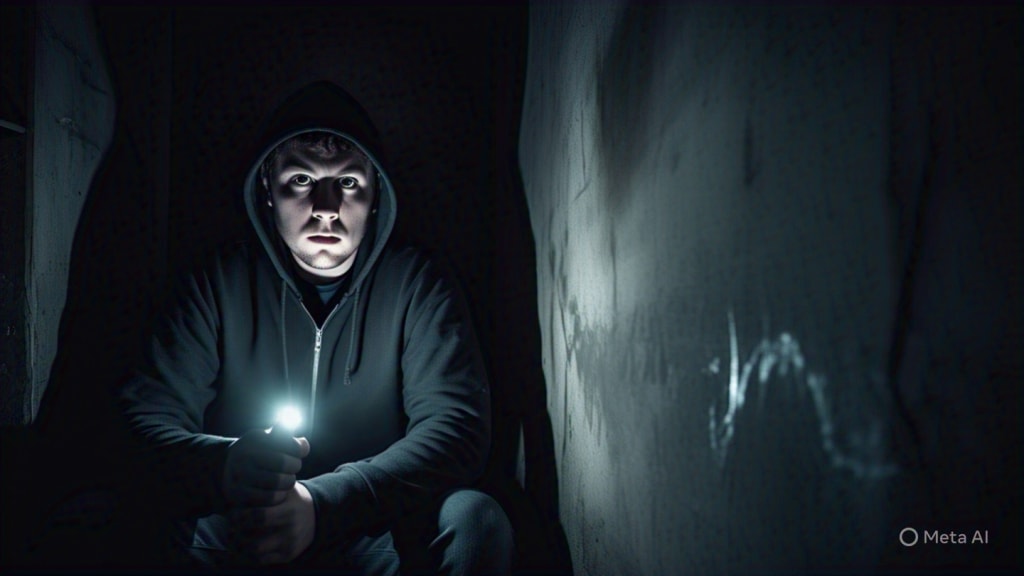
Teenagers today are growing up in a world where attention is currency, and likes are social gold. With social media just a swipe away, the influence of peers, celebrities, and viral trends can feel inescapable. Combined with a brain still under construction, this can create the perfect storm for risky behavior.
- Why teens take more risks
The teenage brain is a work in progress. While the emotional and reward-driven areas of the brain—like the amygdala and the ventral striatum—mature early, the prefrontal cortex, responsible for decision-making and impulse control, doesn’t fully develop until a person’s mid-20s. This imbalance means teens are neurologically wired to seek out what feels good—often before they pause to consider the consequences.
Research backs this up. In a 2016 study, teens were more likely to “like” images—even those showing risky behaviors like drug or alcohol use—if those images already had a high number of likes. The same study showed heightened activity in the brain’s reward centers when teens viewed popular posts. Popularity, even if linked to risky content, can light up the teenage brain like a jackpot.
- The social media multiplier
Peer pressure is nothing new, but today’s teens experience it on a scale previous generations never imagined. Teens may follow hundreds or even thousands of accounts, constantly absorbing curated lives, viral challenges, and influencer content. That volume and frequency can blur the line between inspiration and coercion.
The influence of public figures—musicians, athletes, and internet celebrities—can be particularly strong. With massive followings and high engagement, their risky behaviors, even if subtle, often seem aspirational. If an influencer glamorizes vaping or binge drinking, the ripple effect can be enormous.
- The good news? Parents can help.
Parents often feel shut out of their teen’s digital world. But connection and conversation are more powerful than control. Here are five ways parents can help their teens navigate social media safely:
1. Open the door for conversation
Ask open-ended questions like, “What’s something on TikTok that made you think recently?” or “Have you seen anything online that bothered you?” These questions invite dialogue rather than judgment. Research shows that co-viewing media with kids—then talking about it—can strengthen critical thinking and support brain development.
2. Explore what feels rewarding
Teens may not fully understand why they crave likes and attention online. Help them reflect on what feels good—and how that feeling can be met in the real world. Sports teams, clubs, or volunteering can offer social connection and identity in healthier, more lasting ways. According to this research, participation in activities like sports builds confidence, belonging, and resilience.
3. Talk about risks—honestly
Many social media posts glamorize dangerous behavior without showing the real-life consequences. A challenge might rack up millions of views, but those views don’t show emergency room visits, arrests, or trauma. Teens often know more about these trends than their parents—so ask them to explain and reflect with you.
4. Stay informed and involved
Don’t let social media become the “unknown.” Create your own accounts if you don’t have them, explore the apps your teen uses, and learn how trends work. Let your teen teach you a few things—it can boost their confidence and create shared understanding.
5. Build a family media plan
Together, draft a simple media use plan. Set screen-free times (like dinner or before bed), decide on rules for posting, and agree on check-ins about what everyone’s watching or sharing. Media isn’t the enemy—it’s a tool. When used thoughtfully, it can help teens build friendships, learn, express themselves, and find support.
Use this tool from the American Academy of Pediatrics to create your own family media plan.
Final Thoughts
Social media isn’t going away—and neither is teen curiosity. But with open communication, informed guidance, and a touch of humility, parents can help their teens build strong digital habits and avoid falling into the traps of peer pressure. Because while the teenage brain may still be developing, the foundation for safe, smart choices starts at home.
About the Creator
Abu Huraira
write daily news, moral stories, and funny moments—mixing facts, values, and humor to inform, inspire, and entertain. My goal is to connect with readers through clear, meaningful, and relatable storytelling.
Keep reading
More stories from Abu Huraira and writers in Families and other communities.
Why Do I Always Feel Like I Say the Wrong Thing?
Have you ever come home from a social event, laid down on your bed, and just cringed at something you said? Maybe it was a joke that didn’t land, a sentence that came out wrong, or something small that no one else even noticed. But for you, it plays on repeat in your mind. You feel like punching yourself or hiding from the world. If this sounds familiar, you’re not alone.
By Abu Huraira8 months ago in Confessions
Wise~Guys
— Look Behind what's in Front of You ~ Make Good Choices — Hey, So how you Doin'..! Made~Men — Mobster Movies romanticise a distinctive, elegant appearance, impeccable attire style, along with the 'Families' expressive lingo. Making their 'Bones' gave them Panache — with vintage fedoras, tailored pin-striped suits, mirror-polished wing-tip shoes adorned with tassels; with their 'Gun Moll' gorgeous dates on their arms.
By Jay Kantor21 days ago in Families
Affection and Healing for Yourself
During the night of the last quarter moon, I gathered my ritual supplies. I carefully handled the chunk of black tourmaline that would protect me from your overall negative and narcissistic energy. I carefully walked the house with my stick of selenite in hand, asking the universe to cleanse our working space.
By Alisha Wilkins ✒️🦋🖋️2 days ago in Fiction




Comments
There are no comments for this story
Be the first to respond and start the conversation.