
Saving Paradise: How the Maldives Is Leading the Charge in Sustainable Tourism
Travel Guide

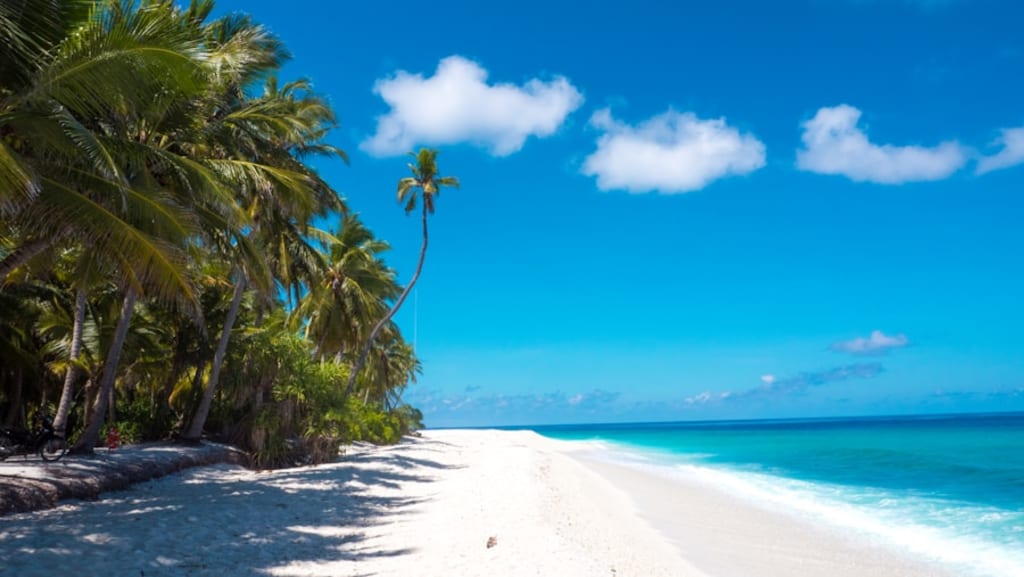
The Maldives, an archipelago of 1,192 coral islands best known for its breathtaking beaches, pristine waters, and abundant marine life, is at the forefront of sustainable tourism. But the country has serious environmental problems, mostly brought on by the effects of mass tourism and climate change. Given that the well-being of its ecosystems is inextricably linked to the prosperity of its economy, the Maldivian government has responded by pledging to promote sustainable tourism. This dedication is essential to protecting the natural beauty that draws millions of tourists there each year; it is not just a fad. In order to formally reflect this commitment, the Maldives has created a national strategy that prioritizes sustainable practices in all areas of tourism.
Implementing laws to lower carbon emissions, save marine life, and encourage environmentally friendly travel methods are all part of this. To further strengthen its sustainability initiatives, the government has also teamed up with foreign organizations. This will guarantee that the Maldives continues to be a pioneer in responsible tourism while preserving its distinctive environment for coming generations.
The Maldives has started a number of environmentally friendly projects in recent years to lessen the negative effects of tourism on the environment. One noteworthy initiative is the "Green Tax," which charges visitors a fee that goes toward funding environmental preservation initiatives. Visitors are made more conscious of the value of preserving the fragile ecosystems they enjoy thanks to this tax, which also helps fund sustainability initiatives. Many resorts have also implemented waste management programs, water conservation techniques, and the use of solar energy.
Some resorts, for example, have drastically reduced their dependency on fossil fuels by installing solar panels to power their buildings. Some have reduced waste by putting in place extensive recycling and composting programs. In addition to protecting the environment, these eco-friendly projects improve the overall experience for travelers who are looking for more environmentally friendly travel options.
The Maldives' natural beauty is one of its most precious resources, and protecting it is crucial for both economic and ecological reasons. To protect vital habitats like mangroves and coral reefs, the government created marine protected areas, or MPAs. These MPAs support biodiversity, which is vital to the well-being of the ocean ecosystem, and act as havens for marine life.
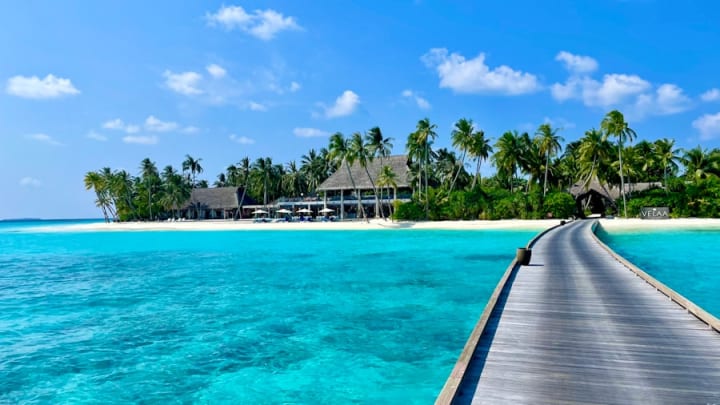
Also, conservation initiatives don't just focus on marine environments. In order to restore native vegetation on land, the Maldives has started reforestation projects. These projects improve carbon sequestration efforts while simultaneously preventing soil erosion by planting native trees and shrubs.
Ensuring that future generations can enjoy the same magnificent landscapes that have enthralled tourists for decades is the goal of protecting natural beauty, which goes beyond merely preserving aesthetics. In keeping with the nation's dedication to environmentally friendly travel, Maldivian resorts are progressively implementing sustainable practices. Numerous resorts have adopted the idea of "green resorts," which place an emphasis on environmental responsibility in all aspects of their operations. This entails utilizing locally produced building materials, putting energy-saving technologies into place, & providing organic food options that come from nearby farms. Soneva Fushi is one model resort that has won praise from all over the world for its eco-friendly efforts.
Along with a zero-waste policy that seeks to eradicate landfill contributions, the resort has a comprehensive waste management system that includes recycling and composting facilities. A marine conservation program has also been established by Soneva Fushi, which allows visitors to participate in coral planting activities and directly support the preservation of marine ecosystems while on vacation. Involving the community is essential to Maldivian sustainable tourism. Participation in tourism-related initiatives that support environmental preservation and cultural heritage is encouraged among local communities. This strategy enhances the experience of tourists by fostering genuine cross-cultural exchanges while also empowering locals.For instance, a number of resorts work with regional craftspeople to present customary crafts and culinary offerings.
Visitors can participate in workshops run by regional artisans to learn about traditional Maldivian arts and support local businesses. In addition, community-led programs like guided eco-tours give tourists the chance to discover the islands' natural splendor while learning about regional conservation initiatives. Visitors and locals have a mutually beneficial relationship that encourages a sense of shared accountability for protecting the Maldives' distinctive environment. Through aggressively promoting best practices and sharing its experiences with other countries, the Maldives has established itself as a global leader in sustainable tourism.
The Maldives promotes globally adoptable sustainable tourism policies through international conferences & collaborations with groups such as the United Nations World Tourism Organization (UNWTO).
The Maldives provides a model for other nations facing comparable issues with tourism and environmental preservation by exhibiting effective projects like eco-friendly resorts and community involvement programs. The country's dedication to sustainability not only strengthens its standing as a top travel destination, but it also encourages other countries to give ecological responsibility top priority in their travel plans. The Maldives is not an exception to the complex challenge of striking a balance between environmental preservation and tourism.
Being one of the nations most susceptible to climate change, it is crucial that the growth of tourism does not jeopardize its delicate ecosystems. The Maldivian government has put laws in place to limit development in environmentally sensitive areas because it understands this difficulty. Zoning regulations that favor sustainable land use practices and limit construction in high-risk areas are two attempts to strike a balance between these conflicting interests.
Also, continual observation of the environmental consequences of tourism guarantees that any negative effects are quickly remedied.
By emphasizing sustainable development, the Maldives hopes to reconcile its booming tourism sector with its dedication to protecting its natural heritage for future generations.
To sum up, the Maldives is a leader in sustainable tourism, showing how a country can adopt ethical standards and still receive millions of tourists annually. The Maldives sets a great example for other nations looking to strike a balance between tourism and environmental preservation with its dedication to eco-friendly projects, community service, and international leadership.
Experience paradise more from here
FAQs
What is sustainable tourism?
Sustainable tourism is a concept that aims to minimize the negative impact of tourism on the environment and local communities while promoting the conservation of natural resources and cultural heritage. It involves responsible planning and management of tourism activities to ensure long-term benefits for all involved.
How is the Maldives leading the charge in sustainable tourism?
The Maldives has been proactive in implementing sustainable tourism practices, such as promoting eco-friendly initiatives, preserving the natural beauty of its islands, and involving local communities in conservation efforts. The country has also set ambitious targets for carbon neutrality and sustainable development in its tourism sector.
What are some eco-friendly initiatives in the Maldives?
The Maldives has implemented various eco-friendly initiatives, including the development of sustainable resorts powered by renewable energy, the protection of marine and terrestrial ecosystems, and the promotion of responsible waste management and recycling programs.
How is the natural beauty of the Maldives being preserved?
The Maldives is committed to preserving its natural beauty through the establishment of marine protected areas, sustainable fishing practices, and the conservation of coral reefs and biodiversity. The government has also taken steps to minimize the impact of infrastructure development on the environment.
What sustainable practices are implemented in Maldivian resorts?
Maldivian resorts have adopted sustainable practices such as energy and water conservation, waste reduction and recycling, sustainable sourcing of food and materials, and the implementation of eco-friendly transportation options. Many resorts also engage in community outreach and environmental education programs.
How is the local community involved in sustainable tourism in the Maldives?
Local communities in the Maldives are actively involved in sustainable tourism through initiatives such as community-based tourism projects, cultural preservation efforts, and participation in conservation and environmental stewardship programs. This involvement helps to ensure that the benefits of tourism are shared with local residents.
What role does the Maldives play in setting a global example for sustainable tourism?
The Maldives serves as a global example for sustainable tourism by demonstrating how a small island nation can successfully implement eco-friendly initiatives, preserve its natural resources, and promote responsible tourism practices. The country's commitment to sustainability has garnered international recognition and serves as a model for other destinations.
How does the Maldives balance tourism and environmental conservation?
The Maldives balances tourism and environmental conservation through careful planning and regulation of tourism activities, the implementation of sustainable practices in resorts and other tourism-related businesses, and the protection of natural habitats and cultural heritage. This approach ensures that tourism development is aligned with the country's environmental and social goals.
About the Creator
Wise~Guys
— Look Behind what's in Front of You ~ Make Good Choices — Hey, So how you Doin'..! Made~Men — Mobster Movies romanticise a distinctive, elegant appearance, impeccable attire style, along with the 'Families' expressive lingo. Making their 'Bones' gave them Panache — with vintage fedoras, tailored pin-striped suits, mirror-polished wing-tip shoes adorned with tassels; with their 'Gun Moll' gorgeous dates on their arms.
By Jay Kantor18 days ago in Families




Comments
There are no comments for this story
Be the first to respond and start the conversation.