
Salicylic Acid Face Wash Guide: The First Step to Clearer Skin
Salicylic acid face wash

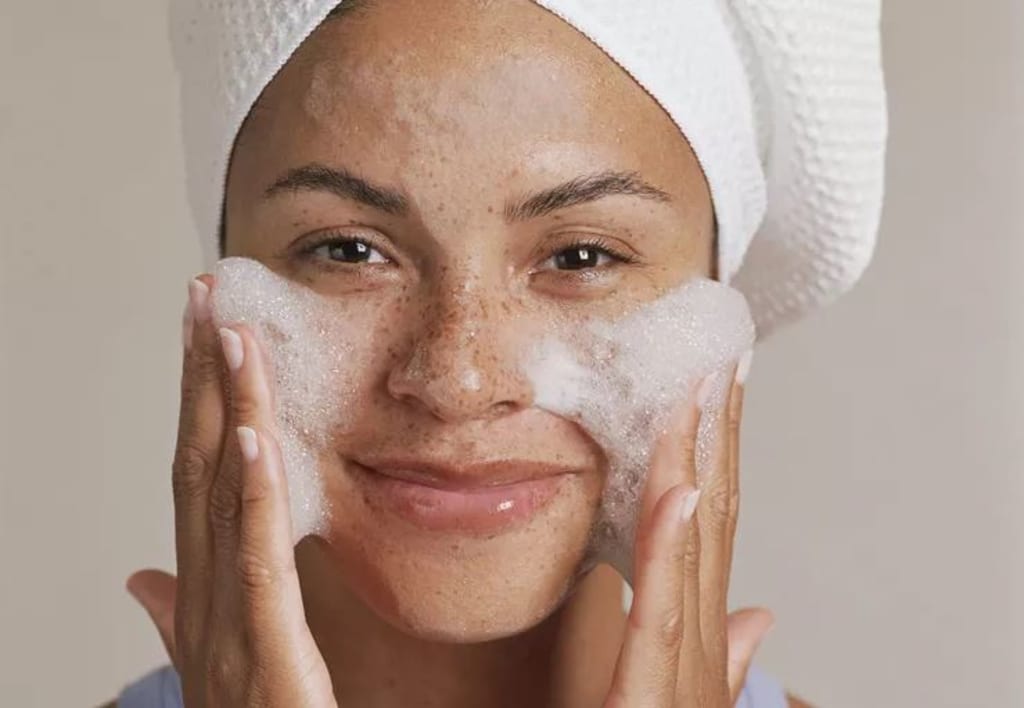
Clear, healthy skin starts with the basics—and nothing is more foundational than your face wash. If you’ve been battling acne, blackheads, or clogged pores, switching your cleanser might be the game-changer you need. A Salicylic acid face wash is increasingly being recognized as the gold standard in skincare for treating oily and acne-prone skin types. But before you add one to your cart, it’s important to understand how it works and why it might be the ideal addition to your daily routine.
What Is Salicylic Acid and Why Does Your Skin Love It?
Salicylic acid is a beta-hydroxy acid (BHA), a type of chemical exfoliant derived from willow bark. Unlike alpha-hydroxy acids (AHAs) that work on the skin’s surface, salicylic acid penetrates deep into the pores, breaking down excess sebum and dead skin cells that cause pimples and congestion. Its oil-soluble nature allows it to work more effectively for oily and acne-prone skin types.
What makes salicylic acid stand out is its ability to calm inflammation while exfoliating gently. This dual action not only treats current breakouts but also prevents new ones from forming. It’s ideal for those suffering from comedonal acne (blackheads and whiteheads), enlarged pores, and dull, uneven texture.
How to Use Salicylic Acid Face Wash the Right Way
Even though salicylic acid is powerful, using it incorrectly can lead to irritation or dryness. The key to incorporating a salicylic acid face wash into your skincare routine is to start slow and monitor how your skin reacts. Begin by using the cleanser once daily—preferably at night—to allow your skin time to adjust.
Massage the product gently onto damp skin, focusing on oilier zones like the T-zone. Avoid scrubbing harshly, and rinse thoroughly with lukewarm water. Follow with a gentle moisturizer to restore hydration. For those with sensitive skin, using it every other day might be a better approach initially.
Pro tip: Pairing your salicylic acid wash with hydrating ingredients like hyaluronic acid or ceramides can help balance out any potential dryness.
Who Should Use Salicylic Acid Face Wash?
Not everyone needs a salicylic acid face wash—but for the right skin type, it can be transformative. It’s best suited for:
Oily skin: Helps regulate sebum production and keeps shine under control.
Acne-prone skin: Clears out bacteria and debris that lead to breakouts.
Combination skin: Targets the oily areas without overdrying the rest.
Blackhead-prone skin: Deep-cleans pores to reduce and prevent blackheads.
If your skin is dry or highly sensitive, you should be cautious. Overuse can lead to flaking, redness, and a compromised skin barrier. In these cases, consult with a dermatologist before beginning a salicylic acid regimen.
What to Expect When You Start Using It
Like all effective skincare, results don’t happen overnight. When you first begin using a salicylic acid face wash, you might notice a brief period of purging—where blemishes seem to increase slightly. This is a normal part of the exfoliation process as the ingredient accelerates skin cell turnover and pushes underlying clogs to the surface.
Most people begin to see visible improvements in skin clarity, texture, and tone within 2 to 4 weeks. Continued use can lead to fewer breakouts, smoother skin, and smaller-looking pores. However, consistency is key. For best results, stick to a regular routine and avoid hopping between products too often.
Also, because salicylic acid can increase sun sensitivity, always use sunscreen during the day—even if you're indoors.
Tips for Choosing the Best Salicylic Acid Face Wash
Not all face washes are created equal. When shopping for a salicylic acid cleanser, look for products that list salicylic acid concentrations between 0.5% to 2%—this is the optimal range for effectiveness without excessive irritation.
Other tips include:
Look for non-comedogenic formulas: This ensures the product won’t clog your pores.
Avoid sulfates and harsh fragrances: These can irritate the skin and undo the benefits.
Check the pH level: Salicylic acid works best in a slightly acidic formula (pH 3–4).
Bonus ingredients: Formulas with soothing ingredients like aloe vera, niacinamide, or green tea can enhance results and minimize dryness.
If you’re dealing with stubborn acne, combining a face wash with salicylic acid and other acne-fighting treatments like benzoyl peroxide (used in separate steps, not together) may provide quicker relief—but this should be done under professional advice.
Conclusion: Start with Clean Skin, End with Confidence
Choosing a Salicylic acid face wash isn’t just about hopping on a trend—it’s about choosing a targeted, science-backed solution to one of the most common skincare concerns: clogged pores and acne. By integrating it into your daily routine, you take the first proactive step toward clearer, smoother, and more balanced skin.
While no single product can work miracles, consistency and proper usage can lead to noticeable transformations over time. So if your current cleanser isn’t cutting it, maybe it’s time for an upgrade—one that not only cleanses but actively clears and protects. The first step to better skin may just start with a single face wash.
About the Creator
Beau tera
Beautera is Pakistan's top sellers of premium beauty products, committed to helping you achieve beautiful, perfect skin. Our broad selection includes Whitening Cream.
Wise~Guys
— Look Behind what's in Front of You ~ Make Good Choices — Hey, So how you Doin'..! Made~Men — Mobster Movies romanticise a distinctive, elegant appearance, impeccable attire style, along with the 'Families' expressive lingo. Making their 'Bones' gave them Panache — with vintage fedoras, tailored pin-striped suits, mirror-polished wing-tip shoes adorned with tassels; with their 'Gun Moll' gorgeous dates on their arms.
By Jay Kantor20 days ago in Families




Comments
There are no comments for this story
Be the first to respond and start the conversation.