
Raising a Conscious Generation
A Transformative Guide to Modern Parenting

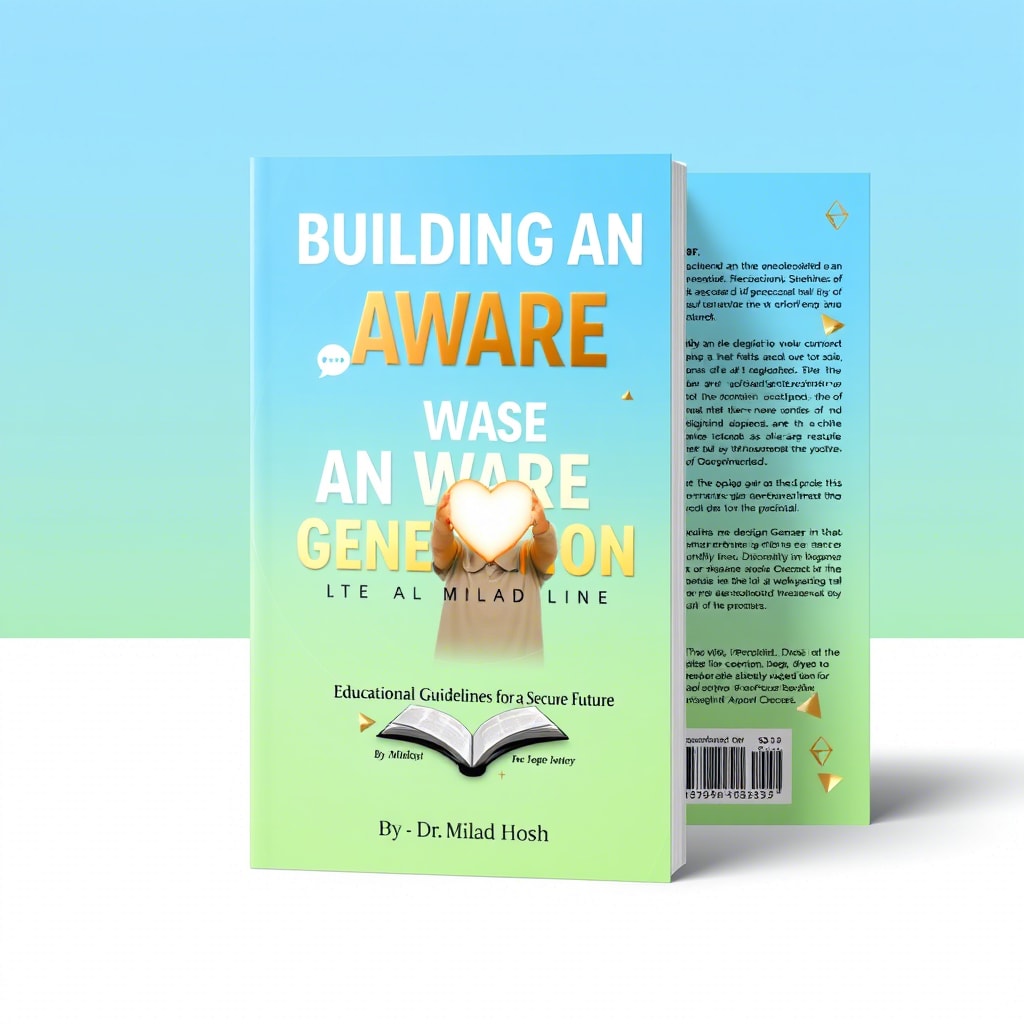
In an era defined by rapid technological advancements, shifting societal norms, and alarming increases in school violence and aggressive behavior among youth, parents are faced with unprecedented challenges. How do we raise children who not only survive but thrive in this complex world? How do we equip them with the emotional intelligence, resilience, and values necessary to navigate life’s storms while contributing positively to society? Building an Aware Generation: Educational Guidelines for a Secure Future 2025 by Dr. Milad Hosh is more than just a book—it’s a lifeline for modern parenting.
This groundbreaking work is not your typical theoretical parenting manual. Instead, it serves as a practical roadmap designed to empower parents, educators, and caregivers with actionable tools to shape emotionally intelligent, empathetic, and socially responsible individuals. The book dives deep into four core pillars of parenting—cultivating emotional intelligence, fostering effective communication, modeling positive behaviors, and protecting against harmful external influences—all of which are critical to raising a generation capable of rejecting aggression and embracing empathy.
The Power of Emotional Intelligence
One of the standout features of Building an Aware Generation is its emphasis on emotional intelligence (EQ), often described as the cornerstone of balanced personality development. Dr. Hosh argues that EQ is far more important than IQ when it comes to preparing children for real-world challenges. Why? Because understanding and managing emotions enables children to make conscious decisions, solve problems wisely, and build healthy relationships.
The first chapter provides a treasure trove of practical strategies for nurturing emotional intelligence. For instance, Dr. Hosh introduces innovative activities like “The Feelings Box,” where families can document daily situations and associated emotions, fostering self-awareness and reflection. He also emphasizes the importance of teaching children specific emotional vocabulary, such as linking facial expressions to feelings through visual charts or storytelling. Imagine a child confidently saying, “I feel frustrated because my friend took my toy without asking,” instead of resorting to hitting or screaming. This transformation begins with equipping children to express their emotions constructively—a skill they will carry throughout their lives.
But what truly sets this section apart is its focus on anger management and empathy. Through techniques like “Magic Breathing” and creating a calming corner at home, parents learn how to help their children transform impulsive reactions into reflective responses. And let’s not forget the heartwarming activity of planting kindness seeds through acts like sharing toys or offering small gestures of gratitude. These simple yet powerful exercises lay the foundation for a future free from unnecessary conflict and full of compassion.
Effective Communication: Bridging Worlds
If emotional intelligence lays the groundwork, effective communication builds the bridge between parents and children. Chapter Two tackles one of the most overlooked aspects of parenting today—the art of listening without judgment. Dr. Hosh highlights that many breakdowns in parent-child relationships stem from a lack of genuine dialogue. Children whose voices go unheard become ticking time bombs of unexpressed emotions.
Here, the author offers invaluable tips for active listening, including setting aside dedicated time each day to connect with your child, using open-ended questions to encourage deeper conversations, and avoiding immediate criticism when surprising statements arise. Picture this: Your teenager says, “I hate school!” Instead of snapping back, you respond calmly with, “You seem upset about something. Do you want to tell me what happened?” Such moments of attuned communication can strengthen trust and create a safe space for vulnerability.
Another highlight of this chapter is its guidance on discussing sensitive topics like violence and bullying. Rather than shielding children from harsh realities, Dr. Hosh encourages parents to initiate age-appropriate dialogues about these issues. By linking violent actions to real-world consequences and promoting alternative problem-solving methods, parents can instill a strong moral compass in their children.
Parents as Role Models
Perhaps the most profound insight offered in this book is the idea that children mirror what they see, not just what they hear. In Chapter Three, Dr. Hosh explores the pivotal role parents play as role models. Every action—from handling stress to resolving conflicts—shapes a child’s blueprint for interacting with the world.
This chapter delves into practical ways parents can model emotional regulation, accountability, and ethical decision-making. For example, Dr. Hosh suggests keeping a family emotion journal where everyone documents daily challenges and how they handled them. Activities like the “Kindness Jar,” where acts of goodwill are celebrated weekly, further reinforce positive values. What makes this section particularly impactful is its recognition of cultural and generational differences. Whether balancing traditional respect for elders with modern openness to dialogue or challenging outdated gender roles, Dr. Hosh provides nuanced advice tailored to diverse family dynamics.
Protecting Against External Influences
No discussion about modern parenting would be complete without addressing the pervasive influence of media, peers, and societal pressures. Chapter Four equips parents with strategies to shield their children from harmful external forces while reinforcing resilience. From co-viewing media content and discussing its implications to addressing cyberbullying and peer pressure, this section leaves no stone unturned.
One particularly compelling case study involves a 10-year-old mimicking violent video game behavior. Dr. Hosh walks readers through a step-by-step solution, starting with explaining the difference between fantasy and reality and redirecting the child’s energy toward constructive outlets like martial arts. Similarly, he addresses the damaging effects of social media’s “comparison culture” and offers tools to foster critical thinking and self-worth offline.
Why This Book Is a Must-Read
What makes Building an Aware Generation so extraordinary is its perfect blend of theory and practice. Each chapter is brimming with relatable examples, case studies, and actionable steps that transform abstract concepts into tangible results. Whether you’re struggling with a defiant toddler, navigating the turbulent teenage years, or simply seeking to deepen your connection with your child, this book has something for everyone.
Moreover, Dr. Hosh doesn’t sugarcoat the journey—he acknowledges that change takes time, patience, and flexibility. Yet, his unwavering optimism reminds us that every small effort counts. As he poignantly states, “Don’t raise your child to be the best, but to be someone who adds value to life.”
Go Viral with Awareness
Sharing this review could spark a movement. Imagine posting it on social media with a caption like:
"Is your child ready to face tomorrow’s challenges? Discover the secrets to raising an emotionally intelligent, empathetic, and resilient generation in @DrMiladHosh’s #BuildingAnAwareGeneration. Click now to transform your parenting approach!"
Encourage others to spread the word by tagging friends, sharing personal takeaways, or even organizing virtual book clubs. Together, we can inspire a ripple effect of awareness and intentional parenting worldwide.
Conclusion
In a world hungry for kindness, empathy, and leadership, Building an Aware Generation is the beacon of hope parents have been searching for. It’s not just a book; it’s a call to action—a reminder that the future starts today, in the hearts and minds of our children. If you’re ready to invest in a brighter tomorrow, grab your copy now and embark on a transformative journey. After all, the legacy we leave behind isn’t measured by wealth or achievements—it’s shaped by the values we instill in the next generation.
About the Creator
sondos azhari
Passionate about health and beauty products, I delve into wellness practices and skincare routines. With a focus on holistic living.My aim is to empower others to prioritize self-care and make informed choices for their well-being.
Keep reading
More stories from sondos azhari and writers in Families and other communities.
Trump’s Strategic Tariff Pause
In a bold policy pivot with global repercussions, former U.S. President Donald Trump announced a 90-day pause on tariffs for select countries in April 2025, excluding China, which instead faces heightened levies. This decision, reported by CNBC and Yahoo Finance, triggered a seismic shift in financial markets, with the Dow Jones, S&P 500, and Nasdaq soaring as investors cheered the prospect of reduced trade tensions. The move underscores Trump’s evolving strategy to balance domestic economic priorities with geopolitical maneuvering, offering temporary relief to allies while escalating pressure on Beijing. This article examines the nuances of the policy, its immediate market impact, and the long-term implications for global trade dynamics.
By sondos azhari11 months ago in Families
Money-Saving Baby Hacks
In the beginning, baby's can be so expensive. You need so many things like a crib, bassinet, clothes, diapers, wipes, bottles, binki's, breast pump, toys, blankets, etc. Things add up and sometime's new parent's or even veteran parent's need ways to stay in budget and make life just a tad more frugal.
By Rich Burton4 days ago in Families
Tara Beane
Tara Beane, the wife of Billy Beane, one of the most recognized figures in the world of baseball, has quietly played an important part in both his personal and professional success. While Billy Beane’s revolutionary approach to baseball management, famously depicted in Moneyball, has brought him global recognition, Tara’s role in supporting his career and maintaining the stability of their family is often understated.
By Backlinks Cart6 days ago in Families




Comments
There are no comments for this story
Be the first to respond and start the conversation.