
Positive Discipline
The Key to Effective Parenting

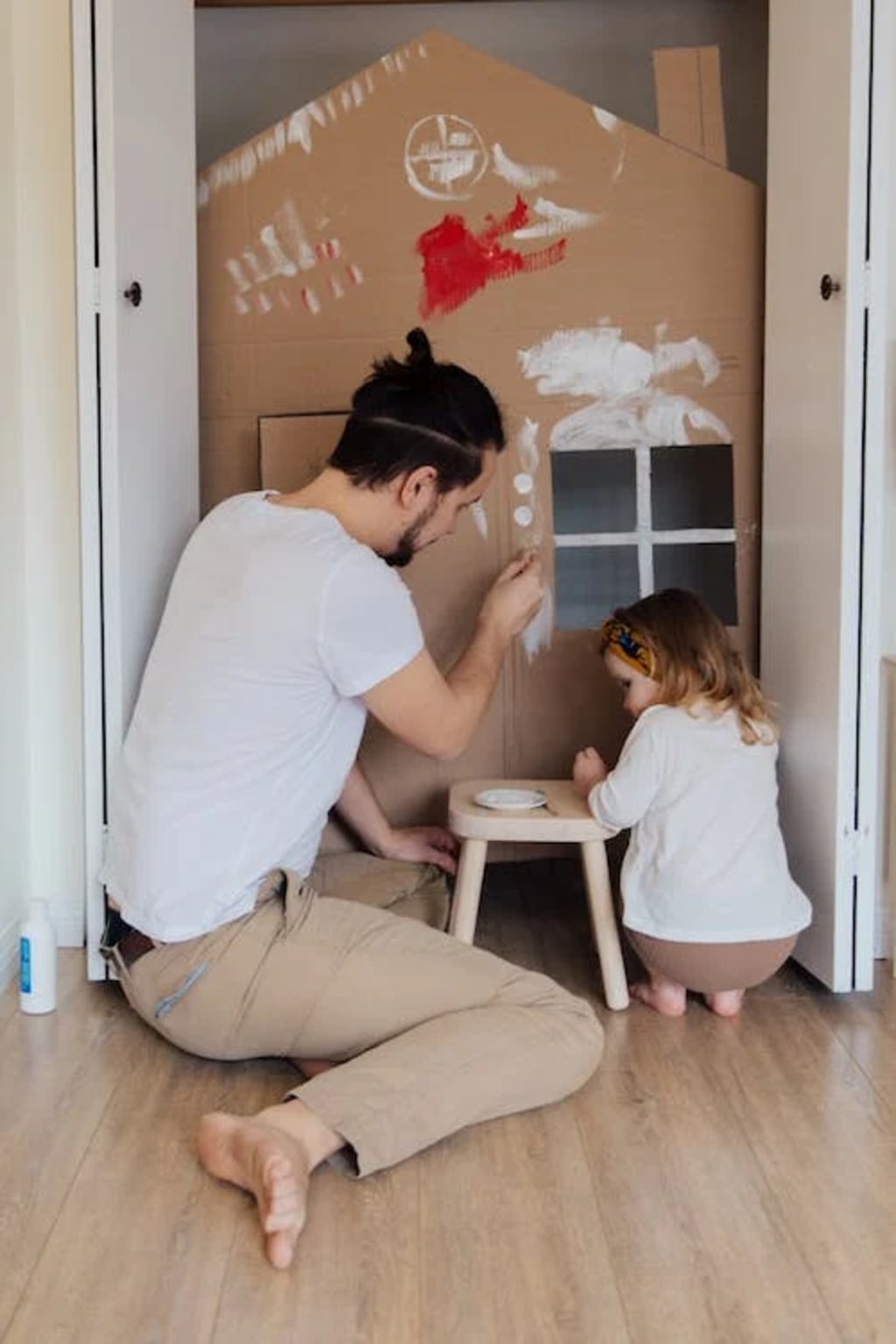
As parents, we want what's best for our children, and one of the most important things we can do for them is to provide a safe and supportive environment that fosters growth and development. One approach to achieving this is through positive discipline, which emphasizes teaching and guidance over punishment and control.
Positive discipline is based on the belief that children learn best when they feel loved and respected, and when they are taught to think for themselves and make good choices. It is an approach that focuses on building strong relationships between parents and children, while also fostering a sense of responsibility and self-discipline in children.
One of the key principles of positive discipline is the use of positive reinforcement, which involves rewarding good behavior and ignoring or redirecting negative behavior. This approach helps children learn that their actions have consequences, and that positive behavior leads to positive outcomes.
Another important aspect of positive discipline is the use of logical consequences. This means that when a child misbehaves, they are given a consequence that is directly related to their actions. For example, if a child refuses to clean up their toys, they might lose the privilege of playing with those toys for a certain period of time.
Positive discipline also involves clear communication and active listening. Parents are encouraged to talk with their children in a way that is respectful and non-judgmental, and to actively listen to their children's thoughts and feelings. This helps children feel heard and understood, and fosters open and honest communication between parents and children.
Let's look at an example of how positive discipline can be applied in a real-life scenario. Imagine you're in the grocery store with your child, and they're throwing a tantrum because you won't buy them a candy bar. Instead of yelling at them or punishing them, you can use positive discipline to help them learn from the situation.
First, take a deep breath and stay calm. Get down on their level and explain that you understand they're upset, but that candy isn't a healthy choice and it's important to make healthy choices for our bodies. Use an empathetic tone to show that you understand their feelings, and offer a healthy alternative like a piece of fruit or a small treat that you brought from home.
If your child continues to throw a tantrum, calmly explain the logical consequences of their behavior. For example, you might tell them that if they don't stop crying and yelling, you'll have to leave the store and they won't get to finish their shopping with you. This shows them that their actions have consequences, and gives them a chance to make a better choice.
As your child calms down and starts making better choices, praise them for their good behavior. Use positive reinforcement to show that you appreciate their efforts and that good behavior leads to positive outcomes. This helps them learn that making good choices can be rewarding and reinforces their sense of responsibility and self-discipline.
By using positive discipline in this scenario, you've not only diffused the immediate situation, but you've also taught your child an important lesson about making healthy choices and taking responsibility for their actions. This approach fosters a sense of love and respect between parent and child, and creates a positive and supportive environment that helps children thrive emotionally and socially.
In conclusion, using positive discipline in parenting requires patience, empathy, and a willingness to teach and guide rather than punish and control. By focusing on building strong relationships with our children, and by using positive reinforcement, logical consequences, and clear communication, we can help our children develop into happy, confident, and responsible adults who are equipped to handle life's challenges with grace and resilience.
About the Creator
Keep reading
More stories from Scorpion Attains and writers in Families and other communities.
Indian parenting
Indian Parenting: Nurturing the Next Generation Parenting is a universal experience that transcends cultures, nationalities, and ethnicities. However, the way parents raise their children varies from one country to another, depending on the social, cultural, and economic factors that shape their values and beliefs. In India, parenting is a deeply ingrained part of the culture, and the traditional values and customs continue to influence the way parents raise their children. In this article, we will explore the various aspects of Indian parenting and how they shape the next generation.
By Scorpion Attains3 years ago in Families
Wise~Guys
— Look Behind what's in Front of You ~ Make Good Choices — Hey, So how you Doin'..! Made~Men — Mobster Movies romanticise a distinctive, elegant appearance, impeccable attire style, along with the 'Families' expressive lingo. Making their 'Bones' gave them Panache — with vintage fedoras, tailored pin-striped suits, mirror-polished wing-tip shoes adorned with tassels; with their 'Gun Moll' gorgeous dates on their arms.
By Jay Kantor23 days ago in Families
📢 Raise Your Voice Thread: 01/22/2026
Our “Raise Your Voice Threads” are hosted most alternating Thursdays at 12PM ET to offer creators more avenues to uncover exceptional stories on Vocal. As we are continuously searching for fresh creators and inspiring stories, this thread provides an opportunity to exchange and discuss the stories that have moved and motivated us on Vocal.
By Raise Your Voice by Vocal2 days ago in Resources




Comments
There are no comments for this story
Be the first to respond and start the conversation.