
Plumbing Maintenance
How to Prevent Common Issues and Ensure Efficient Water
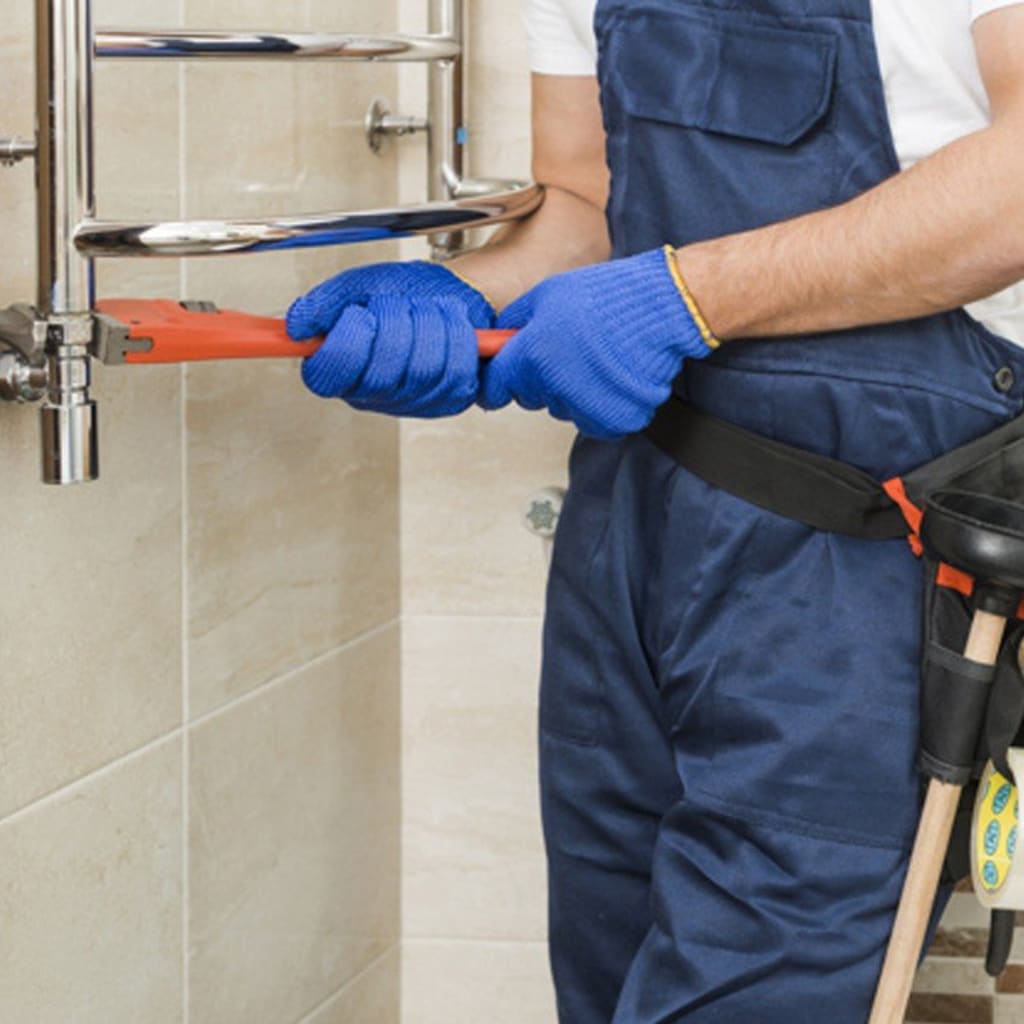
A well-maintained plumbing system is essential for a functional and comfortable home. Regular plumbing maintenance not only prevents common issues but also ensures efficient water flow, saving you money on repairs and conserving water. In this article, we will provide valuable tips and insights on how to maintain your plumbing system and prevent common plumbing problems.
Inspect for Leaks: Regularly inspect your plumbing system for leaks. Check faucets, pipes, and water supply lines for any signs of leakage, such as water stains, drips, or puddles. Addressing leaks promptly can prevent further damage and water wastage.
Clear Clogged Drains: Prevent clogged drains by being mindful of what goes down the sink and shower drains. Avoid pouring grease, oil, or coffee grounds down the kitchen sink, and use drain screens to catch hair and other debris in the bathroom. Regularly flush drains with hot water or a mixture of baking soda and vinegar to keep them clear.
Maintain Water Pressure: Monitor and maintain proper water pressure in your plumbing system. High water pressure can cause stress on pipes and fixtures, leading to leaks and other issues. Consider installing a pressure regulator if your water pressure exceeds the recommended range.
Protect Pipes from Freezing: In colder climates, protect your pipes from freezing by insulating exposed pipes, especially in attics, basements, and crawl spaces. Disconnect and drain outdoor hoses before winter and consider using heat tape or pipe insulation to prevent freezing and bursting.
Perform Regular Water Heater Maintenance: Maintain your water heater to ensure its efficiency and longevity. Drain and flush the tank annually to remove sediment buildup, which can affect its performance. Check the temperature and pressure relief valve for proper operation and insulate the tank to improve energy efficiency.
Test and Maintain Toilet Functionality: Regularly test the functionality of your toilets to avoid costly and messy leaks or clogs. Check for any signs of running water, a wobbly toilet base, or slow flushing. Replace any worn-out or faulty parts promptly, such as flappers or fill valves.
Avoid Chemical Drain Cleaners: Instead of relying on chemical drain cleaners, consider using natural alternatives or mechanical methods to clear clogs. Chemical cleaners can corrode pipes and cause long-term damage. Use a plunger or a drain snake for minor clogs, or consult a professional plumber for persistent or severe blockages.
Schedule Professional Inspections: Periodically schedule professional plumbing inspections to catch potential issues early on. A licensed plumber can identify hidden leaks, assess the overall condition of your plumbing system, and provide maintenance recommendations to prevent major problems in the future.
Educate Household Members: Educate everyone in your household about proper plumbing practices. Teach family members to avoid flushing non-flushable items down toilets, to be mindful of water usage, and to report any plumbing issues promptly. Simple awareness and good habits can go a long way in maintaining a healthy plumbing system.
Regular plumbing maintenance is essential for preventing common issues and ensuring efficient water flow in your home. By inspecting for leaks, clearing clogged drains, maintaining proper water pressure, protecting pipes from freezing, performing water heater maintenance, testing toilet functionality, avoiding chemical drain cleaners, scheduling professional inspections, and promoting good plumbing practices, you can keep your plumbing system in excellent condition. Remember, prevention is key, and a little maintenance effort can save you from costly repairs and ensure a reliable and efficient plumbing system for years to come.
About the Creator
Keep reading
More stories from Luna Blake and writers in Families and other communities.
Furniture Buying Guide
Selecting furniture for your home is an exciting yet challenging task. The right furniture can transform your space, enhance comfort, and reflect your personal style. However, with countless options available, it's essential to approach furniture buying with careful consideration. In this article, we will provide a comprehensive furniture buying guide to help you choose the perfect pieces for your home.
By Luna Blake3 years ago in Families
Family Struggles
Growing up in a household filled with constant tension, I often found myself grappling with family struggles that deeply affected my emotional well-being. My parents’ arguments, whether over trivial matters or deeper issues, created an environment where peace felt out of reach. As a child, I didn’t understand why love and conflict were so closely tied and why tranquility was always interrupted by discord.
By Gowhar ali Khan2 days ago in Families
Professor Carlton Jama Adams and the Architecture of Intentional Parenting
Modern parenting exists at the intersection of tradition and transformation. Families today are navigating rapid cultural shifts, digital immersion, evolving educational expectations, and growing awareness around mental and emotional health. In the middle of these changes, many parents are searching for guidance that feels grounded, practical, and human. The ideas often associated with Professor Carlton Jama Adams speak to this moment by emphasizing that raising resilient children begins with intentional daily choices rather than rigid formulas or perfection.
By Carlton Adams3 days ago in Families




Comments
There are no comments for this story
Be the first to respond and start the conversation.