
Palliative Care in Belgium: Support, Dignity and Access for All
Palliative Care in Belgium
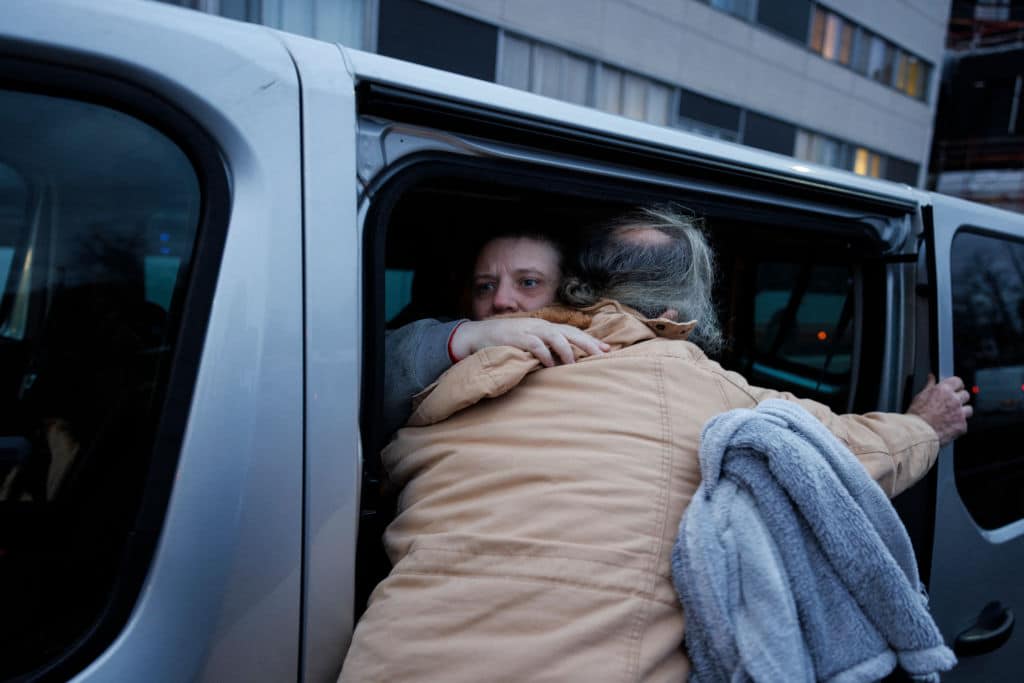
In Belgium, palliative care goes far beyond just managing physical symptoms. It is a system built on compassion, respect, and quality of life for people facing serious, incurable illnesses. From physical relief to psychological, social and spiritual support, the country has created a comprehensive network that helps patients and their families navigate one of life’s most challenging journeys. This article explores how palliative care works in Belgium, who is eligible, what services are offered, and how it connects to the country’s unique approach to end-of-life decisions.
What Is Palliative Care?
Palliative care is a type of specialized care focused on improving the well-being of individuals diagnosed with incurable diseases. Its aim is not to cure, but to reduce suffering and ensure dignity. In Belgium, it can be provided from early stages of illness, either in hospitals, hospices or directly at home.
Some of the key goals of palliative care in Belgium include:
- Effective management of pain, fatigue, shortness of breath, nausea, and other distressing symptoms.
- Mental health support, including counseling for anxiety, depression or fear of dying.
- Assistance with spiritual or existential questions, often through trained chaplains or counselors.
- Guidance and training for families, helping them cope and provide care with confidence.
- Informed decision-making about treatment options and levels of intervention.
- Respecting patients' wishes about where and how they want to receive care.
- Ensuring a peaceful and humane end-of-life experience, with minimal suffering.
Palliative care is not about giving up. It’s about choosing a path of care that prioritizes comfort, autonomy, and human connection. Importantly, in Belgium, this type of care is widely recognized as part of the public health system and is accessible to all who need it.
Source: Palliative care in Belgium
How the System Works in Belgium
Belgium’s model is decentralized but coordinated. Care is provided through a blend of government institutions, nonprofit groups and local services. It’s available in hospitals, outpatient facilities, nursing homes, and people’s own homes.
Here’s how the palliative care structure operates:
- Hospital-based palliative care teams work in specialized departments, offering a full range of services including medication, psychological support and comfort measures.
- Home-based care allows patients to remain near their families. Nurses and doctors visit regularly to monitor health and provide medications and guidance.
- Mobile teams (équipes mobiles) work across institutions, bringing specialists to where they are needed — whether it’s a hospital or someone’s living room.
- Outpatient palliative clinics are often used when a person is still active and wishes to maintain their normal routines while receiving support.
- Government programs ensure that most services are either fully or partially reimbursed. A general practitioner or social worker usually initiates the care plan.
- Nonprofits and local associations play a vital role, especially in offering spiritual support, volunteers, and organizing transportation or day activities.
- Each region — Flanders, Wallonia and Brussels — manages its own palliative care services under national standards and medical guidelines.
Belgium’s system offers flexible solutions tailored to individual preferences. Patients and families can opt for home care, inpatient support, or combine both depending on medical needs.
Who Can Receive Palliative Care?
Belgium does not limit palliative care to terminal cancer patients — though they form a large proportion of recipients. The country also extends this service to:
- People with degenerative neurological conditions such as dementia or ALS.
- Patients suffering from chronic heart, kidney or lung conditions that cause long-term deterioration.
- Children with life-limiting illnesses or severe congenital conditions.
- People with severe mental health disorders when these cause loss of function or require constant care.
- Individuals of all ages, including infants and the elderly, provided they have a medically recognized need.
The legal foundation is Article 57 of the 2002 Health Care Law, which guarantees access to palliative services for anyone living with a serious or life-threatening illness. There are no restrictions based on age, origin or income — and foreigners can access care as well, under certain conditions.
Source: Who qualifies for palliative care in Belgium
Relationship Between Palliative Care and Euthanasia
Belgium is one of the few countries in the world where both palliative care and euthanasia are legally available. The law permits euthanasia under strict conditions — primarily when a patient is in unbearable physical or psychological suffering due to an incurable condition, and has made a repeated, voluntary, and well-informed request.
Important aspects of this legislation:
- Euthanasia requests must be written, signed, and confirmed over time.
- A second independent physician must review the case.
- Euthanasia is never carried out immediately — the process includes checks, delays, and consultations.
- Patients can withdraw their request at any time.
- For some psychiatric or neurological cases, additional safeguards apply.
Palliative care remains essential even for those considering euthanasia. Many patients change their minds when effective palliative support is in place. Belgian law encourages both options to be discussed respectfully and clearly, with full transparency.
How It’s Funded
Belgium provides palliative care through a mix of:
- Public funding: National health insurance covers most services, particularly home care and hospital stays.
- Mandatory health insurance: Every Belgian resident is enrolled in a public mutualité or insurance fund, which reimburses most palliative services.
- Private health insurance: This may be needed for non-residents or for extended services in private facilities.
- Regional and municipal programs: Some areas offer extra subsidies for low-income families.
- NGO support: Charities often help fund transport, companionship, or home visits.
- Volunteer networks: A significant portion of care — especially social or spiritual support — is provided by trained volunteers.
While coverage is generous, shortages in trained professionals or hospice beds can occur, particularly in high-density urban areas. That’s why early planning and timely referral are crucial.
Role of Family and Volunteers
Relatives and caregivers are integral to palliative care in Belgium. Often, they are the ones providing day-to-day help, offering emotional comfort, and maintaining the patient’s connection to life outside the illness.
Key aspects of their involvement:
- Families are trained to administer medication, manage symptoms, and communicate with healthcare providers.
- Psychological and emotional support is available not just for patients, but for caregivers as well.
- Volunteers often take over for a few hours to give family members a rest — this is known as respite care.
- Local services provide caregiver support programs that include therapy, education and financial compensation.
Belgium recognizes the emotional toll on caregivers. That’s why the system includes not only practical tools but emotional scaffolding to prevent burnout and preserve family wellbeing.
How to Access Palliative Care
If you or someone you care about needs palliative care in Belgium, here’s how to begin:
- Talk to your GP or hospital doctor. They will assess eligibility and prepare the referral.
- Choose the type of care. Depending on your condition, care can be delivered at home, in a hospital, or both.
- Gather documentation. A medical diagnosis is required, along with insurance information.
- Register with your mutualité. Most health insurers in Belgium will process your reimbursement claims automatically.
- Contact a local palliative network. They will assign a coordinator or team to manage your case.
- If you’re a foreigner or migrant, you may be eligible for coverage depending on your status. It’s advised to speak with a hospital social worker or local public health office.
Palliative care in Belgium is designed to be inclusive, compassionate, and human-centered. Whether through home visits, hospital support or community volunteers, the goal is the same: to help people live well, even in the face of serious illness, and to die with dignity when the time comes.
About the Creator
Keep reading
More stories from Ретро Мания and writers in Families and other communities.
Camping in Budva: A Guide to Budget-Friendly and Comfortable Beachside Living
Budva, located on the stunning Montenegrin coast, is a popular destination for tourists looking for a mix of relaxation, adventure, and natural beauty. While the town is famous for its lively atmosphere, bustling streets, and high-end resorts, camping in Budva is an increasingly popular choice for travelers looking to enjoy the coast on a budget. With its warm Mediterranean climate, pristine beaches, and beautiful landscapes, Budva offers the perfect setting for a camping getaway. This guide will explore everything you need to know about camping in Budva, from the best campsites to what you can expect during your stay.
By Ретро Мания10 months ago in Families
A Transparent Look at Vocal Challenges and Top Stories
Almost three years ago, we shared a resource article that served as a place for people to suggest new challenge prompts. We thought it would be a good idea to refresh that thread, and take the opportunity to answer a few common questions about top stories, how challenges are judged and how submissions are reviewed.
By Vocal Curation Team4 days ago in Resources




Comments
There are no comments for this story
Be the first to respond and start the conversation.