
Omega-3 Fatty Acids
The Ultimate Guide to Benefits, Sources, and Optimal Health
Best Omega3 Product Now on Amazon
Introduction
Omega-3 fatty acids are essential nutrients that play a transformative role in human health. From boosting brain function to protecting your heart, these polyunsaturated fats are vital for nearly every system in your body. However, since the body can’t produce them on its own, they must come from your diet or supplements. In this comprehensive guide, we’ll dive deep into the science-backed benefits of omega-3s, explore the best food sources, and provide actionable tips to help you optimize your intake. Whether you’re a seafood lover, a plant-based eater, or someone considering supplements, this article will equip you with everything you need to harness the power of omega-3s.
What Are Omega-3 Fatty Acids?
Omega-3s are a type of polyunsaturated fat (PUFA) that serve as building blocks for cell membranes, hormones, and other critical bodily processes. They’re classified into three main types:
EPA (Eicosapentaenoic Acid): Found primarily in fatty fish, EPA supports heart health and reduces inflammation.
DHA (Docosahexaenoic Acid): Crucial for brain development and eye health, DHA is also abundant in seafood.
ALA (Alpha-Linolenic Acid): A plant-based omega-3 found in flaxseeds, chia seeds, and walnuts. While ALA can convert to EPA and DHA, the process is inefficient (only 5–10% conversion rate), making direct intake of EPA/DHA essential.
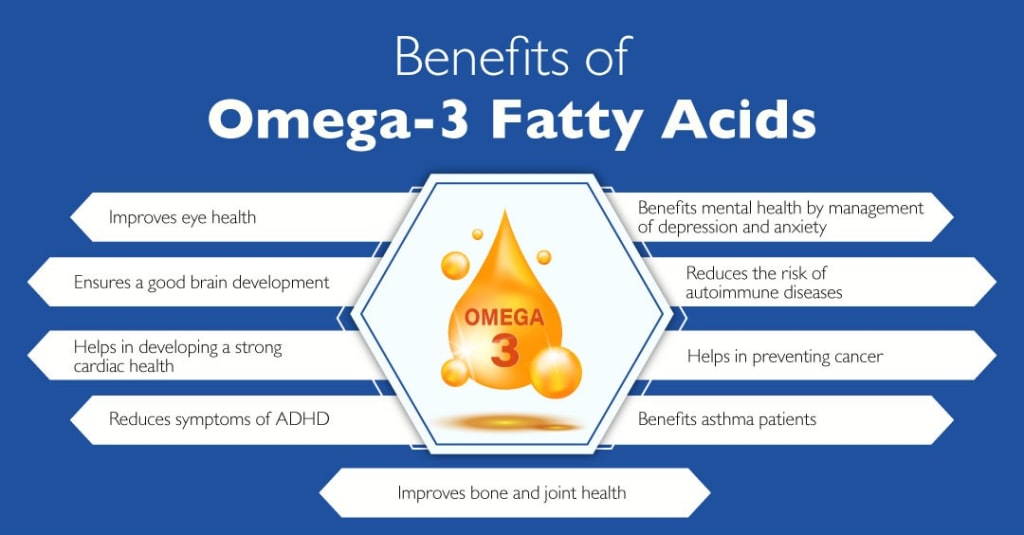
Top Health Benefits of Omega-3 Fatty Acids
1. Supercharge Heart Health
Omega-3s are renowned for their cardiovascular benefits:
Lower Triglycerides: Studies show that 2–4 grams of EPA/DHA daily can reduce triglyceride levels by 25–30%.
Reduce Blood Pressure: Regular consumption improves blood flow and lowers hypertension risk.
Prevent Plaque Buildup: EPA/DHA reduce arterial inflammation, decreasing the likelihood of heart attacks.
Tip: Aim for 850 mg of combined EPA/DHA daily, paired with 300 mg of vitamin E for enhanced absorption.
2. Boost Brain Function and Mental Health
DHA makes up 40% of the brain’s fatty acids. Benefits include:
Enhanced Memory: Higher DHA intake is linked to slower cognitive decline in older adults.
Mood Regulation: Omega-3s may alleviate symptoms of depression and anxiety.
Fetal Development: Pregnant women with adequate DHA intake support their baby’s brain and vision growth.
3. Combat Inflammation and Joint Pain
Omega-3s reduce inflammatory markers like C-reactive protein (CRP), offering relief for conditions like rheumatoid arthritis. A 2020 study found that 3 grams of fish oil daily reduced joint pain by 30% in arthritis patients.
4. Protect Vision
DHA is a structural component of the retina. Diets rich in omega-3s lower the risk of age-related macular degeneration (AMD), a leading cause of blindness.
5. Manage Diabetes and Metabolic Health
Omega-3s improve insulin sensitivity and reduce inflammation in type 2 diabetes patients. However, consult a doctor before using supplements, as high doses may affect blood sugar levels.
Best Omega3 Product Now on Amazon
Best Food Sources of Omega-3s
Marine-Based Sources (EPA/DHA)
Salmon (Wild-Caught): 1,500–2,000 mg per 3 oz serving.
Mackerel: 4,000 mg per 3 oz serving (highest source!).
Sardines: 1,200 mg per 3 oz.
Cod Liver Oil: 2,800 mg per tablespoon.
Pro Tip: Opt for smaller fish like sardines or anchovies to minimize mercury exposure.
Plant-Based Sources (ALA)
Flaxseeds: 2,350 mg per tablespoon (ground).
Chia Seeds: 5,000 mg per ounce.
Walnuts: 2,570 mg per ounce.
Hemp Seeds: 1,000 mg per tablespoon.
Note: Pair plant-based ALA with vitamin C-rich foods (e.g., citrus fruits) to slightly improve conversion to EPA/DHA.
Omega-3 Supplements: A Step-by-Step Guide
Choosing the Right Supplement
Fish Oil: Look for brands with 1,000–2,000 mg of combined EPA/DHA per serving. Check for third-party testing (e.g., IFOS certification) to ensure purity.
Algal Oil: Vegan-friendly and rich in DHA/EPA. Brands like Nordic Naturals and Ovega-3 offer 500–600 mg per capsule.
Krill Oil: Contains astaxanthin, a potent antioxidant.
Dosage Recommendations
General Health: 500–1,000 mg EPA/DHA daily.
Heart Health: 1,000–2,000 mg EPA/DHA daily.
Pregnancy: 200–300 mg DHA daily.
Tip: Take supplements with meals to enhance absorption and reduce fishy aftertaste.
Bioavailability Tips
Liquid Over Pills: Liquid fish oil absorbs better than capsules.
Pair with Fat: Consume omega-3s with avocado or olive oil to boost uptake.
Key Considerations for Supplement Users
Test Your Levels: A simple blood test (Omega-3 Index) can reveal deficiencies. Aim for an index of 8% or higher.
Watch for Interactions: Omega-3s may thin the blood; consult a doctor if taking anticoagulants like Warfarin.
Sustainability Matters: Choose supplements certified by Friend of the Sea or MSC to support ethical fishing.
7 Practical Tips to Boost Omega-3 Intake
Add Flaxseed to Smoothies: Blend 1 tbsp ground flaxseed into your morning drink.
Snack on Walnuts: A handful provides 90% of your daily ALA needs.
Try Sardine Toast: Mash sardines with avocado on whole-grain bread.
Cook with Algal Oil: Use it in dressings for a vegan DHA boost.
Grill Salmon Weekly: Aim for two 3.5-oz servings of fatty fish weekly.
Fortified Foods: Opt for omega-3-enriched eggs, milk, or bread.
Supplement Smartly: Set a daily alarm to take your fish or algal oil.
Best Omega3 Product Now on Amazon
FAQs: Your Omega-3 Questions Answered
Q: C
hout fish?
A: Yes! Algal oil supplements provide direct DHA/EPA. Combine with ALA-rich foods like chia seeds for best results.
Q: Are omega-3s safe during pregnancy?
A: Absolutely. DHA is critical for fetal brain development — aim for 200–300 mg daily from low-mercury fish or supplements.
Q: How long until I see benefits?
A: Heart and brain benefits may take 8–12 weeks. Consistency is key!
Conclusion
Omega-3 fatty acids are non-negotiable for lifelong health. By prioritizing fatty fish, plant-based ALA sources, or high-quality supplements, you can safeguard your heart, sharpen your mind, and reduce inflammation. Remember to test your levels, consult a healthcare provider, and tailor your intake to your lifestyle. With the strategies in this guide, you’re empowered to make omega-3s a cornerstone of your wellness journey.
Ranking Keywords: Omega-3 benefits, best omega-3 sources, fish oil supplements, vegan omega-3, heart health, DHA for brain.
Meta Description: Discover the science-backed benefits of omega-3 fatty acids, top food sources, and supplement tips. Boost heart, brain, and joint health with this ultimate guide!
About the Creator
Keep reading
More stories from fekratanya and writers in Families and other communities.
Hydra (Greek Mythology)
The Tale of Heracles and the Hydra: A Battle in the Moonlit Marsh On a quiet, mist-filled night, under the watchful gaze of a pale moon, something ancient stirred beneath the dark waters of Lake Lerna. The surface rippled as a monstrous figure began to rise — the Hydra, a terrifying serpent-like beast with multiple heads, each one hissing and dripping with water as it emerged from the depths. The marshes surrounding the lake lay still, as though nature itself held its breath in fear of the creature's power. Towering over the land, the Hydra stood, a creature of nightmares, ready to unleash chaos upon any who dared approach.
By fekratanyaabout a year ago in Fiction
Wise~Guys
— Look Behind what's in Front of You ~ Make Good Choices — Hey, So how you Doin'..! Made~Men — Mobster Movies romanticise a distinctive, elegant appearance, impeccable attire style, along with the 'Families' expressive lingo. Making their 'Bones' gave them Panache — with vintage fedoras, tailored pin-striped suits, mirror-polished wing-tip shoes adorned with tassels; with their 'Gun Moll' gorgeous dates on their arms.
By Jay Kantor24 days ago in Families
Affection and Healing for Yourself
During the night of the last quarter moon, I gathered my ritual supplies. I carefully handled the chunk of black tourmaline that would protect me from your overall negative and narcissistic energy. I carefully walked the house with my stick of selenite in hand, asking the universe to cleanse our working space.
By Alisha Wilkins ✒️🦋🖋️5 days ago in Fiction




Comments
There are no comments for this story
Be the first to respond and start the conversation.