
Nourishing Your Bump: The Ultimate Pregnancy Diet Secrets Guide
From Folic Acid to Hydration, Learn How to Keep You and Your Baby Healthy and Happy

Pregnancy is a special time for any woman, but it also comes with its own set of challenges, including the need to ensure that you are consuming the right nutrients to keep both you and your growing baby healthy. A healthy pregnancy diet is important for the development of your baby and can help you avoid complications during pregnancy, such as gestational diabetes and high blood pressure. In this article, we'll cover some pregnancy diet secrets to help you stay healthy and nourished throughout your pregnancy.
1. Eat a balanced diet
A balanced diet is essential for a healthy pregnancy. You should aim to eat a variety of foods from all the different food groups, including fruits, vegetables, whole grains, lean proteins, and healthy fats. You don't need to eat for two; rather, you need to eat a little extra to support the growth and development of your baby. Your healthcare provider can give you specific guidance on how much weight you should aim to gain during your pregnancy.
2.Get enough folic acid
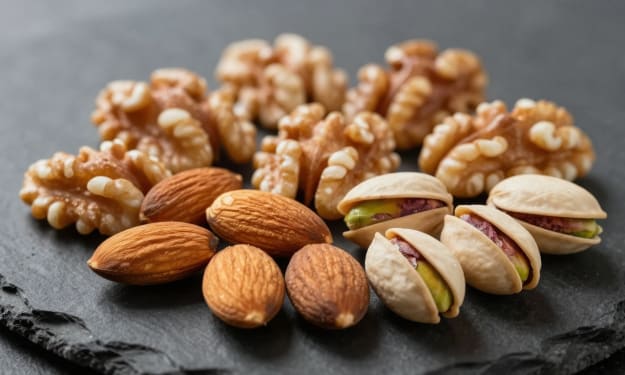
Folic acid is an essential nutrient for the development of your baby's brain and spinal cord. You should start taking folic acid supplements before you even conceive, and continue taking them throughout your pregnancy. Foods rich in folic acid include leafy green vegetables, nuts, beans, and citrus fruits.
3.Stay hydrated
Staying hydrated is important during pregnancy, as it can help prevent constipation, reduce the risk of urinary tract infections, and even prevent preterm labor. You should aim to drink at least 8-10 glasses of water per day, and more if you are exercising or in a hot environment.
4.Avoid certain foods
There are certain foods that you should avoid during pregnancy, as they can increase your risk of foodborne illnesses or harm your baby's development. These include raw or undercooked meats, fish with high levels of mercury, unpasteurized dairy products, and certain types of fish.
5.Listen to your body
Your body will give you signals about what it needs during pregnancy. Pay attention to your cravings and aversions, and try to incorporate the foods that your body is asking for into your diet. You may find that you need to eat smaller, more frequent meals to avoid nausea and heartburn.
6.Don't skip meals
Skipping meals during pregnancy can lead to low blood sugar, which can make you feel dizzy, weak, and nauseated. It can also deprive your baby of the nutrients it needs for growth and development. Try to eat small, frequent meals throughout the day to keep your blood sugar stable.
7.Get enough protein
Protein is important for the growth and development of your baby's organs, muscles, and tissues. Aim to get at least 70 grams of protein per day from sources such as lean meats, fish, eggs, dairy products, nuts, and beans.
8.Take it easy on the caffeine
While moderate caffeine intake is generally considered safe during pregnancy, high levels of caffeine have been linked to miscarriage and low birth weight. You should aim to limit your caffeine intake to 200 milligrams per day, or about one 12-ounce cup of coffee.
In conclusion, a healthy pregnancy diet is essential for the growth and development of your baby. It can also help you avoid complications during pregnancy and ensure that you are feeling your best. By eating a balanced diet, getting enough folic acid and protein, staying hydrated, and avoiding certain foods, you can give your baby the best possible start in life. Remember to listen to your body and seek the guidance of your healthcare provider if you have any concerns about your diet during pregnancy.https://www.digistore24.com/redir/485377/noorissack/
About the Creator
Keep reading
More stories from gabow noor and writers in Families and other communities.
The Keto Diet Meal Plan to Help You Lose Weight Fast
The Keto Diet Meal Plan to Help You Lose Weight Fast Are you looking for a way to lose weight fast? The keto diet meal plan may be your answer. This low-carb, high-fat diet has been proven to help with weight loss and improve overall health. In this post, we’ll provide you with an easy-to-follow meal plan that will help you to get started on the keto diet and start burning fat quickly. We’ll also discuss the benefits of the keto diet and give tips on how to make the most of your meal plan to ensure success.
By gabow noor3 years ago in Families
Wise~Guys
— Look Behind what's in Front of You ~ Make Good Choices — Hey, So how you Doin'..! Made~Men — Mobster Movies romanticise a distinctive, elegant appearance, impeccable attire style, along with the 'Families' expressive lingo. Making their 'Bones' gave them Panache — with vintage fedoras, tailored pin-striped suits, mirror-polished wing-tip shoes adorned with tassels; with their 'Gun Moll' gorgeous dates on their arms.
By Jay Kantor22 days ago in Families
Men who eat nuts tend to have better quality sperm
Peak Potency: How a Daily Nut Habit Elevates Male Sperm Quality Male fertility rates have dropped in recent years. Many couples struggle to conceive, and men often overlook their role in this challenge. Your diet can make a big difference here. Nuts stand out as a simple fix. They pack antioxidants and healthy fats that support better sperm quality. Think of them as fuel for your reproductive system. Studies show men who eat nuts regularly see real gains in sperm health. If you're planning a family or just want peak vitality, adding nuts could be your smart move.
By Story silver book 6 days ago in Families



Comments
There are no comments for this story
Be the first to respond and start the conversation.