
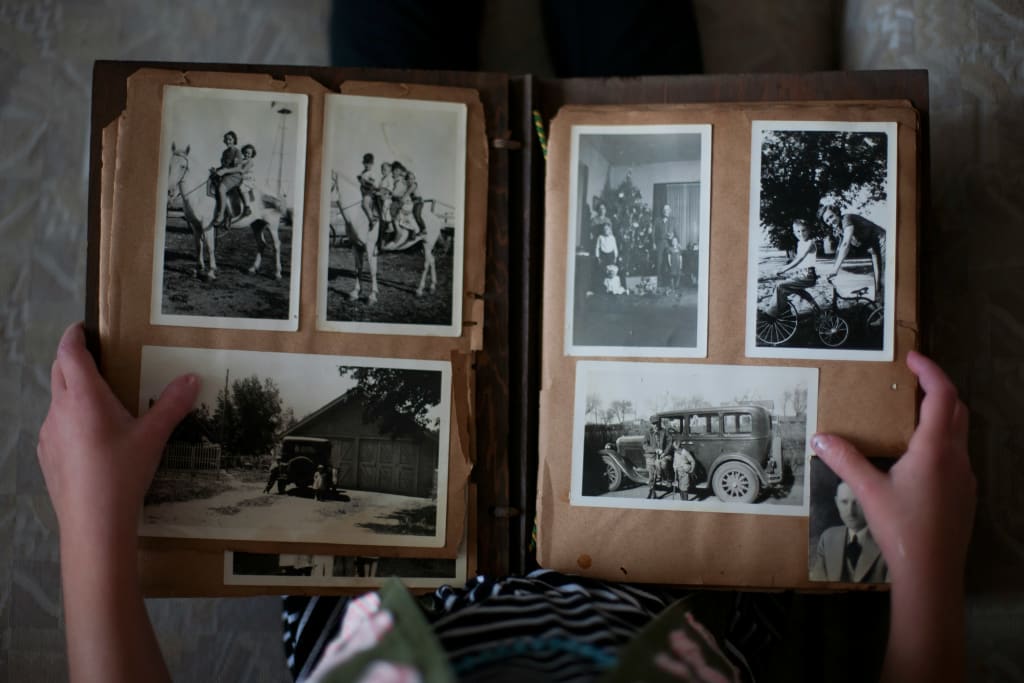
Nostalgia is a powerful emotion that many of us experience from time to time. It’s that warm, fuzzy feeling that washes over you when you hear a song from your childhood, flip through an old photo album, or visit a place that holds special memories. But what exactly is nostalgia? Why do we feel it, and how does it impact our lives? Let’s take a journey through the comforting yet complex world of nostalgia.
What Is Nostalgia?
Nostalgia is a feeling that comes from remembering the past, often with a mix of happiness and longing. It’s not just about thinking back to old times; it’s about feeling a deep emotional connection to those moments. Whether it’s recalling a family holiday, a high school dance, or a favorite childhood game, nostalgia allows us to relive those experiences in our minds, often with a sense of fondness and yearning.
The word "nostalgia" comes from the Greek words "nostos," meaning "homecoming," and "algia," meaning "pain." Originally, it was used to describe the homesickness that soldiers felt when they were far from home. Over time, the meaning of nostalgia has evolved, but that bittersweet mix of joy and sorrow remains at its core.
The Science Behind Nostalgia
Nostalgia isn’t just a random feeling that hits us out of nowhere; there’s actually some science behind it. When we experience nostalgia, our brains are doing a bit of a dance, connecting different regions responsible for memory, emotion, and reward. This dance can trigger the release of neurotransmitters like dopamine, which makes us feel good.
Interestingly, nostalgia often surfaces when we’re feeling down or going through a tough time. It’s like our brain’s way of giving us a little boost by reminding us of happier times. Research has shown that nostalgia can help improve our mood, increase feelings of social connectedness, and even give us a sense of meaning and purpose.
The Good Side of Nostalgia
Nostalgia has a lot of benefits, which is why many people seek it out intentionally. Here are some of the positive aspects of indulging in a bit of nostalgia:
Emotional Comfort:
Nostalgia can provide comfort during difficult times. When we’re feeling lonely, stressed, or uncertain about the future, thinking back to happier moments can be like wrapping ourselves in a warm blanket of memories. It reminds us that we’ve had good times before and that we can have them again.
Connection to Others:
Sharing nostalgic memories with friends or family can strengthen bonds. When we reminisce about old times, we often find common ground with others, sparking conversations that bring us closer together. It’s a way to celebrate shared experiences and keep relationships strong.
Sense of Identity:
Our memories play a big role in shaping who we are. By reflecting on past experiences, we can better understand ourselves and our journey. Nostalgia helps us connect the dots between who we were, who we are, and who we want to be.
Inspiration and Motivation:
Sometimes, looking back can give us the motivation we need to move forward. Nostalgic memories can remind us of our strengths, achievements, and the obstacles we’ve overcome. This can inspire us to face new challenges with confidence.
The Flip Side: When Nostalgia Turns Sour
While nostalgia is mostly positive, it can have a downside if we dwell on the past too much. Here are a few ways nostalgia can become problematic:
Escapism:
If we spend too much time longing for the past, we might start to use nostalgia as a way to escape from the present. This can prevent us from fully engaging with our current lives and moving forward.
Selective Memory:
Nostalgia tends to paint the past in a rosy glow, sometimes glossing over the less pleasant parts. While it’s nice to focus on the good memories, it’s important to remember that the past wasn’t perfect, and it’s okay to acknowledge the challenges we faced.
Feeling Stuck:
Constantly revisiting the past can make it harder to embrace the present and the future. If we’re always looking back, we might miss out on opportunities to create new memories and experiences.
Embracing Nostalgia in a Healthy Way
The key to enjoying nostalgia without getting stuck in the past is balance. Here are a few tips for embracing nostalgia in a healthy way:
Set Time Limits:
It’s okay to take a stroll down memory lane, but try not to linger too long. Allow yourself a few minutes to enjoy the memories, and then bring your focus back to the present.
Share with Others:
Sharing nostalgic memories with others can make the experience more meaningful. It also helps you stay grounded in the present, as you connect with those around you.
Create New Memories:
Instead of just looking back, think about how you can create new memories that you’ll cherish in the future. Engage in activities that bring you joy and spend time with loved ones to build a life full of moments worth remembering.
Conclusion: Nostalgia as a Gift
Nostalgia is a gift that allows us to revisit the past with a smile, drawing comfort and strength from our memories. It’s a reminder of where we’ve been and how far we’ve come. By embracing nostalgia in a balanced way, we can enjoy the warmth it brings without losing sight of the present and the future. So, the next time you feel that familiar wave of nostalgia, take a moment to savor it, then use it as a stepping stone to create even more beautiful memories ahead.
About the Creator
Mamoona Bushra
I'm blogger blogger my speciality I can adapt my writing style to suit a variety of topics, ranging from nature and science to health and tourism.
Keep reading
More stories from Mamoona Bushra and writers in Families and other communities.
Is Comparing Children to Others Right?
Every parent wants the best for their child. They hope for a bright future, filled with success, happiness, and achievements. But sometimes, in the pursuit of excellence, a common habit forms—comparing children to others. While it may seem like a harmless way to motivate, is it really fair? Does comparing one child to another push them toward greatness, or does it make their lives feel measured, like they’re not good enough unless they match someone else's standards?
By Mamoona Bushraabout a year ago in Families
I Married the Love of My Life… But Somehow Ended Up Living With Her Mother Instead
When I got married, I thought I knew exactly what I was signing up for—love, partnership, shared dreams, and building a life together. What I didn’t expect was that my marriage would gradually start to feel like a three-person arrangement… and that I would be spending more time with my mother-in-law than with my own wife.
By Lukáš Hrdlička7 days ago in Families
Money-Saving Baby Hacks
In the beginning, baby's can be so expensive. You need so many things like a crib, bassinet, clothes, diapers, wipes, bottles, binki's, breast pump, toys, blankets, etc. Things add up and sometime's new parent's or even veteran parent's need ways to stay in budget and make life just a tad more frugal.
By Rich Burton6 days ago in Families



Comments
There are no comments for this story
Be the first to respond and start the conversation.