
New Horizons in Peri-Implantitis Treatment
What is the New Treatment for Peri-implantitis?

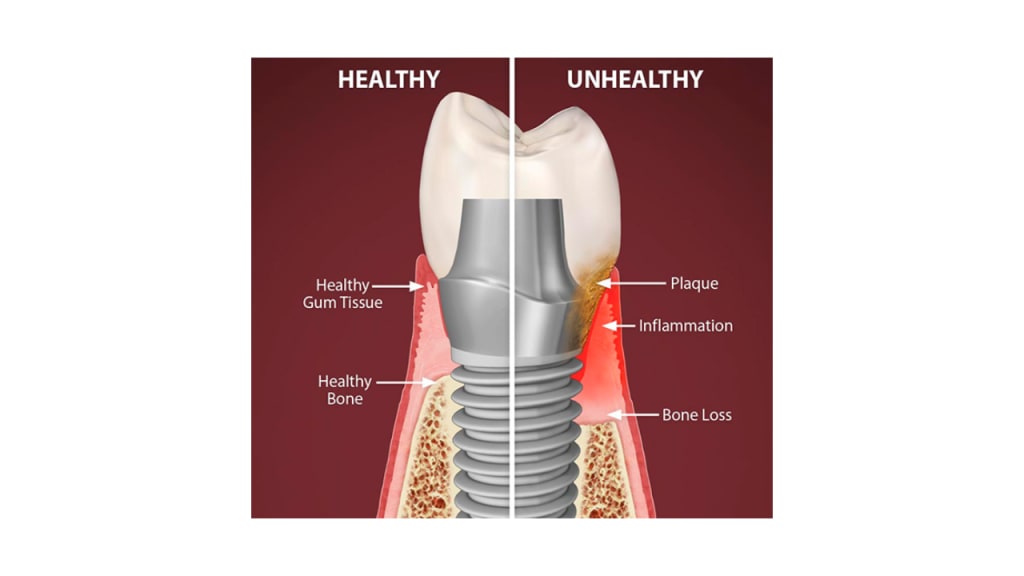
Peri-implantitis, a serious infection that can lead to bone loss around dental implants, has been a significant concern in dentistry. However, recent strides in dental technology and research have brought about innovative treatment options. This article will explore the latest developments in peri-implantitis treatment and discuss the potential benefits and considerations for patients.
Understanding Peri-Implantitis
Before delving into the new treatments, it's essential to understand peri-implantitis. It occurs when bacteria accumulate around the implant, leading to inflammation and infection. If left untreated, it can result in bone loss, which can ultimately compromise the implant's stability and lead to its failure. By understanding this process, you can take control of your dental health and make informed decisions.
Traditional Treatment Approaches
Historically, the treatment for peri-implantitis involved:
Non-surgical therapy: This typically included deep cleaning around the implant and prescribing antibacterial mouthwash.
Surgical treatment: In severe cases, surgical intervention might be necessary, involving procedures like flap surgery to access the infected area, bone grafting, or even implant removal.
New Treatment Innovations
Recent years have witnessed significant advancements in peri-implantitis treatment, offering more effective and minimally invasive options. Some of the most promising developments include:
Laser-Assisted Therapy
Benefits: Lasers can effectively remove bacteria and biofilm from the implant surface, reducing inflammation and promoting healing. They also offer a less invasive approach compared to traditional surgical techniques.
Applications: Lasers can be used for both non-surgical and surgical treatment of peri-implantitis.
Antimicrobial Therapy
Benefits: Novel antimicrobial agents, such as chlorhexidine and essential oils, can help combat the bacteria responsible for peri-implantitis.
Applications: These agents can be combined with other treatments, such as scaling and root planing.
Regenerative Therapies
Benefits: Regenerative techniques, including bone grafting and growth factors, can help stimulate tissue regeneration and repair bone loss around the implant.
Applications: These approaches benefit advanced peri-implantitis cases with significant bone loss.
Implant Surface Modification
Benefits: Modifying the implant surface can make it less susceptible to bacterial attachment and biofilm formation.
Applications: New implant surfaces with antimicrobial properties or textured surfaces can help prevent peri-implantitis.
Guided Tissue Regeneration (GTR)
Benefits: GTR uses a barrier membrane to guide tissue growth and regeneration around the implant.
Applications: This technique can be used with other treatments to enhance bone and soft tissue regeneration.
Choosing the Right Treatment
The most appropriate treatment for peri-implantitis will depend on several factors, including the severity of the infection, the patient's overall health, and their preferences. It's essential to consult with a qualified dental professional to discuss the available options and determine the best course of action for your specific situation. This professional guidance will provide reassurance and ensure you are on the right path to recovery.
While advancements in treatment have improved the outlook for patients with peri-implantitis, prevention remains crucial. Maintaining excellent oral hygiene, regular dental check-ups, and following your dentist's recommendations can significantly reduce the risk of developing this condition.
The field of peri-implantitis treatment is evolving rapidly, with exciting new developments offering hope for patients facing this challenging condition. By staying informed about the latest advancements and working closely with your dentist, you can improve your chances of maintaining a healthy and functional dental implant.
The Role of Patient Compliance
While advancements in dental technology and treatments are crucial, patient compliance is vital to the success of peri-implantitis therapy. Adhering to the dentist's instructions, maintaining proper oral hygiene, and attending regular check-ups can significantly improve treatment outcomes.
Future Directions in Research
Ongoing research continues to explore new avenues for peri-implantitis treatment. Areas of focus include:
Nanotechnology: The use of nanoparticles for targeted drug delivery and biofilm disruption.
Gene therapy: Modifying the genetic expression of bacteria involved in peri-implantitis.
Artificial intelligence: Utilizing AI-powered diagnostic tools to detect peri-implantitis early.
Conclusion
The landscape of peri-implantitis treatment has evolved significantly, offering patients a more comprehensive range of options. By staying informed about the latest advancements and working closely with your dentist, you can improve your chances of maintaining a healthy and functional dental implant.
About the Creator
Keep reading
More stories from writers in Families and other communities.
When Court Felt Like the Only Option: A Mum’s C100 Form Journey
I never thought I'd be the kind of person who filled in a court form at her kitchen table at midnight, crying into a mug of cold tea. But there I was, reading the same paragraph on the C100 for the third time, trying to work out whether I was supposed to tick "lives with" or "spends time with" for a child who hadn't seen his dad in eleven weeks.
By Jess Knaufa day ago in Families
Professor Carlton Jama Adams on Raising Resilient Children in Complex Times
In conversations about modern parenting, Professor Carlton Jama Adams consistently brings the focus back to clarity, compassion, and responsibility. As a licensed clinical psychologist and professor of psychology, his work bridges theory and practice, offering families grounded tools for raising emotionally healthy children in a rapidly shifting world. With extensive experience working with children and families, along with teaching courses on masculinities, human services, community justice, Africana intellectual thought, and the psychology of oppression and liberation, his perspective reflects both clinical depth and cultural awareness.
By Carlton Adamsabout 8 hours ago in Families
Where there's Art there's Heart
Here's a stupid thing: I adore art, but I start to panic whenever I step into a gallery. In the one place I should be at my contented best - surrounded by walls teeming with creative expression - I fall apart. What ought to be an enriching experience, tacitly designed to facilitate the exploration of human empathy and perspective, is for me an overwhelming purgatory of anxiety that compresses me to the point I cannot breathe. At the same time, I experience a sense of extraction, as though my head is being prized open to create a hole so big my sanity could evaporate. Somewhere between these two opposing forces of vice and vortex, I feel myself dissolving in a stream of panic that makes me want to cry; and I feel so daft feeling this way, that all I want to do is run for the hills.
By Caroline Janea day ago in Humans




Comments
There are no comments for this story
Be the first to respond and start the conversation.