
Never Let Your Child Take the Passenger Seat, Even on Rough Roads:
Parenting Lessons

As parents, we often find ourselves navigating the challenges of raising our children while maintaining a healthy relationship with our partner. In our efforts to provide love, care, and attention to our kids, we may unintentionally create dynamics that can harm our partnership and ultimately, our family as a whole. One such dynamic is allowing our children to take the passenger seat, both literally and metaphorically, and replacing our partner in the process.
The passenger seat is not just a physical space in our vehicle; it represents a position of companionship, support, and intimacy. When we allow our children to occupy this space, we may be sending a message that they are our primary companion, our partner in life. While it's essential to spend quality time with our kids, it's equally important to maintain a strong connection with our partner.
One of the primary reasons we should never let our child take the passenger seat is that it can create an unhealthy dynamic in our family. When children are given too much power and attention, they can begin to manipulate us against our partner. This can lead to conflict, resentment, and a breakdown in communication between partners. Moreover, when children are allowed to boss around the house, they may develop an inflated sense of entitlement, which can ultimately backfire when they enter the real world.
Another critical reason to maintain a strong partnership is that our children will eventually leave home. As they grow older, they will develop their own interests, pursue their own goals, and eventually start their own families. When this happens, we will be left with our partner, and it's essential that we have a strong, healthy relationship to rely on.
So, how can we avoid letting our children take the passenger seat? The first step is to prioritize our relationship with our partner. This means scheduling regular date nights, having open and honest communication, and showing appreciation and affection for each other. By doing so, we can strengthen our bond and create a united front when dealing with our children.
When disagreements arise, it's essential to present a united front to our children. This means discussing issues with our partner before presenting a solution to our kids. By doing so, we can avoid being manipulated by our children and ensure that we are consistent in our messaging. As the leaders of our household, it's essential that we stand together and support each other, even when we disagree.
In any organization, there must be a leader who is accountable for the outcomes. In a family, this leader is typically the husband. However, this doesn't mean that the wife has no say in decision-making. Rather, it means that the husband should have the final say, and the wife should support his decision. By doing so, we can avoid confusion and ensure that our children understand the chain of command.
In conclusion, never letting our child take the passenger seat is crucial for maintaining a healthy family dynamic. By prioritizing our relationship with our partner, presenting a united front, and avoiding manipulation by our children, we can create a strong, loving family environment. Remember, our children will eventually leave home, and it's essential that we have a strong partnership to rely on. So, let's keep our partner in the passenger seat, where they belong.
About the Creator
Wise~Guys
— Look Behind what's in Front of You ~ Make Good Choices — Hey, So how you Doin'..! Made~Men — Mobster Movies romanticise a distinctive, elegant appearance, impeccable attire style, along with the 'Families' expressive lingo. Making their 'Bones' gave them Panache — with vintage fedoras, tailored pin-striped suits, mirror-polished wing-tip shoes adorned with tassels; with their 'Gun Moll' gorgeous dates on their arms.
By Jay Kantor17 days ago in Families
Caregiver Burnout Explained: Smart Apps That Reduce Stress and Save Time
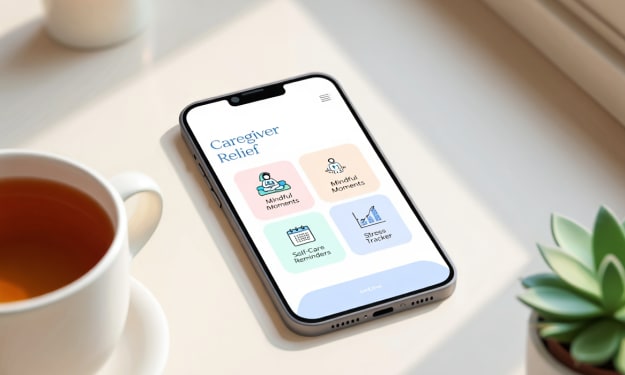
That moment you blink awake and realize you’re already done for the day! It is indeed a worse feeling. The caregiving never takes a day off, even when you desperately need one. Over time, emotional pressure quietly builds. You manage appointments, emotions, and expectations, often without support. That steady weight leads many caregivers toward caregiver burnout, even when love stays strong. Technology now offers gentle help. Caregiver burnout apps for stress relief supports you through demanding days.
By Centre of Healing Minds2 days ago in Families



Comments
There are no comments for this story
Be the first to respond and start the conversation.