
Move, Make, Master:
Helping Kids Connect Eye and Hand
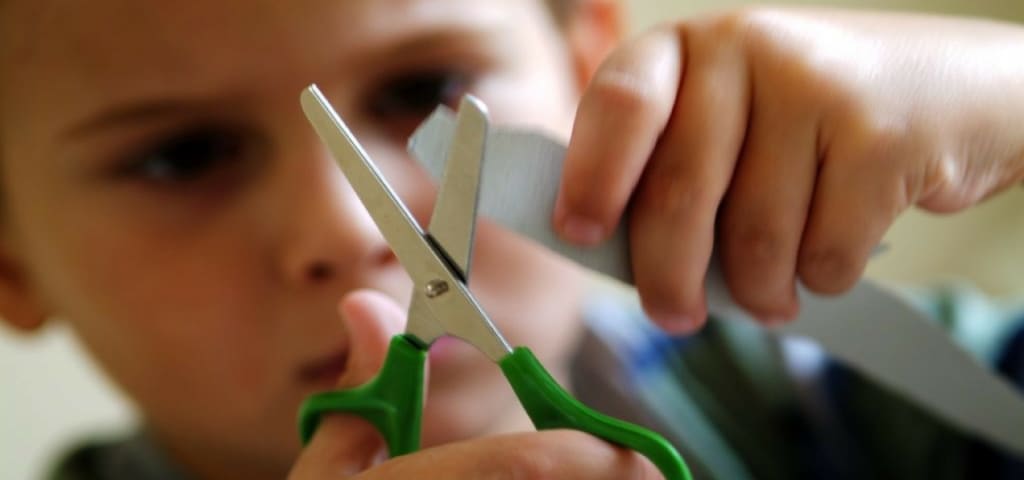
Coordination of hand and eye. Often we take this skill for granted until we see a child attempting to pour juice without spilling it all over the table, catching a ball, or threading a shoelace. Though it usually grows naturally as children grow, there is much we can do as parents, caregivers, or teachers to assist this fundamental ability along. It quietly supports everything from writing to bike riding.
But first, what is hand-eye coordination precisely?
Grasping Hand-Eye Coordination
Hand-eye coordination is the capacity to let our hands and movements be guided by visual input; what we see. In children, this ability grows slowly from infancy as babies reach for rattles and finally transforms into more complicated activities like using scissors or tying shoes.
Neurologically, this process comprises the visual system, motor control centers in the brain, and the musculoskeletal system. The brain sends muscle signals to react with timing, accuracy, and purpose by means of interpretation of what the eyes see. It's a cooperation of the whole body.
Research in developmental neuroscience reveals that improved hand-eye coordination is connected to better school performance, especially in early literacy and mathematics. Children who can effectively monitor and control their movements are usually more confident in activities needing attention and fine motor control.
How can we therefore help and even evaluate this crucial developmental milestone?
Evaluating Hand-Eye Coordination: What to Watch For
Evaluation doesn't always involve charts and clipboards. Watching your child manage daily chores can reveal much.
Here are several signs of improving hand-eye coordination:
- Are they able to throw or catch a ball with some accuracy?
- Do they correctly use utensils at mealtimes?
- Can they pencil trace lines or copy forms?
- Can they zip or button garments without much assistance?
- How do they manage building blocks, paintbrushes, or scissors?
Consulting an occupational therapist could be beneficial if a child beyond the expected age range finds these activities particularly difficult. Most kids, therefore, just require the correct activities, patience, and time to develop this ability.
Exercises to Improve Hand-Eye Coordination
Expensive tools or official training are not required. Many easy, enjoyable games can naturally improve hand-eye coordination; the greatest part? Most of them seem more like pleasure than labor.
1. Games of Building and Stacking
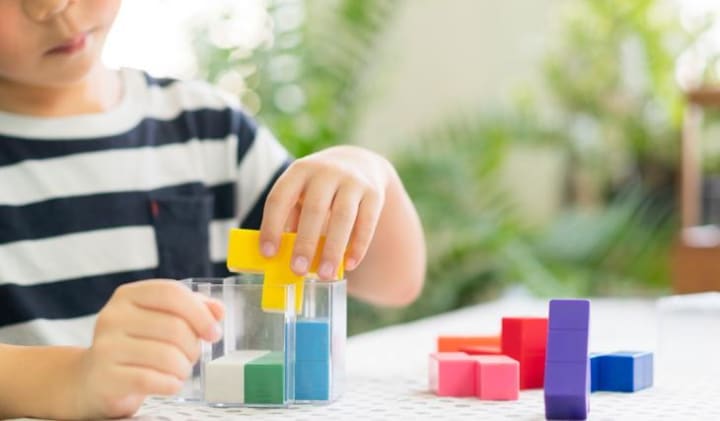
Imagine: a straightforward game of stacking plastic cups, LEGO, or wooden blocks. These exercises enable kids to coordinate with what their eyes are directing them to do, therefore controlling tiny muscles in their hands.
Give this a shot: Let them construct a tower as high as feasible. Then dare them to copy a building you have created.
2. Big and Small Ball Games
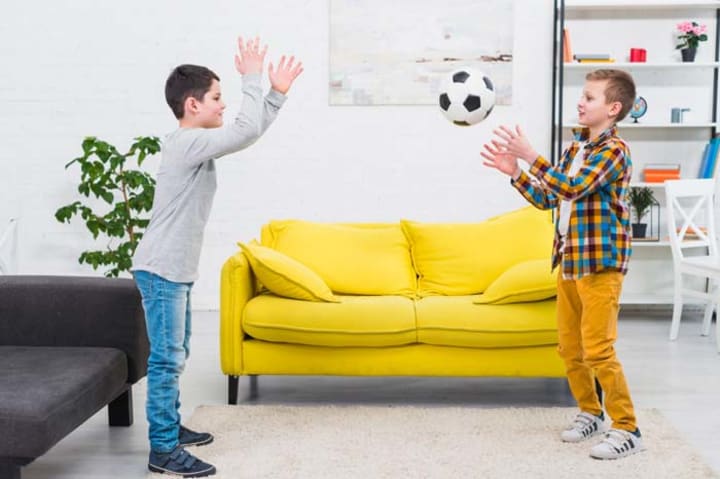
Ball-based games range from toddlers throwing soft balls into laundry baskets to older children playing catch or tennis and are among the most powerful means of improving timing and coordination.
Indoor concept: A balloon makes for a slow-motion volleyball game; it's enjoyable and allows more time for the brain and hands to synchronize.
3. Art and Crafts
Drawing, painting, shape cutting; creative activities demanding accuracy; are great for enhancing visual-motor integration.
Especially custom kits made for children, paint by numbers is a wonderful, lesser-known pastime. These offer a good mix of creativity and structure. A soft, directed approach to increase attention, brush control, and visual processing is matching a hue to a number and methodically filling in that area. Seeing their work come together also provides kids a real feeling of success.
Bonus: It's soothing. Ideal for peaceful afternoons.
4. Copying and Tracing
Children develop control and accuracy by using stencils or sketching shapes to be copied. These exercises are also good for handwriting skills.
Begin with broad, basic forms and progressively add more complex designs as they develop.
5. Puzzles and mazes
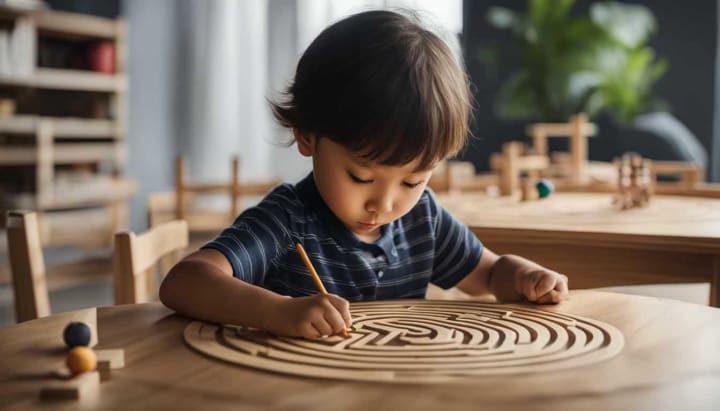
From a printed maze to a traditional jigsaw puzzle, these pastimes promote visual tracking and deliberate hand motions. They also include a component of problem-solving that stimulates several brain areas.
6.Daily Chores
Setting the table, tying shoelaces, spreading peanut butter, pouring juice; all of these "real life" chores subtly develop coordination.
Ask children into the kitchen or garden to assist with chores including seed planting, egg cracking, or batter stirring. They're picking up more than you could think.
Consistency Above Complexity
Progress, not perfection, is the aim. Children can develop these abilities without strict schedules or ostentatious tools. What they require is regular, purposeful movement combined with support in a low-pressure setting.
The child's age and stage should also be taken into account. A three-year-old will not catch a bouncing ball with exact accuracy or draw between the lines. What counts more is that they are attempting, relishing the journey, and being gently led forward.
When to Look for Additional Help
Consulting an occupational therapist might be advisable if a child is constantly struggling with fundamental coordination activities such as using utensils, catching a ball, or holding a pencil correctly, by preschool or early school years. They can more precisely evaluate developmental milestones and, if required, suggest focused activities.
Last Reflections: Cooperation is Linkage
Helping children improve hand-eye coordination is not about drills or strict practice. It's about the relationship between their eyes and hands, their ideas and deeds, and between them and the surrounding world.
Every brush stroke, ball toss, or puzzle piece placement makes them stronger in ways we cannot always observe. Those are the times that really stick when they are doing it happily with a splash of paint, a laugh over a wobbly tower, or the pride of a completed project.
Therefore, don't hesitate to create a small chaos. Take out the puzzles, get the paint by numbers set, roll the ball about the living room. The abilities they are developing now will benefit them in the classroom, on the playground, and far beyond for many years.
About the Creator
Keep reading
More stories from writers in Families and other communities.
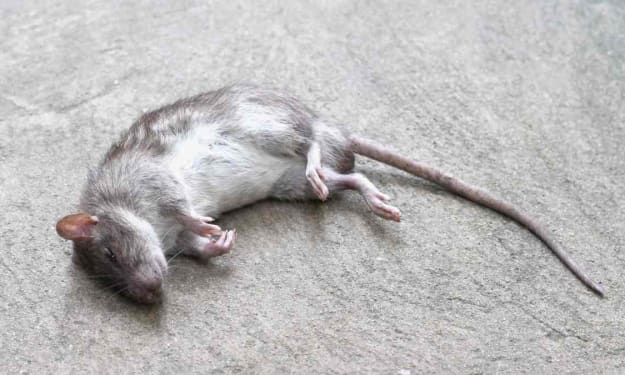
How to Safely Dispose of a Dead Animal on Your Property
Discovering a dead animal on your property is distressing, but it's a reality many Australians face. Whether it's a possum, bird, rabbit, or larger wildlife, knowing how to dispose of it safely protects your health and follows legal requirements. From Dead Animal Removal Brighton to rural properties across Victoria, the principles remain the same. This comprehensive guide walks you through safe disposal methods whilst minimising health risks and complying with local regulations.
By Jack Warner7 days ago in Families



Comments
There are no comments for this story
Be the first to respond and start the conversation.