
Messy Fun, Big Learning: 5 Sensory Play Activities That Spark Curiosity in Preschoolers
Kids are normally inquisitive, and messy play connects with their senses at a formative level that is fitting for them.

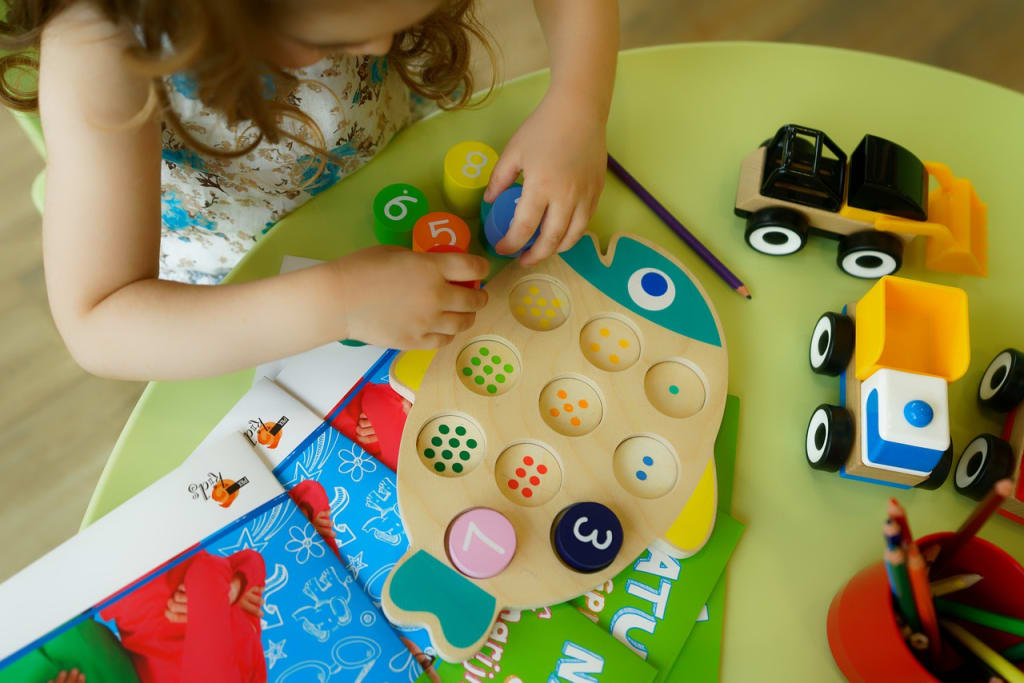
Preschoolers are curious little beings, constantly exploring the world around them. Their senses are their gateway to understanding and experiencing their environment. Sensory play activities provide them with opportunities to engage their senses while having fun and learning. Messy play, in particular, offers a plethora of benefits, from stimulating creativity to enhancing cognitive development. In this blog post, we'll explore five sensory play activities that not only encourage messy fun but also ignite curiosity and promote learning in preschoolers.
Exploring Textures with Sensory Bins:
Sensory bins are a versatile tool for engaging preschoolers in tactile exploration. These bins typically contain a variety of materials with different textures, such as rice, beans, sand, or water beads. To create a sensory bin, simply fill a container with the chosen material and add small toys, scoops, and containers for scooping and pouring.
Preschoolers love plunging their hands into sensory bins, feeling the different textures, and discovering hidden treasures buried within. As they manipulate the materials, they develop fine motor skills and hand-eye coordination. Moreover, sensory bins provide opportunities for language development as children describe the sensations they experience.
For added learning, theme the sensory bins around specific concepts or seasons. For instance, a farm-themed sensory bin could include dried corn kernels, plastic farm animals, and miniature fences, allowing children to explore the concept of farming while engaging their senses.
Enhance your child's skills with comprehensive tracing practice workbook
Messy Art with Edible Paints:
Art activities are a staple in preschool classrooms, but why not take it up a notch with edible paints? By using materials such as yogurt, pudding, or fruit purees mixed with food coloring, preschoolers can create colorful masterpieces while engaging their sense of taste and smell.
Edible paints offer a safe and enjoyable way for children to explore creativity without worrying about harmful chemicals. Encourage them to use their fingers, hands, or even feet to paint on paper or cardboard. The tactile experience of squishing and spreading the paint enhances sensory awareness and promotes sensory integration.
As children experiment with mixing colors and creating patterns, they develop critical thinking skills and unleash their artistic expression. Plus, the sensory-rich experience of messy art fosters a positive attitude towards exploration and experimentation.
Digging and Planting in Sensory Gardens:
Outdoor sensory gardens provide preschoolers with a multi-sensory experience that combines nature exploration with hands-on learning. Create a designated area in your backyard or school playground where children can dig, plant, and explore different textures and scents.
Equip the sensory garden with child-sized gardening tools, such as shovels, rakes, and watering cans, to encourage active participation. Plant a variety of sensory-rich plants, including fragrant herbs like mint and lavender, fuzzy lamb's ear leaves, and velvety flowers such as pansies.
Preschoolers will delight in getting their hands dirty as they dig in the soil, plant seeds, and water the plants. Through gardening activities, they learn about plant life cycles, environmental responsibility, and the importance of caring for living things. Additionally, spending time outdoors enhances gross motor skills, promotes physical activity, and fosters a connection with nature.
Exploring Messy Science Experiments:
Science experiments offer endless opportunities for messy, hands-on learning in preschool classrooms. From erupting volcanoes to colorful chemical reactions, these experiments captivate children's attention while promoting inquiry-based learning.
Set up a science exploration station with simple experiments that allow preschoolers to observe, predict, and explore cause-and-effect relationships. For example, mix baking soda and vinegar to create a foamy eruption or combine cornstarch and water to make oobleck, a non-Newtonian fluid that behaves both like a liquid and a solid.
Encourage children to ask questions, make hypotheses, and record their observations in science journals. Through messy science experiments, preschoolers develop critical thinking skills, learn to make predictions, and gain a deeper understanding of scientific concepts such as density, solubility, and chemical reactions.
Sensory Storytelling with Messy Play Dough:
Play dough is a beloved sensory material that offers endless possibilities for open-ended play and creativity. To enhance the sensory experience, consider adding sensory elements such as scents, textures, or colors to the play dough.
Invite preschoolers to participate in making their own play dough by mixing flour, salt, water, and food coloring. Add natural scents such as vanilla or cinnamon to stimulate the olfactory senses and spark curiosity.
Once the play dough is ready, encourage children to mold, squish, and sculpt it into different shapes and creations. Use storytelling prompts to inspire imaginative play, such as asking children to create animals, vehicles, or characters from their favorite storybooks.
As children manipulate the play dough, they strengthen their hand muscles and improve fine motor skills. Sensory-rich play dough activities also promote language development as children describe their creations and engage in imaginative play scenarios.
Messy play activities provide preschoolers with valuable opportunities to explore their senses, spark curiosity, and promote learning in a fun and engaging way. From sensory bins to messy art and outdoor gardening, these activities offer rich sensory experiences that stimulate creativity, enhance cognitive development, and foster a love of exploration and discovery. By incorporating sensory play into preschool curriculum, educators can create enriching learning experiences that cater to the diverse needs and interests of young learners, setting the stage for a lifelong love of learning.
Enhance your child's skills with comprehensive tracing practice workbook
About the Creator
Samira Tasnim
Content writer and marketer.
Keep reading
More stories from Samira Tasnim and writers in Families and other communities.
10 Heartwarming Mother's Day Traditions from Around the World
While the essence of Mother's Day remains the same across cultures, the traditions associated with it often vary, reflecting the diverse cultural tapestry of humanity. In this blog, we'll embark on a heartwarming journey to explore ten unique Mother's Day traditions from around the world, each shedding light on the deep-rooted reverence for motherhood.
By Samira Tasnim2 years ago in Families
Wise~Guys
— Look Behind what's in Front of You ~ Make Good Choices — Hey, So how you Doin'..! Made~Men — Mobster Movies romanticise a distinctive, elegant appearance, impeccable attire style, along with the 'Families' expressive lingo. Making their 'Bones' gave them Panache — with vintage fedoras, tailored pin-striped suits, mirror-polished wing-tip shoes adorned with tassels; with their 'Gun Moll' gorgeous dates on their arms.
By Jay Kantor22 days ago in Families




Comments
There are no comments for this story
Be the first to respond and start the conversation.