
Merits and Demerits of Nuclear Family
A nuclear family consists of parents and their children living together as a single unit. It is one of the most common family structures globally, especially in urban areas, and is seen as a symbol of modern, independent living. The structure contrasts with extended families, where multiple generations—grandparents, uncles, aunts, and cousins—live together or nearby, creating a large family network.
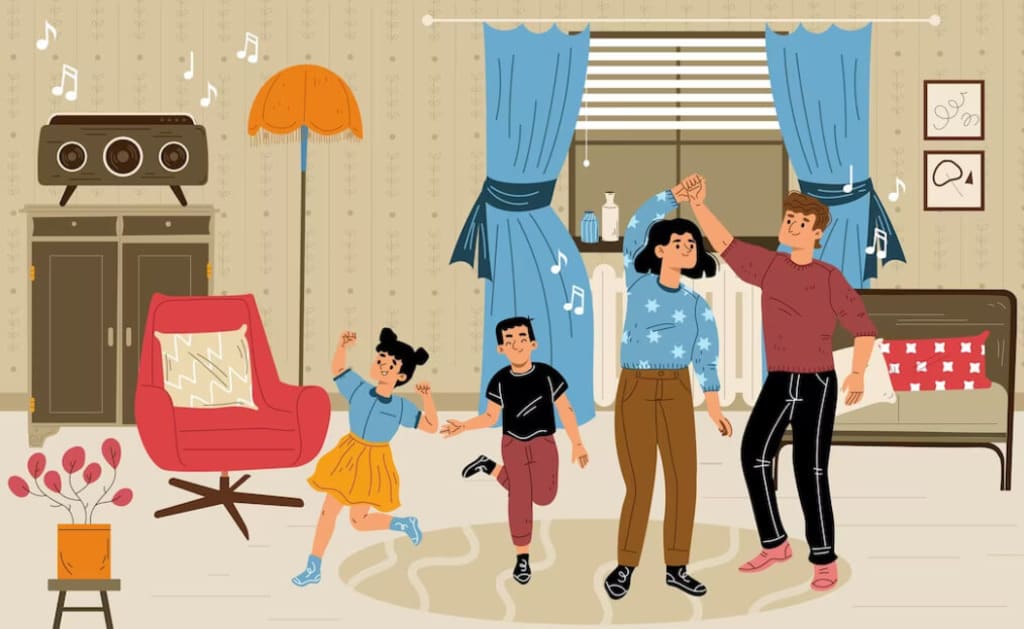
A nuclear family consists of parents and their children living together as a single unit. It is one of the most common family structures globally, especially in urban areas, and is seen as a symbol of modern, independent living. The structure contrasts with extended families, where multiple generations—grandparents, uncles, aunts, and cousins—live together or nearby, creating a large family network.
While the nuclear family offers certain advantages in terms of privacy and autonomy, it also comes with its own set of challenges. This article will explore the merits and demerits of a nuclear family and how this family structure impacts relationships, finances, and social life.
Merits of a Nuclear Family
1. Independence and Privacy: One of the most significant advantages of a nuclear family is the sense of independence it offers. Since the family unit is smaller, parents have the freedom to make decisions without interference from extended family members. This allows them to raise their children according to their own values, preferences, and goals. Additionally, the nuclear family provides a higher degree of privacy, allowing family members to have their own personal space.
2. Stronger Bond Among Family Members: In a nuclear family, the small size of the household allows parents and children to spend more time together, fostering a closer bond. With fewer family members around, the relationships between parents and children can become more personal and intimate. Parents can focus on the emotional, educational, and personal development of their children, which can lead to a stronger family unit.
3. Financial Stability: A nuclear family often experiences greater financial stability compared to extended families, where resources may be stretched across multiple generations and households. With only the parents and children to provide for, there is more control over financial planning and budgeting. This allows nuclear families to allocate resources more efficiently, plan for the future, and save for education, health, and other important needs.
4. Fewer Family Conflicts: In an extended family, differing opinions and generational gaps can lead to frequent conflicts over decisions related to child-rearing, finances, and daily living. In contrast, nuclear families typically have fewer conflicts because decisions are made by the parents, without interference from extended family members. This helps create a more peaceful and harmonious living environment.
5. Faster Decision-Making: In a nuclear family, decision-making is often quicker and more efficient because only the parents need to be involved in important decisions. Whether it’s about finances, education, or lifestyle choices, the process of reaching an agreement is streamlined, as it does not require the input or approval of extended family members. This can make it easier to adapt to changing circumstances and make timely decisions.
6. Encourages Self-Reliance: A nuclear family structure encourages self-reliance and responsibility in both parents and children. Parents learn to manage household chores, finances, and other responsibilities without the support of extended family members. Children, too, often take on more responsibilities in a nuclear family, which can foster independence and life skills at an early age. This self-reliance prepares family members to be more resilient and capable of handling challenges on their own.
7. Freedom to Relocate: One of the practical advantages of a nuclear family is the flexibility it offers in terms of relocation. Families can move to new cities or countries for better career opportunities, education, or lifestyle choices without the constraints of an extended family. This mobility is especially important in today’s globalized world, where career growth often requires families to move to different locations.
Demerits of a Nuclear Family
1. Lack of Support System: One of the biggest drawbacks of a nuclear family is the lack of an extended support system. In extended families, multiple generations often share the responsibility of raising children and managing household chores. In a nuclear family, parents are solely responsible for child-rearing, household maintenance, and financial stability. This can be overwhelming, especially for working parents who may struggle to balance their professional and personal responsibilities without help from extended family members.
2. Social Isolation: A nuclear family can sometimes lead to social isolation, especially in cases where the family lives far away from relatives. Without the frequent interaction with extended family members, children may miss out on forming close relationships with their grandparents, uncles, aunts, and cousins. This can limit their exposure to family traditions, values, and stories that are often passed down through generations in extended families.
3. Increased Pressure on Parents: In a nuclear family, parents bear the full responsibility of providing for their children’s emotional, financial, and social needs. The absence of extended family members means that parents do not have a shared support system to help them manage the various demands of family life. This can lead to increased stress and burnout, especially for parents who are juggling demanding jobs, household chores, and child-rearing simultaneously.
4. Limited Guidance for Children: In extended families, children benefit from the guidance and wisdom of multiple adults, including grandparents and other relatives. This provides children with a broader range of perspectives and life experiences to learn from. In a nuclear family, children have limited access to such diverse guidance and may rely solely on their parents for advice. This can restrict their exposure to different viewpoints and ideas.
5. Challenges During Crises: In times of crisis, such as illness, financial hardship, or emotional stress, a nuclear family may struggle to cope without the support of extended family members. In an extended family, relatives can step in to help with childcare, household responsibilities, or emotional support during difficult times. A nuclear family, however, may find it more challenging to navigate crises on their own.
6. High Dependency on Childcare Services: In nuclear families where both parents work, there is often a high dependency on childcare services such as daycares, nannies, or after-school programs. Unlike extended families, where grandparents or other relatives can assist with childcare, nuclear families may have to rely on paid services, which can be expensive. This financial burden, combined with the stress of finding reliable childcare, can be challenging for many nuclear families.
7. Loss of Cultural and Family Traditions: Extended families often play a crucial role in passing down cultural values, family traditions, and stories from one generation to the next. In nuclear families, the absence of extended family members may result in the erosion of these traditions over time. Children may grow up without a strong connection to their cultural heritage or the customs that are typically shared and celebrated within extended family networks.
Conclusion
The nuclear family structure offers many advantages, including independence, privacy, financial stability, and stronger emotional bonds between parents and children. It encourages self-reliance and allows families the flexibility to make decisions and relocate as needed. However, the nuclear family also has its limitations, such as the lack of a support system, increased pressure on parents, and social isolation.
While the nuclear family is well-suited to modern, urban lifestyles, it requires careful management to avoid burnout, stress, and social isolation. Ultimately, the success of a nuclear family depends on how well its members balance the benefits of independence with the need for external support and social connections.
About the Creator
Keep reading
More stories from Angel Dipti and writers in Families and other communities.
Business Parks and the Startup Ecosystem
In recent years, business parks have emerged as vital hubs for nurturing startups and fostering innovation. These dedicated zones provide a supportive environment where new businesses can thrive, collaborate, and access essential resources. Let's explore how business parks contribute to the startup ecosystem and why they are crucial for entrepreneurial success.
By Angel Diptiabout a year ago in Families
Christmas Abroad: Celebrating the Holidays Without Family
I moved to South Korea in 2017. I was twenty-two years old and excited to start my career as an English Second Language Teacher. With a Bachelor's degree and six hundred dollars in my bank account, I set off for Busan.
By Kera Hollow27 days ago in Families
My Mother And George Michael
On Christmas Day 2016, news broke that George Michael had died. It was late in the evening, and my mother and I were sat in front of the TV. Our friends and family had gone home, we had eaten way too much food and we were tired. My mother was asleep, in fact. I wasn’t. I was scrolling, looking for anything to watch. It was Christmas Day, surely something good would be on. But what I got were reruns, repeats, Christmas specials from the year before that I had already seen… I sort of gave up and logged onto Facebook just to pass the time. That’s when I saw it. George Michael had died. I immediately jumped out of the sofa. That couldn’t be. Or maybe it could. It was 2016, after all. I put on Sky News because who can believe anything they see on Facebook these days? And there it was. The man I had grown up with had died. My mother didn’t know. Not for another minute, when I had to gather the courage to wake her up. I was crying and I knew she would immediately know something was wrong. I gently woke her up and pointed at the TV…
By Carol Saint Martinabout 2 hours ago in Families


Comments