
Medically Recommended Foods for Diabetes Management
“The Ideal Diabetic Plate: A Balanced Mix of Vegetables, Protein, and Whole Grains”

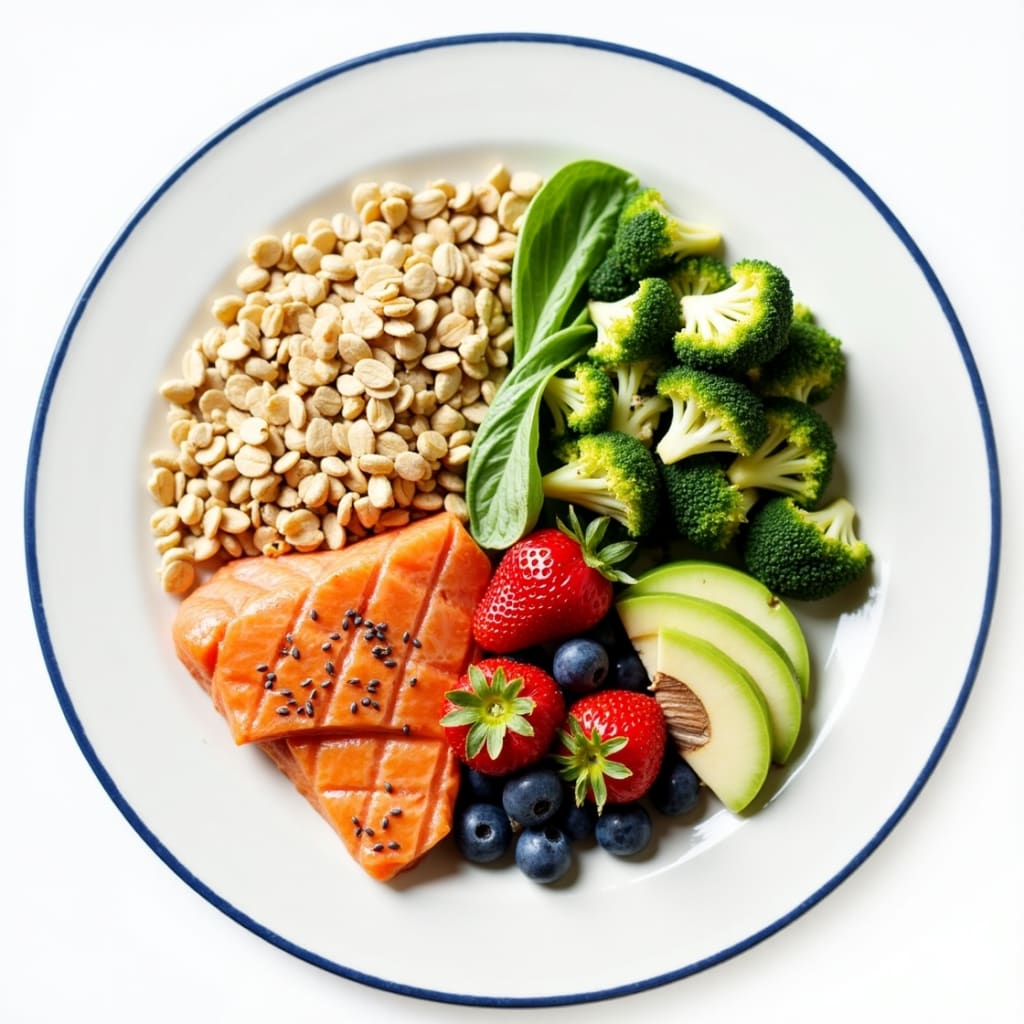
Introduction
Diabetes mellitus is a chronic metabolic disorder characterized by high blood glucose levels due to either insufficient insulin production (Type 1), insulin resistance (Type 2), or both. According to the International Diabetes Federation (IDF), over 537 million adults globally were living with diabetes in 2021, a number expected to rise to 783 million by 2045. While medications and insulin therapies are crucial, dietary management remains the cornerstone in controlling blood glucose levels and preventing complications. This documentary report explores the types of foods that are medically recommended for individuals living with diabetes, backed by scientific research and global health guidelines.
1. The Importance of Diet in Diabetes Management
Medical experts agree that dietary choices profoundly influence blood glucose control. The American Diabetes Association (ADA) recommends a balanced diet focusing on low-glycemic-index (GI) foods, high fiber content, and limited saturated fats. The goal is to maintain steady glucose levels, reduce insulin resistance, and manage body weight effectively (ADA, 2021).
2. Whole Grains: Slow Carbohydrate Absorption
Whole grains like oats, barley, brown rice, quinoa, and whole wheat are rich in dietary fiber and have a low GI. Unlike refined grains, whole grains do not spike blood sugar rapidly, thanks to their complex carbohydrates and fiber.
• Scientific Reference: A 2018 study published in The Journal of Nutrition found that higher whole grain intake was associated with a reduced risk of Type 2 diabetes (Sun et al., 2018).
• Example: Oatmeal is an excellent breakfast choice. It contains β-glucan, a soluble fiber known to slow digestion and improve insulin sensitivity.
3. Non-Starchy Vegetables: High Fiber and Low Calorie
Non-starchy vegetables such as spinach, broccoli, cauliflower, cabbage, carrots, and cucumbers are highly recommended. These vegetables are low in carbohydrates, rich in antioxidants, and high in fiber.
• Benefits: They help in managing weight and reducing post-meal blood glucose levels.
• Medical Insight: The British Dietetic Association (BDA) recommends that half of a diabetic patient’s plate should consist of non-starchy vegetables for optimal glycemic control (BDA, 2020).
4. Fruits in Moderation: Natural Sugars with Nutrients
Fruits contain natural sugars, but also fiber, vitamins, and antioxidants. Portion control is key, and low-GI fruits are preferred.
• Recommended Fruits: Apples, pears, oranges, berries (blueberries, strawberries), peaches, and kiwi.
• Avoid or Limit: Mangoes, bananas, and dried fruits in large amounts due to higher sugar content.
• Evidence: A Harvard study (Muraki et al., 2013) found that higher consumption of whole fruits, especially blueberries, grapes, and apples, was associated with a lower risk of Type 2 diabetes.
5. Lean Proteins: Muscle Maintenance and Satiety
Lean proteins help stabilize blood glucose and keep the body satiated longer. Ideal protein choices include:
• Skinless poultry, fish, eggs, legumes, tofu, and low-fat dairy.
• Fatty fish like salmon and mackerel are rich in omega-3 fatty acids, which are anti-inflammatory and beneficial for heart health—a major concern in diabetic patients.
• Reference: The ADA highlights the inclusion of lean protein in each meal to improve metabolic parameters (ADA Guidelines, 2021).
6. Healthy Fats: Essential but in Moderation
Monounsaturated and polyunsaturated fats, especially omega-3 fatty acids, are preferred fats for diabetic diets. They improve insulin sensitivity and support cardiovascular health.
• Sources: Olive oil, avocado, flaxseeds, walnuts, and fatty fish.
• Avoid: Trans fats and saturated fats found in processed and fried foods.
• Clinical Insight: According to a study in Diabetes Care (2019), replacing saturated fats with unsaturated fats improved insulin sensitivity and lipid profiles in people with diabetes.
7. Legumes and Pulses: Plant-Based Nutrition
Beans, lentils, and chickpeas are rich in fiber, protein, and complex carbs, making them ideal for diabetic patients.
• Glycemic Index: Low to medium, making them slow to digest and less likely to spike blood sugar.
• Additional Benefits: High in iron, magnesium, and potassium, which help in blood pressure regulation.
• Research Reference: A Canadian study (Jenkins et al., 2012) published in Archives of Internal Medicine showed that consuming legumes lowered HbA1c and improved heart health in Type 2 diabetics.
8. Dairy Products: Low-Fat Choices for Bone Health
Dairy provides calcium and protein but can be high in fat and carbs.
• Best Options: Low-fat milk, Greek yogurt (unsweetened), cottage cheese.
• Avoid: Full-fat and flavored yogurts or sweetened condensed milk.
• Study Insight: A meta-analysis in The American Journal of Clinical Nutrition (2019) revealed that dairy, especially fermented varieties, may have a protective effect against Type 2 diabetes.
9. Nuts and Seeds: Nutrient-Dense Snack
Almonds, walnuts, chia seeds, flaxseeds, and pumpkin seeds are powerhouses of nutrition.
• Benefits: High in healthy fats, protein, fiber, and antioxidants.
• Portion Control: Due to high caloric density, a small handful (about 28g) is sufficient.
• Evidence: Research from the Harvard School of Public Health indicates regular nut consumption reduces the risk of developing Type 2 diabetes.
10. Beverages: What to Drink and What to Avoid
Hydration is essential, but sugary drinks are a major cause of blood sugar spikes.
• Recommended: Water, unsweetened herbal tea, black coffee (in moderation).
• Avoid: Sodas, sweetened juices, and energy drinks.
• Note: Diabetics should also limit alcohol and consult a healthcare provider regarding its safe use.
Conclusion
Managing diabetes through diet is not about deprivation but smart, balanced choices. Whole foods rich in fiber, lean proteins, healthy fats, and low-GI carbohydrates should form the foundation of a diabetic diet. With consistent meal planning, portion control, and medical consultation, individuals with diabetes can lead healthy, active lives.
A combined approach involving proper nutrition, exercise, medication, and regular monitoring of blood glucose levels is crucial. Awareness and education remain key in preventing and managing this global health challenge.
References
1. American Diabetes Association. (2021). Standards of Medical Care in Diabetes—2021.
2. Sun, Q. et al. (2018). Whole grain intake and risk of Type 2 diabetes. The Journal of Nutrition.
3. Muraki, I. et al. (2013). Fruit consumption and risk of Type 2 diabetes. BMJ, 347.
4. Jenkins, D. J. A., et al. (2012). Effect of legumes on glycemic control and CVD risk. Archives of Internal Medicine.
5. The British Dietetic Association (BDA). (2020). Eating well with diabetes.
6. Harvard T.H. Chan School of Public Health. (2019). The Nutrition Source: Nuts and Diabetes.
7. The American Journal of Clinical Nutrition. (2019). Dairy intake and diabetes risk.
8. Diabetes Care. (2019). Effects of dietary fat on insulin resistance.
About the Creator
Ahmad shah
In a world that is changing faster than ever, the interconnected forces of science, nature, technology, education, and computer science are shaping our present and future.
Keep reading
More stories from Ahmad shah and writers in Families and other communities.
The Garden Where My Grandmother Waits
The summer sun always felt softer in my grandmother’s garden. Not cooler just gentler, as if it understood that the flowers blooming below deserved warmth without cruelty. I must have been seven or eight when I first noticed this strange magic, but the garden had been there long before me, a secret sanctuary tucked behind the old white house with green shutters and creaking steps.
By Ahmad shah7 months ago in Families
Wise~Guys
— Look Behind what's in Front of You ~ Make Good Choices — Hey, So how you Doin'..! Made~Men — Mobster Movies romanticise a distinctive, elegant appearance, impeccable attire style, along with the 'Families' expressive lingo. Making their 'Bones' gave them Panache — with vintage fedoras, tailored pin-striped suits, mirror-polished wing-tip shoes adorned with tassels; with their 'Gun Moll' gorgeous dates on their arms.
By Jay Kantor17 days ago in Families




Comments (1)
Very nice