
Maximizing Your Health and Weight Loss Goals with the Ultimate Keto Meal Plan
How To Lose Weight With This New Diet
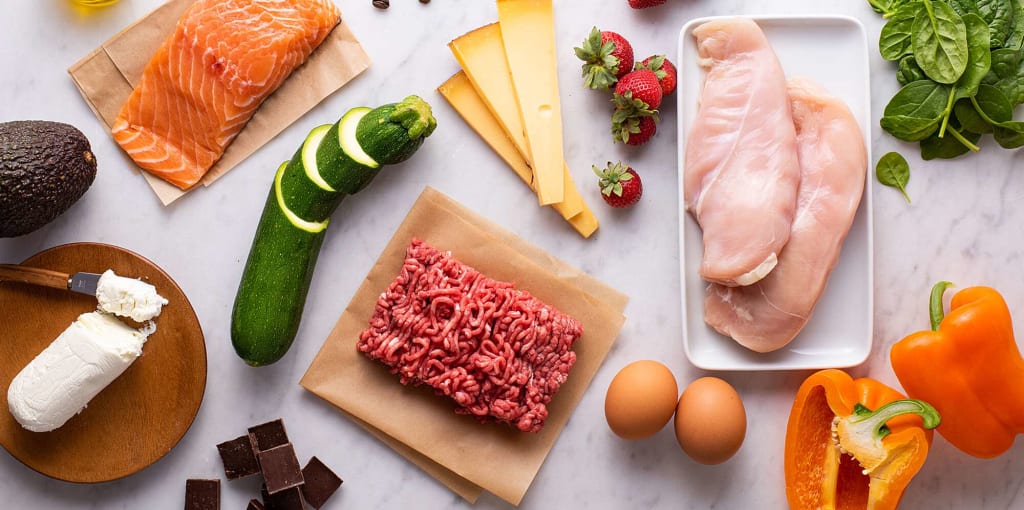
The ketogenic diet, or keto for short, has become a popular way of eating for those looking to lose weight, improve their health, and increase their energy levels. This high-fat, low-carb diet involves consuming foods that are high in healthy fats, moderate in protein, and very low in carbohydrates. By drastically reducing carbohydrate intake, the body enters a state of ketosis, where it begins to burn fat for fuel instead of glucose.
If you're looking to start a keto diet, it's important to do it right. Here's the ultimate keto plan to help you get started and achieve your health and weight loss goals.
Step 1: Calculate Your Macros
Before you start any diet, it's important to know your specific calorie and macronutrient needs. This will help you determine how much food you need to eat each day to achieve your goals. Use an online keto calculator to determine your ideal calorie and macronutrient intake.
On a keto diet, your macronutrient breakdown should be as follows:
70-75% of calories from healthy fats
20-25% of calories from protein
5-10% of calories from carbohydrates
Step 2: Stock Up on Keto-Friendly Foods
To be successful on a keto diet, you need to have plenty of keto-friendly foods on hand. This includes:
Healthy fats: coconut oil, olive oil, avocado oil, grass-fed butter, ghee, nuts, seeds, and fatty fish like salmon and tuna.
Protein sources: grass-fed beef, free-range chicken and turkey, pork, lamb, and wild-caught fish.
Low-carb vegetables: leafy greens, broccoli, cauliflower, zucchini, asparagus, and bell peppers.
Keto-friendly fruits: berries, such as strawberries, blackberries, and raspberries.
Dairy: full-fat cheese, heavy cream, and sour cream.
Step 3: Plan Your Meals
Once you have your macros calculated and your kitchen stocked with keto-friendly foods, it's time to start planning your meals. This will help you stay on track and ensure that you're getting all of the nutrients you need.
A typical day on a keto diet might look like this:
Breakfast: eggs cooked in grass-fed butter with avocado and spinach.
Snack: handful of almonds or macadamia nuts.
Lunch: grilled chicken with a side of roasted broccoli drizzled with olive oil.
Snack: celery sticks with almond butter.
Dinner: baked salmon with a side of sautéed asparagus and a mixed green salad with olive oil and vinegar dressing.
Step 4: Stay Hydrated
Drinking plenty of water is essential on a keto diet. When you reduce your carbohydrate intake, your body loses water weight, so it's important to stay hydrated to avoid dehydration. Aim to drink at least eight glasses of water per day, and consider adding electrolyte supplements or drinking bone broth to help balance your electrolytes.
Step 5: Avoid Hidden Carbs
One of the biggest challenges of a keto diet is avoiding hidden carbs. Many processed foods, even those labeled as "low-carb," contain hidden sugars and carbs that can kick you out of ketosis. Be sure to read the labels on all packaged foods and avoid foods that contain added sugars, high-fructose corn syrup, and other high-carb ingredients.
Step 6: Consider Intermittent Fasting
Intermittent fasting is a popular eating pattern that involves alternating periods of fasting and eating. This can be a helpful tool for those on a keto diet, as it can help increase fat burning and improve insulin sensitivity. Consider starting with a 16:8 fasting schedule, where you fast for 16 hours and eat within an 8-hour window.
Step 7: Listen to Your Body
As with any diet, it's important to listen to your body and adjust as needed. Some people may find that they need more or less protein or fat than the recommended macros, or may have trouble staying in ketosis due to certain food sensitivities. Keep track of how you feel and make adjustments as needed to ensure that you're getting the most out of your keto diet.
In conclusion, the ultimate keto plan involves calculating your macros, stocking up on keto-friendly foods, planning your meals, staying hydrated, avoiding hidden carbs, considering intermittent fasting, and listening to your body. With this plan, you can achieve your health and weight loss goals while enjoying delicious, satisfying foods. Remember to consult with your doctor before starting any new diet, especially if you have any underlying health conditions.
https://www.digistore24.com/redir/283755/JBOB999/
About the Creator
Keep reading
More stories from writers in Families and other communities.
The Motherhood Trap: Why We Need to Stop Romanticizing Female Sacrifice
The video starts at 11:30 PM. A large family dinner has just ended. The scene is chaotic: plates piled high with leftovers, remnants of food scattered across the table, and children’s toys covering every inch of the floor. In the kitchen, pots and pans are a tangled mess. On the sofa, a husband is fast asleep, oblivious to the world.
By Elena Vance 3 days ago in Families
Instructions Included Challenge Winners
For the Instructions Included challenge, we asked writers to tell a story through instructions and to trust the form to carry what could not be said outright. Across the top entries, that trust paid off in many different ways.
By Vocal Curation Team6 days ago in Resources




Comments