
Maintaining a Healthy Heart
A Comprehensive Guide to Cardiovascular Wellness

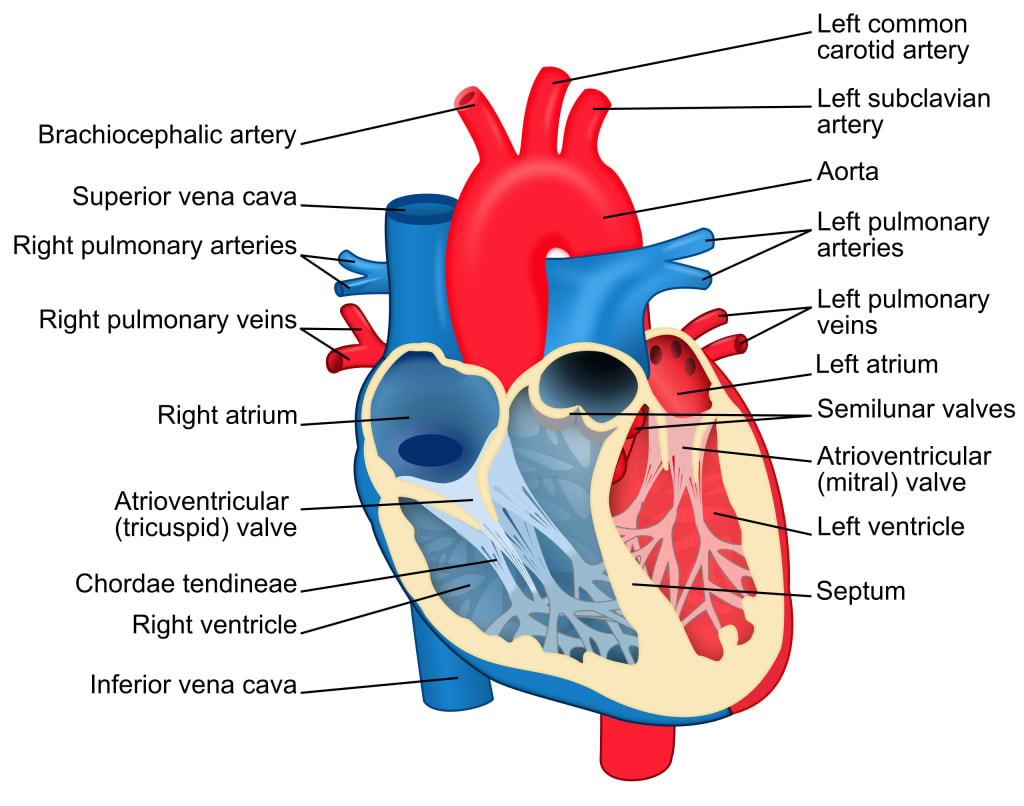
Introduction:
A healthy heart is the foundation of overall well-being and longevity. With cardiovascular diseases being a leading cause of morbidity and mortality worldwide, prioritizing heart health is crucial. Adopting a comprehensive approach that encompasses various lifestyle factors can significantly reduce the risk of heart-related ailments. In this comprehensive guide, we will delve into the key aspects of maintaining a healthy heart, including regular physical activity, a balanced diet, stress management, quality sleep, avoidance of harmful habits, and regular medical check-ups.
Regular Physical Activity:
Engaging in regular physical activity is vital for cardiovascular health. Exercise strengthens the heart muscle, improves blood circulation, and helps maintain a healthy weight. Aim for at least 150 minutes of moderate-intensity aerobic exercise or 75 minutes of vigorous-intensity aerobic exercise per week. Include activities such as brisk walking, jogging, cycling, swimming, or dancing. Additionally, incorporate strength training exercises at least twice a week to enhance muscle strength and endurance. Remember to consult with a healthcare professional before starting any new exercise regimen, especially if you have pre-existing medical conditions.
Balanced Diet:
A balanced and nutritious diet is essential for a healthy heart. Focus on consuming a variety of fruits, vegetables, whole grains, lean proteins, and healthy fats. These foods provide essential nutrients, fiber, and antioxidants that support heart health. Limit the intake of saturated and trans fats, cholesterol, sodium, and added sugars. Opt for sources of healthy fats like nuts, seeds, avocados, and olive oil. Choose lean protein sources such as fish, poultry, legumes, and tofu. Reduce processed and packaged foods, as they often contain unhealthy additives. Practice portion control to maintain a healthy weight and prevent overeating.
Stress Management:
Chronic stress can have a detrimental impact on heart health. Implementing effective stress management techniques is crucial. Engage in activities that help you relax and unwind, such as deep breathing exercises, meditation, yoga, or engaging hobbies. Prioritize self-care and allocate time for activities that bring you joy and peace. Maintain a healthy work-life balance and set realistic goals to avoid excessive pressure. Cultivate strong social connections and seek support from loved ones. If needed, consider professional help to manage stress effectively. Regular exercise, adequate sleep, and practicing mindfulness can significantly reduce stress levels and promote cardiovascular wellness.
Quality Sleep:
Adequate and restful sleep plays a vital role in maintaining a healthy heart. Aim for 7-9 hours of quality sleep each night. Poor sleep quality and duration have been associated with an increased risk of high blood pressure, obesity, diabetes, and heart disease. Establish a consistent sleep schedule, create a sleep-friendly environment, and practice a relaxing bedtime routine. Minimize exposure to electronic devices before bed, as the blue light emitted can disrupt sleep patterns. Avoid consuming stimulating substances like caffeine or large meals close to bedtime. If you experience sleep problems, such as sleep apnea or insomnia, consult a healthcare professional for guidance and appropriate treatment options.
Avoidance of Harmful Habits:
Certain habits can significantly increase the risk of heart disease. Smoking is one of the most damaging habits for cardiovascular health, leading to the narrowing and hardening of arteries. Quitting smoking can have immediate and long-term benefits for heart health. Avoid exposure to secondhand smoke as well. Excessive alcohol consumption should also be avoided, as it can elevate blood pressure and contribute to various heart-related issues. If you choose to drink, do so in moderation according to the recommended guidelines. Illicit drug use, particularly stimulants like cocaine, can have detrimental effects on the heart and should be avoided entirely.
Regular Medical Check-ups:
Regular medical check-ups and screenings are essential for maintaining a healthy heart. Consult with your healthcare
About the Creator
Keep reading
More stories from tolha adetunji and writers in Families and other communities.
Blood Pressure
Blood pressure is a critical aspect of our cardiovascular health and plays a significant role in maintaining overall well-being. Here's a detailed note on blood pressure, including its definition, measurement, factors affecting it, and ways to manage and maintain healthy levels:
By tolha adetunji3 years ago in Longevity
Wise~Guys
— Look Behind what's in Front of You ~ Make Good Choices — Hey, So how you Doin'..! Made~Men — Mobster Movies romanticise a distinctive, elegant appearance, impeccable attire style, along with the 'Families' expressive lingo. Making their 'Bones' gave them Panache — with vintage fedoras, tailored pin-striped suits, mirror-polished wing-tip shoes adorned with tassels; with their 'Gun Moll' gorgeous dates on their arms.
By Jay Kantor29 days ago in Families
What Is Independent Living and Why Are More Seniors Choosing It?
Imagine that you have your days back. No home maintenance worries. No coercion to drop independence. Enough time to take morning strolls, socialize and take things at your own time. This is no dream to many older adults; it is the reality of living on their own.
By Alice Outlawabout an hour ago in Families




Comments
There are no comments for this story
Be the first to respond and start the conversation.