
Mahalakshmi chalisa Mantra Pooja Stotram Benefits
Unlocking the Blessings of Mahalakshmi: Benefits of the Chalisa, Mantra, and Pooja

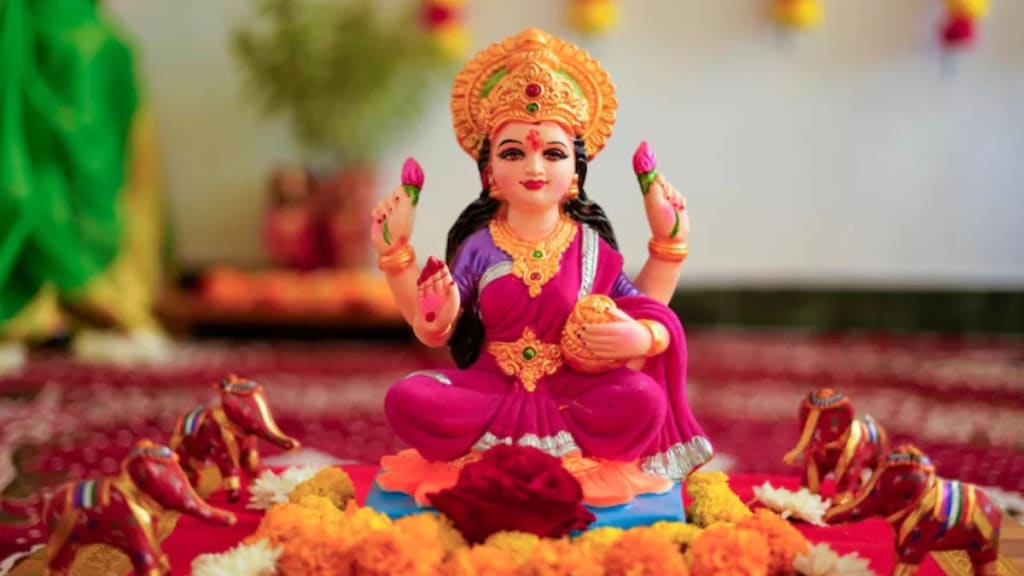
The Mahalakshmi Chalisa is a 40-verse devotional hymn dedicated to Goddess Mahalakshmi, the Hindu goddess of wealth, prosperity, and fortune. Reciting the Chalisa is believed to invoke the blessings of Mahalakshmi, bringing material wealth, spiritual prosperity, and happiness into one's life. Each verse praises her qualities, divine attributes, and her role as a provider of success and abundance.
Mahalakshmi chalisa Benefits
The Mahalakshmi Chalisa is believed to offer several spiritual and material benefits to devotees. Here are some of the key benefits:
1. Attracting Wealth and Prosperity
Regular recitation is believed to invoke the blessings of Goddess Mahalakshmi, who is considered the deity of wealth and abundance. This can lead to financial stability and the removal of financial obstacles.
2. Promoting Peace and Harmony
The Chalisa helps to create a peaceful and positive environment. It is thought to bring calmness, reduce stress and anxiety, and foster harmonious relationships in the home.
3. Enhancing Good Fortune and Luck
Chanting the Chalisa can improve one's luck, leading to success in endeavours, whether in business, career, or personal life. It is also thought to open doors for new opportunities.
4. Spiritual Growth and Inner Peace
Beyond material wealth, the Chalisa is beneficial for spiritual growth. It helps devotees connect with the divine, leading to a deeper understanding of spiritual values and inner peace.
5. Removal of Negativity and Obstacles
Reciting the Mahalakshmi Chalisa is believed to ward off negative energies and obstacles, allowing one to move forward in life without hindrance. This includes protection against evil forces or bad luck.
6. Fulfilment of Desires
Devotees recite the Chalisa with specific desires, whether they be related to career advancement, financial goals, or personal aspirations. With sincere devotion, it is believed that Goddess Lakshmi can help fulfil these desires.
7. Protection and Blessings for Family and Home
Chanting the Chalisa regularly is said to bring protection and divine blessings to one's home and family, keeping them safe and prosperous.
8. Bringing Gratitude and Positivity
The Mahalakshmi Chalisa encourages feelings of gratitude for what one has, promoting a positive mindset and a greater appreciation of life’s blessings.
Each form of devotion to Goddess Lakshmi, whether through the Lakshmi Chalisa, Mahalakshmi Mantra, Mahalakshmi Pooja, or Lakshmi Stotram, brings unique benefits. Here’s a breakdown of the advantages associated with each:
Benefits of Chanting Lakshmi Chalisa
Attracts Wealth and Prosperity: Reciting the Chalisa regularly is believed to draw wealth, financial stability, and abundance.
Promotes Peace and Harmony: The Chalisa’s calming effect fosters harmony within the household and workplace.
Enhances Good Fortune: It can improve one’s luck, creating opportunities for success and growth.
Spiritual Development: Chanting the Chalisa helps in cultivating spiritual awareness and inner peace.
Removes Obstacles: It is said to clear financial and personal obstacles, paving the way for new achievements.
Family and Home Protection: Regular recitation brings divine protection and blessings to one's family and home.
Benefits of Chanting Mahalakshmi Mantra
Invokes Goddess Lakshmi’s Presence: Chanting the mantra is believed to invite the divine energy of Lakshmi, enhancing prosperity and abundance.
Clears Financial Issues: Many devotees find that chanting the mantra helps in overcoming financial hardships and debts.
Brings Positive Energy and Good Luck: It is said to attract positive vibes, opportunities, and good fortune.
Boosts Confidence and Success: The mantra helps to focus the mind, improving mental clarity and confidence in personal and professional pursuits.
Spiritual Elevation: Reciting the mantra connects devotees to a higher spiritual vibration, bringing inner peace.
Benefits of Performing Mahalakshmi Pooja
Financial Growth and Stability: This pooja is believed to draw the goddess’s blessings for financial growth, stability, and security.
Removes Poverty and Financial Challenges: Regularly performing the pooja is thought to help overcome financial difficulties and invite abundance.
Strengthens Family Bonds and Happiness: The pooja fosters a peaceful and joyful atmosphere within the home, enhancing relationships.
Protects Against Misfortune: Mahalakshmi Pooja is said to shield devotees from misfortune, promoting a positive and prosperous life.
Fulfilment of Material and Spiritual Desires: The pooja is performed not just for wealth but also to achieve balance and fulfilment in all areas of life.
Benefits of Chanting Lakshmi Stotram
Attracts Wealth and Abundance: The Stotram is recited to invoke the blessings of Goddess Lakshmi for wealth, prosperity, and abundance.
Removes Negative Energies: It is believed to purify the environment and dispel negative energies from the surroundings.
Increases Mental Clarity and Focus: Chanting the Stotram regularly can enhance concentration, mental clarity, and spiritual focus.
Improves Luck and Opens Opportunities: It is thought to improve one’s luck, opening the doors to new opportunities and pathways to success.
Grants Protection and Well-being: The Stotram is recited for general protection, well-being, and happiness for the individual and their family.
Spiritual Upliftment: Beyond material gains, the Lakshmi Stotram fosters a deeper connection with the divine, bringing peace and a sense of contentment.
FAQs
1. Who is Goddess Mahalakshmi?
Goddess Mahalakshmi is a principal deity in Hinduism, worshipped as the goddess of wealth, prosperity, and beauty. She is the consort of Lord Vishnu and is believed to bring good fortune and prosperity to her devotees.
2. What is the significance of Mahalakshmi in Hinduism?
Mahalakshmi symbolises wealth, beauty, fertility, and abundance. She is considered the embodiment of good fortune and is worshipped to bring success, material wealth, and spiritual prosperity.
3. What is the story behind Mahalakshmi?
According to Hindu mythology, Mahalakshmi emerged from the ocean during the churning of the ocean (Samudra Manthan) by the gods and demons. She chose Lord Vishnu as her consort and has since been associated with wealth and prosperity.
4. When is Mahalakshmi worshipped?
Mahalakshmi is worshipped daily, but special rituals and celebrations are held during Diwali, especially on the day of Dhanteras and Lakshmi Pooja. Fridays are also considered auspicious for her worship.
5. What are some popular forms of Mahalakshmi?
Mahalakshmi is worshipped in several forms, including Ashta Lakshmi, representing eight aspects of wealth and prosperity, such as Adi Lakshmi, Dhana Lakshmi, and Dhanya Lakshmi.
6. How is the Mahalakshmi Puja performed?
The puja involves offerings of flowers, sweets, and lights. Devotees light oil lamps and place them around the home, praying for prosperity and removing financial difficulties. Chanting Lakshmi mantras is also common during this puja.
7. What are the benefits of worshipping Mahalakshmi?
Worshipping Mahalakshmi is believed to bring financial stability, prosperity, success in business, and abundance. It is also said to enhance beauty, happiness, and spiritual well-being.
8. What are some popular Mahalakshmi mantras?
Popular mantras include the Mahalakshmi Ashtakam and the mantra "Om Shreem Maha Lakshmiyei Namaha." These mantras are chanted to invoke her blessings for wealth and prosperity.
9. What are the symbols associated with Mahalakshmi?
Mahalakshmi is often depicted with a lotus, which symbolises purity and spiritual power. She is also shown with coins flowing from her hands, representing wealth, and is flanked by elephants, symbolising royal power and auspiciousness.
10. What is the Mahalakshmi Vrat?
Mahalakshmi Vrat is a Hindu fasting ritual observed mainly by women to seek blessings from the goddess. It is observed for 16 days in some traditions and involves daily worship and recitation of prayers.
About the Creator
DINESH KUMAR SHARMA
i am a writer and a investor
Keep reading
More stories from DINESH KUMAR SHARMA and writers in Families and other communities.
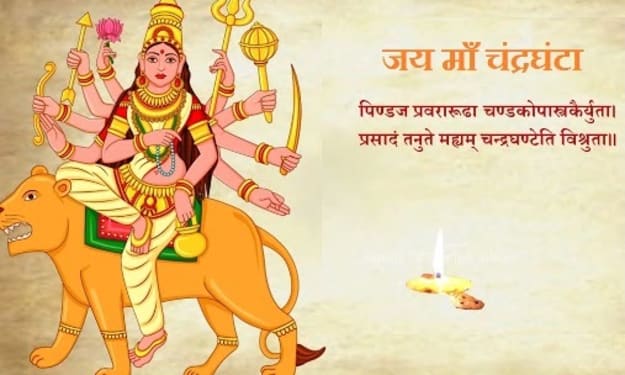
The Radiant Power of Goddess Chandraghanta: A Journey of Courage and Spirituality
Goddess Chandraghanta is worshipped as the third form of the nine manifestations of Goddess Durga. On the third day of Navratri, devotees worship Goddess Chandraghanta with deep devotion. Her form is considered a symbol of power, courage, and beauty. The name "Chandraghanta" comes from the crescent moon (Chandra) shaped like a bell (Ghanta) adorning her forehead. This form of the goddess reflects both calmness and readiness for battle.
By DINESH KUMAR SHARMAabout a year ago in Families
Why Didn't Anyone Tell Us
Men, move along. This is not for you. This is for the women. I was forty-five when I began menopause. It is pretty young for that to be going on in a woman’s life, but I had undiagnosed PCOS, my entire life. Thank you to all the gynecologists I had seen my entire life. That in itself should encourage women to keep seeking second opinions, especially when you are not getting correct answers or any at all.
By Alexandra Grant6 days ago in Humans



Comments
There are no comments for this story
Be the first to respond and start the conversation.