
Lyme Disease 2025: Symptoms, Causes, and Latest Health Updates
Find out how Lyme disease spreads, signs to look for, and what’s happening in 2025

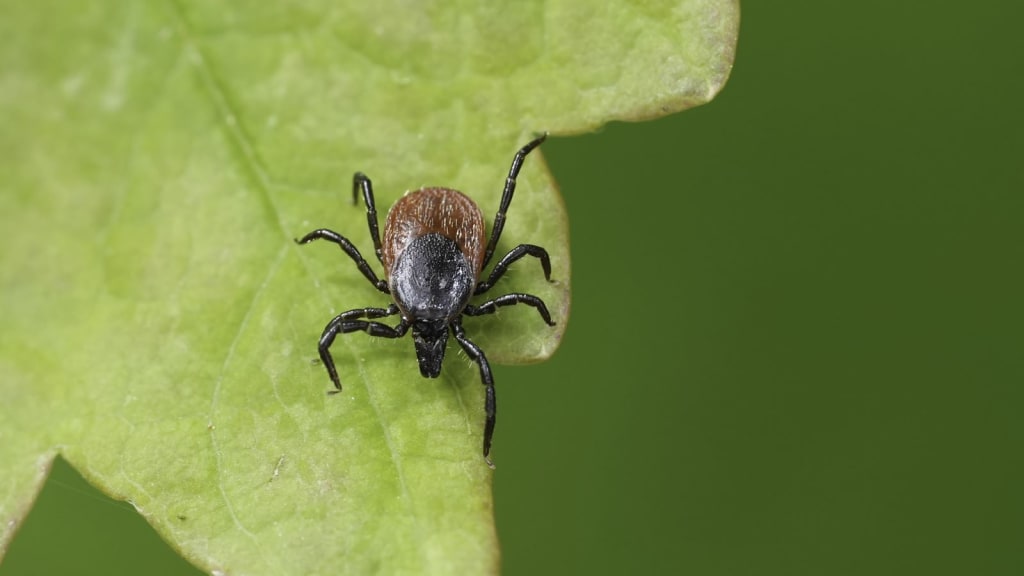
Lyme disease is a growing health concern in many countries, especially in North America and Europe. As of 2025, more people are learning about this disease due to a rise in cases and increased awareness. Lyme disease can affect both children and adults, and it often starts with symptoms that seem minor but can turn serious if not treated in time.
This article explains what Lyme disease is, how it spreads, its symptoms, causes, treatments, and the most recent updates in 2025. Whether you're concerned about your health or just want to stay informed, this guide will help you understand the important facts.
What Is Lyme Disease?
Lyme disease is an infection caused by bacteria known as Borrelia burgdorferi. It is spread to humans through the bite of an infected black-legged tick, also called a deer tick.
Not every tick bite leads to Lyme disease. The tick must be infected and attached to the skin for about 36 to 48 hours to pass the bacteria into the body.
How Do People Get Lyme Disease?
The most common way people get Lyme disease is through outdoor activities like hiking, gardening, or walking in grassy or wooded areas. Ticks usually live in damp places with tall grass or leaf piles. When a person walks through these areas, a tick can attach to their skin without them noticing.
People who spend a lot of time outdoors are more at risk, especially during spring and summer months when ticks are more active.
Who Is at Risk?
Anyone can get Lyme disease, but the risk is higher for:
- Campers and hikers
- Children playing in grassy areas
- Pet owners
- Gardeners
- Forest workers
People who live in rural or semi-rural areas, especially in the northeastern, midwestern, and western parts of the United States, have a greater chance of being exposed.
Common Symptoms of Lyme Disease
Lyme disease often starts with mild symptoms that can be confused with the flu or other illnesses. Early signs usually appear within 3 to 30 days after the tick bite. The most common early symptoms include:
- Fever
- Chills
- Headache
- Tiredness
- Muscle or joint pain
- Swollen lymph nodes
- A red rash that looks like a “bull’s-eye” (called erythema migrans)
This rash may expand over time and can appear in more than one area of the body.
If Lyme disease is not treated in the early stage, it can lead to more serious problems weeks or months later, such as:
- Stiff neck
- Pain or swelling in large joints (like knees)
- Numbness or weakness in hands or feet
- Heart problems (like irregular heartbeat)
- Problems with memory or concentration
Stages of Lyme Disease
Lyme disease can be divided into three stages:
1. Early localized stage:
- Symptoms are usually mild and limited to the area around the tick bite.
- The rash may appear and you may feel flu-like symptoms.
2. Early disseminated stage:
- The bacteria spread through the body.
- You may experience pain in different joints, more rashes, and facial weakness.
3. Late stage:
- Occurs if the disease is not treated.
- It may lead to joint pain, nerve problems, and brain inflammation.
Diagnosis of Lyme Disease
Doctors usually begin by asking about recent outdoor activities and looking for a rash. They may perform a physical exam and order blood tests to check for antibodies. These tests are more accurate a few weeks after the infection starts because it takes time for the body to produce antibodies.
Sometimes, a clear diagnosis is made based on symptoms and the presence of the rash, especially if the patient was in a known tick area.
How Is Lyme Disease Treated?
Treatment is most effective when started early. The standard treatment is a course of antibiotics, usually for 2 to 4 weeks. Most people recover fully with proper treatment. Common antibiotics include doxycycline, amoxicillin, or cefuroxime.
In later stages, or when symptoms are more serious, stronger antibiotics may be given through a vein (IV).
Can Lyme Disease Be Prevented?
Yes, prevention is possible by taking simple precautions. Here are some useful tips:
- Avoid walking in tall grass or wooded areas, especially in warmer months.
- Wear long sleeves, pants, and closed shoes when in tick-prone areas.
- Use insect repellents with DEET or permethrin.
- Check your body and clothes after coming indoors.
- Shower within two hours of being outside.
- Inspect pets regularly for ticks.
If you find a tick on your skin, remove it with tweezers as soon as possible. Grasp the tick close to the skin and pull it out slowly without twisting. Clean the bite area with soap and water.
Latest Health Updates in 2025
In 2025, several developments have helped improve awareness and care for Lyme disease:
1. New Testing Methods:
Medical labs are using faster and more accurate blood tests to identify Lyme disease. These tests can detect the infection earlier, which allows for quicker treatment.
2. Vaccine Research:
A new Lyme disease vaccine is in the final stage of testing. If approved, it could help reduce the number of cases in areas where the disease is common.
3. Public Awareness Campaigns:
Health departments in high-risk regions are running educational programs about how to prevent tick bites and when to seek medical help.
4. Tick Population Monitoring:
Some states are tracking tick populations and sharing the data online, helping people understand which areas have higher risk.
5. Natural Tick Control Methods:
Researchers are exploring safe ways to reduce tick populations using natural solutions, such as certain fungi or predators.
Living with Lyme Disease
Some people continue to feel tired or have joint pain even after treatment. This is sometimes called Post-Treatment Lyme Disease Syndrome (PTLDS). Doctors are still studying why this happens. Most people recover over time, but it can take several months.
Staying in touch with a healthcare provider, getting enough rest, and eating a healthy diet can help the recovery process.
When to See a Doctor
You should contact a doctor if you:
- Have a rash that looks like a bull’s-eye
- Feel tired with fever or body aches after spending time outdoors
- Notice symptoms getting worse after a tick bite
- Experience joint pain or nerve symptoms without a clear cause
Early medical attention can prevent serious complications.
Summary of Key Points
- Lyme disease is caused by a bacterium passed from tick bites.
- Symptoms may start with fever, fatigue, and a red rash.
- Early treatment with antibiotics is very effective.
- Prevention includes tick checks and wearing protective clothing.
- New research in 2025 is helping improve testing and awareness.
- A possible vaccine is being studied for future protection.
Final Thoughts
Lyme disease can be serious, but it is also preventable and treatable. Understanding the symptoms and knowing when to seek care can make a big difference. In 2025, with better testing and more awareness, people have more tools to protect themselves and their families.
Stay informed, take care during outdoor activities, and talk to a doctor if you notice any signs of illness. Early steps lead to better outcomes and a healthier life.
About the Creator
Wise~Guys
— Look Behind what's in Front of You ~ Make Good Choices — Hey, So how you Doin'..! Made~Men — Mobster Movies romanticise a distinctive, elegant appearance, impeccable attire style, along with the 'Families' expressive lingo. Making their 'Bones' gave them Panache — with vintage fedoras, tailored pin-striped suits, mirror-polished wing-tip shoes adorned with tassels; with their 'Gun Moll' gorgeous dates on their arms.
By Jay Kantor17 days ago in Families
Filial Piety: Appreciating the Cycle of Asian Justice
Filial Piety is the central part of a Confucian value system concerned with the need to produce beneficial patterns from children who are expected to care for their parents. According to Confucius, a variety of virtues are needed to maintain a strong society: filial piety, righteousness, love, loyalty, sincerity, justice, tranquility, moderation, and harmony.
By WILD WAYNE : The Dragon Kingabout 24 hours ago in Families




Comments
There are no comments for this story
Be the first to respond and start the conversation.