
Low-Stimulation Activities for Overwhelmed Toddlers: Gentle Ways to Calm and Engage
Gentle, Calming Activities to Help Toddlers Cope with Sensory Overload and Reduce Tantrums Naturally

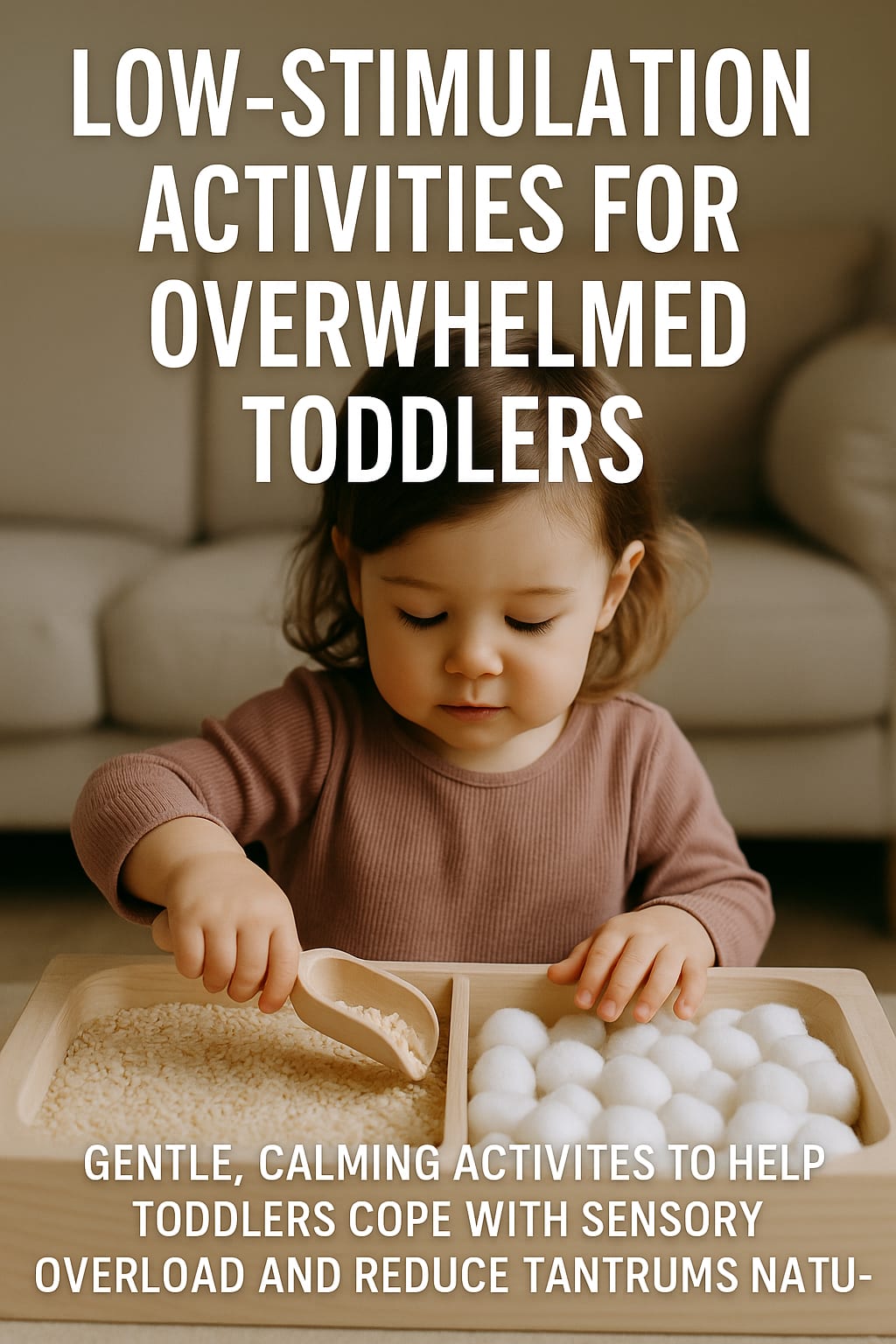
In today’s fast-paced, hyper-stimulating world, toddlers can easily become overwhelmed. Bright lights, loud sounds, crowded spaces, and constant activity may lead to meltdowns, irritability, or a sudden withdrawal. As a parent or caregiver, recognizing the signs of sensory overload is crucial. Equally important is knowing how to provide relief through calm, low-stimulation activities designed to soothe and reset.
Below, we explore thoughtfully chosen activities that offer toddlers a chance to decompress while still engaging their curiosity and developmental needs.
Understanding Overstimulation in Toddlers
Toddlers are naturally curious explorers. Their senses are in overdrive, soaking in sights, sounds, textures, and smells. But their young nervous systems aren’t fully developed, meaning they can’t always regulate how they respond to external stimuli.
What might seem like a fun birthday party to adults—filled with music, people, and games—can quickly become overwhelming to a toddler.
Signs of overstimulation may include:
- Sudden tantrums or crying spells
- Clinginess or refusal to engage
- Covering ears or eyes
- Difficulty sleeping or resting
- Irritability without a clear cause
Once you notice these cues, it’s time to guide your little one toward quiet, grounding experiences.
1. Sensory Bins with Neutral Elements
Sensory bins don’t always have to be bright or flashy. A calm, monochromatic bin with materials like uncooked rice, oats, cotton balls, or water beads can provide gentle tactile exploration without visual overload. Add scoops, wooden spoons, or simple containers to encourage pouring, scooping, and filling.
Why it works: These materials are soft, quiet, and predictable. They allow the toddler to focus on touch and movement in a slow, controlled environment.
2. Reading Softly in a Cozy Space
Books offer a beautiful form of escape, especially when paired with a nurturing voice. Choose simple board books or picture books with soft illustrations and minimal text. Create a reading nook using pillows, blankets, and a few plush toys. Dim the lighting and speak in a soothing tone.
Tip: Let your child choose the book. Giving them a sense of control helps reduce feelings of overwhelm.
3. Water Play Without Noise
Water is inherently calming. Fill a shallow tub or sink with warm water and provide a few basic items like sponges, cups, or rubber ducks. Avoid noisy or mechanical toys. The focus should be on slow, repetitive motions—squeezing, pouring, and floating.
Safety reminder: Never leave a toddler unattended near water, even for a moment.
4. Simple Nature Walks
A stroll through a quiet park, a backyard, or even a tree-lined street can have profound calming effects. Let your toddler walk at their own pace. Stop to watch ants, collect leaves, or listen to birds. Keep conversation minimal; allow nature to do the talking.
Why it matters: Nature engages the senses gently and can restore a sense of calm. Even a 10-minute walk can lower stress levels for both child and adult.
5. Creative Time with Soft Materials
Art doesn’t have to be messy or overwhelming. Offer a single-color crayon and a large sheet of paper. Let your child draw freely. Alternatively, explore play dough in muted tones, offering a quiet space for squeezing, rolling, and shaping.
Avoid loud craft supplies like glitter or materials that require a lot of instruction.
6. Gentle Music and Movement
Instead of energetic dance parties, try slow, flowing movements set to soft lullabies or instrumental music. Rocking, swaying, or stretching together helps toddlers feel grounded. Baby yoga or guided movement games can be adapted to your child’s energy level.
Bonus: Movement paired with rhythm improves emotional regulation and body awareness.
7. Puzzles and Matching Games
Choose puzzles with simple images and fewer pieces. Wooden puzzles with knobs are ideal. Matching games with soft colors and familiar shapes help develop cognitive skills without creating mental fatigue.
Keep it light: Allow them to stop when they lose interest. These games should offer focus—not pressure.
8. Quiet Observation Activities
Give your child a window seat or a cozy spot on the porch to simply watch the world. Whether it’s leaves blowing in the wind, clouds drifting by, or cars passing, observation builds mindfulness.
Optional: Offer a soft snack like a banana or a slice of toast. Eating while observing can be grounding.
The Power of Stillness
In a society that often prizes productivity and action, the value of stillness is frequently overlooked—especially for children. But quiet moments are not empty; they are fertile. They allow toddlers to recalibrate, to process their environment, and to simply be.
As a caregiver, your calm presence is the greatest gift you can offer in these moments. Speak softly. Move slowly. Let go of the expectation to “do” and embrace the power of simply being together.
Not every moment has to be a teachable one. Sometimes, the best support for an overwhelmed toddler is silence, soft textures, warm light, and the steady beat of a heart close by.
Low-stimulation activities don’t just help children decompress—they build trust, connection, and emotional resilience.
Whether you choose a quiet book corner, a splash of warm water, or a walk under the trees, the message to your child is clear: You are safe, and it's okay to slow down.
About the Creator
Richard Bailey
I am currently working on expanding my writing topics and exploring different areas and topics of writing. I have a personal history with a very severe form of treatment-resistant major depressive disorder.
Keep reading
More stories from Richard Bailey and writers in Families and other communities.
How to Set Gentle Boundaries Without Time-Outs: Age-by-Age Guide
Setting boundaries is an essential part of parenting. But what happens when you're trying to guide your child without resorting to time-outs? You still want structure—just with a more respectful, connection-based approach. Fortunately, there are gentle, effective ways to establish limits that foster cooperation, self-regulation, and trust.
By Richard Bailey8 months ago in Families
Wise~Guys
— Look Behind what's in Front of You ~ Make Good Choices — Hey, So how you Doin'..! Made~Men — Mobster Movies romanticise a distinctive, elegant appearance, impeccable attire style, along with the 'Families' expressive lingo. Making their 'Bones' gave them Panache — with vintage fedoras, tailored pin-striped suits, mirror-polished wing-tip shoes adorned with tassels; with their 'Gun Moll' gorgeous dates on their arms.
By Jay Kantor19 days ago in Families
Bettijo Hirschi
Introduction Bettijo Hirschi is a multi‑talented creative professional from the United States. She works as a designer, art director, photographer, writer, and event planner. Bettijo has built a long career in creative work and media. People know her for her artistic skills, her work in magazines and television, and her lifestyle blog. She is also known in recent news because of changes in her personal life.
By Farhan Sayed5 days ago in Families
The Devil's Cut
“Comrade, finally you’re awake.” The voice was smooth, sensual. A flickering incandescent bar was all that lit the white, sterile room. All Vladimir remembered was everything going black. He tried to move his arms and found them strapped to the gurney.
By Matthew J. Fromm6 days ago in Fiction




Comments
There are no comments for this story
Be the first to respond and start the conversation.