
Lifestyle Changes to Improve Erectile Dysfunction
Healthy Living Tips to Enhance Erectile Function
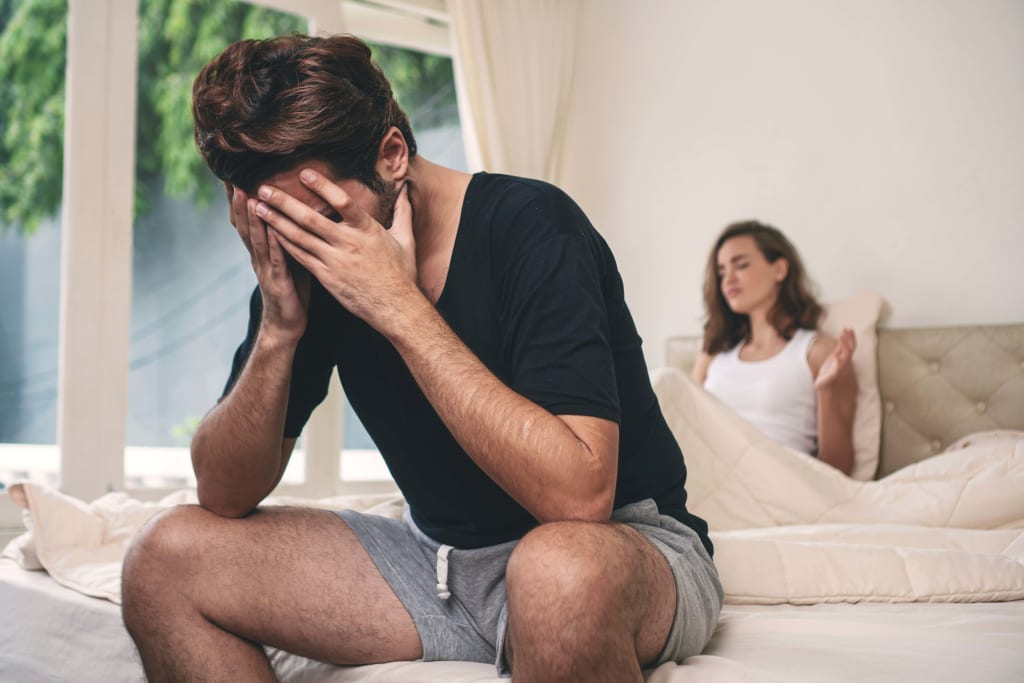
Erectile dysfunction, as you might know already, refers to the inability to maintain or achieve erection - something that hampers one’s chances of sexual intercourse. Luckily, you are not alone! Almost 50% of men over the age of 40 are affected by it to some extent or show signs/ symptoms of erectile dysfunction.
Erectile dysfunction can seriously impact a man’s self-esteem, his relationship, and his quality of life. This brings us to the question - Is there any erectile dysfunction treatment? Well, to put it simply, there is no permanent cure for the problem, but there are a few effective treatments.
In this blog, we will discuss a few lifestyle changes that you can implement to improve your condition and bring about a positive change in your life.
The basic reasons behind erectile dysfunction
Erectile dysfunction can either be due to physical reasons or emotional.
Some of the physical causes that lead to erectile dysfunction include problems in the blood supply or nervous system, hormonal factors, and problems in the blood supply, among the notable. In fact, people with cardiovascular diseases, diabetes, and other health conditions can also suffer from erectile dysfunction.
Some of the various erectile dysfunction treatment options include medications and opting for testosterone replacement therapy. People may also need to go for surgery - either to place an implant or get rid of a blood vessel blockage.
But lifestyle and dietary changes may also help - more when paired with the right medical treatment.
Types of erectile dysfunction
Erectile dysfunction can be categorised into a few different categories.
- Vascular erectile dysfunction: As the name implies, vascular erectile dysfunction includes causes linked to the blood vessels that send blood to the tissues in your penis. The flow of blood to the tissues and valves in the penis is what allows it to get and maintain an erection. That said, vascular erectile dysfunction is the most common type of ED out there.
- Neurogenic erectile dysfunction: Neurogenic erectile dysfunction is associated with problems related to nerves - which directly or indirectly prevent signals from getting transmitted from the brain to the penis. This usually happens due to trauma, radiation therapy, or pelvic surgery. This can also happen due to neurologic conditions such as the likes of spinal stenosis, multiple sclerosis, or stroke.
- Hormonal erectile dysfunction: This is again pretty self-explanatory! The problem stems from testosterone deficiency or in some cases, even due to thyroid-related issues.
- Psychogenic erectile dysfunction: Psychogenic erectile dysfunction has to do with psychological conditions - ones that affect our behaviour, feelings, and thoughts. All this can play a role in erectile dysfunction.
Dealing with erectile dysfunction the natural way
Let’s face it, living with erectile dysfunction can be downright frustrating. Luckily, there are natural ways to support your body while you undergo erectile dysfunction treatment. In fact, making a few lifestyle changes can go a long way in improving your sexual health and overall well-being.
- Get moving: Physical activity is perhaps one of the most effective ways to boost blood flow and improve vascular health - both of which are much needed for healthy sexual function. However, you do not need to over exert yourself. Something as simple as walking for 30 minutes a day can also reduce the risk of erectile dysfunction by about 41%. That’s a small effort with a big payoff!
- Lose weight: Excess weight, especially around the midsection, puts a strain on your heart and hormones. Did you know that a man with a 42-inch waist is 50% more likely to experience erectile dysfunction with a 32-inch waist? So, shedding those extra kilos will not only help with erectile issues, but also boost your energy, mood, and confidence in bed.
- De-stress: When your body is stressed, it produces more cortisol, which may interfere with the hormones needed for sexual arousal. Moreover chronic stress affects mental health - directly affecting your sexual performance. This is where stress-reducing activities like yoga, deep-breathing, or even just staying away from your phone, the internet, and the television, can help. A calm mind often leads to better results in one’s erectile dysfunction treatment journey.
- Stay sexually active: Another simple yet effective tip is to stay sexually active - even if you're having difficulty achieving a full erection. In fact, according to experts, stimulation keeps the blood flowing and helps maintain the health of your penile tissue.
- Eat healthy: Last but not least, a diet full of processed foods and unhealthy fats can clog your arteries and can hurt blood circulation. This is why you should go for a diet rich in fruits, vegetables, lean proteins, and healthy fats. Say no to sugary snacks for healthier options. However, you can do so gradually, instead of a complete overhaul overnight.
While natural strategies won’t completely replace medical care, these act as a catalyst in your erectile dysfunction treatment. Together, they can significantly improve your outcome and help you be in more control of your life.
Key takeaway
Erectile dysfunction treatment usually begins with reviewing your medical history. Questions related to your personal and sexual history may make you feel a bit awkward, but answers to those questions can help the healthcare provider determine the cause behind it.
If you are really looking forward to dealing with erectile dysfunction, you must engage in vigorous cardiovascular exercise for at least 45 minutes. This can include brisk walking, jogging, jumping rope, bicycling, and swimming. That said, quitting smoking can also bring about a notable change and help you fight erectile dysfunction. Couple that with oral medications, and you will seriously benefit.
Still wondering whether erectile dysfunction will eventually go away? Well, it will not go away without changes to your lifestyle or some kind of treatment. So, consult with a health practitioner now and try to bring about the lifestyle changes we’ve mentioned for the best results.
About the Creator
Keep reading
More stories from William David and writers in Families and other communities.
The beneficial impact of Weight Maintenance Injections in Surbiton
Maintaining weight indeed is a journey. There are people for whom following a particular diet and exercise may not prove to be sufficient to maintain the kind of weight they wish to have. So for them it is best to consider the option of weight loss medication. This is precisely where the weight loss or weight maintenance injections come into play. These medications lend a helping hand to get rid of the excess weight that tends to create a lot of trouble. Appetite suppressant - that is what these injections act as and they help to reduce hunger.
By William David11 months ago in Writers
How Domestic Violence Allegations Impact Divorce and Timesharing in Florida
The Serious Role Domestic Violence Plays in Family Court Domestic violence allegations can significantly affect the outcome of a Florida divorce, especially when children are involved. Family courts treat any claim of violence—whether physical, emotional, or psychological—with the highest level of scrutiny. Allegations may influence timesharing, parental responsibility, access to the marital home, and even the overall progression of the case. Understanding how courts evaluate these claims is essential for anyone navigating a divorce in these circumstances.
By Grant Gisondo7 days ago in Families




Comments
There are no comments for this story
Be the first to respond and start the conversation.