
Juki F300 vs. F600: Which Sewing Machine Should You Choose?
Thinking about getting a new sewing machine?

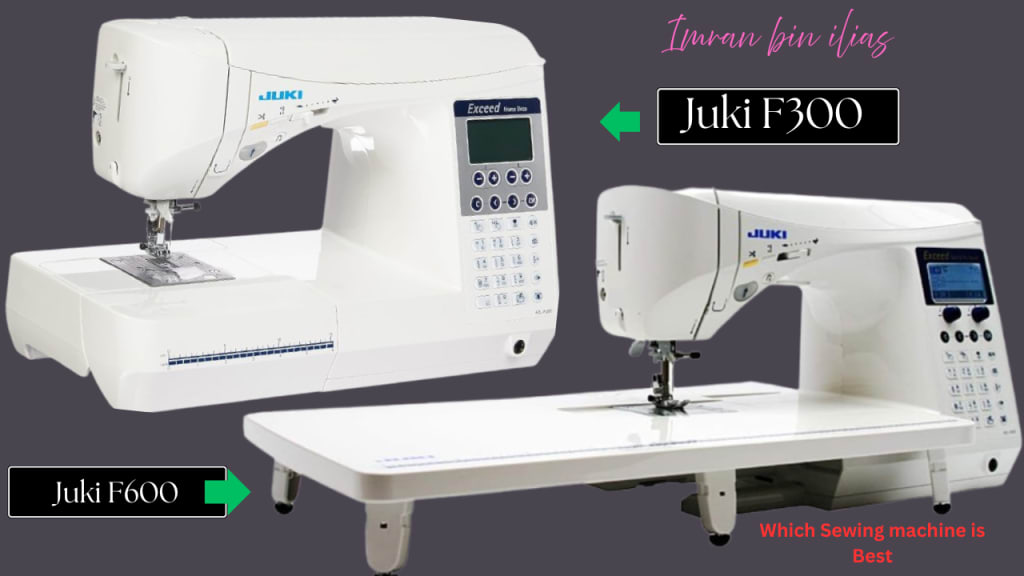
Two popular choices are the Juki F300 and the Juki F600. Both are known for being strong and reliable, but they have some key differences. This guide will help you understand what each machine offers so you can decide which one is the best fit for your sewing needs and budget. We'll look at what they can do, how easy they are to use, and if they're worth the investment. Let's dive in and see which Juki might be your perfect sewing partner!
✅ Check the latest deals: copy and paste link secure your browser
👉JUKI HZL-F300 = https://amzn.to/3GJxgK3
👉 JUKI HZL-F600 = https://amzn.to/454UrIC
Key Takeaways
The main stuff to know about the Juki F300 and F600:
- Same Inside, Different Outside: Both machines have the same basic guts and size, but they have different extras and stitch choices.
- More Stitches on the F600: The F600 has way more built-in ways to stitch (225) and more alphabet styles (4) than the F300 (106 stitches, 3 alphabets).
- Same Speed: Both can sew pretty fast, up to 900 stitches every minute.
- F600 Comes with Extras: The F600 includes some handy things like a bigger work table and a lever you can use with your knee to lift the presser foot. You have to buy these extra for the F300.
- Better Lighting on F600: The F600 has two lights, while the F300 only has one. This can make it easier to see what you're sewing.
- Price vs. Features: If you're a more advanced sewer or quilter, the F600's extra stitches and features might be worth the extra money. If you're just starting out or don't need all those extras, the F300 is a great machine for the price and still works really well.
Overview of Juki F- Series: Power for Your Home
Juki is known for making tough sewing machines for factories. The F-series tries to bring that same strong quality to machines you can use at home. Both the F300 and F600 are computer-controlled and have a powerful way of feeding the fabric. They also make really good buttonholes, which makes them better than many other home sewing machines.
The Juki F300: Great for Getting Started
Think of the F300 as the "Exceed Home Deco." It has 106 different ways to stitch, including 16 kinds of automatic buttonholes and 3 alphabet styles for writing. It has a good amount of space to work (8 inches from the needle to the right and a 12x7 inch base), which is enough for most sewing projects you'd do at home. This machine gives you a lot of good features without costing too much. It's perfect for people who want their sewing to look professional but don't want to pay a super high price.
The Juki F600: More for the Serious Sewer
The F600 is like the F300 but with even more. It has 225 stitch patterns and 4 alphabet styles. It's the same size and weight as the F300, but it comes with some extra things that you have to buy separately for the F300. These include a lever you can use with your knee to lift the presser foot and a bigger table to work on. These extras are really helpful for people who do a lot of quilting or more advanced sewing and want more space and easier ways to work.
Value for Money: Is the F600 Worth the Extra Cost?
The F600 costs more mainly because of three things:
- More Stitches: It has 119 more stitch choices and one extra alphabet style than the F300.
- Extra Goodies: The F600 comes with a big table to work on and a lever you can use with your knee to lift the presser foot. You have to buy these extra for the F300.
- Better Light: The F600 has two lights, while the F300 only has one.
Is it worth it for you?
If you do a lot of quilting or work on big projects often, the bigger table and the knee lever that come with the F600 are really useful right away. If you had to buy them for the F300, the price difference between the two machines wouldn't be as big.
But, if you mostly sew clothes or smaller things, the F300 is a great deal. It sews just as well and just as fast as the F600. You still get a really good machine without spending the extra money.
My Experience with Both Machines
What I found after using both the Juki F300 and F600 a lot:
Same Good Sewing Feel:
When I sewed with both machines, they felt very similar in a good way. They both give you that strong, even stitching that Juki is known for. The way they feed the fabric is powerful, so they can handle sewing through thick layers without struggling.
F300 is Great for Most Things:
For most sewing you'd do at home, the F300 works really well. It makes clean, neat stitches and isn't too loud. But when I was working on big quilting projects, I liked having the bigger table and the extra light on the F600. It just made it easier to see and gave me more room to move the fabric. The F600 also has more fancy stitches to play with, which is fun for decorating. Still, the 106 stitches on the F300 are enough for most basic sewing.
One Thing They Share:
One thing I noticed is that the thread cutter on both machines sometimes leaves little bits of thread hanging. Someone else online said the same thing - you just have to snip those little tails yourself. It's just part of how the cutter works.
How to Use:
How to get your Juki F300 or F600 ready to sew:
First Steps (For Both Machines):
- Find a good spot: Put your machine on a table that won't wobble.
- Check the power: Make sure the electricity in your house is the same as what the machine needs (usually 240V here).
- Put in the needle and foot: Attach the needle and the presser foot that came with the machine.
- Easy threading: Both machines have a cool feature that lets you thread the needle with just one finger. Follow the guide on the machine.
- Get the bobbin ready: Wind the thread onto the bobbin and put it in the machine the way the instructions show.
How to Sew:
- Easy to pick stitches: Both machines have a big screen (LCD) where you can easily find the stitch you want.
- Simple controls: The buttons are easy to understand, and there are even buttons that take you right to the stitches you use most often.
- Cut the thread easily: You can cut the thread with a button or just by pressing the foot pedal with your heel.
- Needle up or down? There's a button to make the needle go up or down. This is really handy when you're quilting or turning corners.
- Perfect buttonholes: Both machines have a special foot for buttonholes that makes them just the right size. You can even change how wide the cut in the middle of the buttonhole is.
Troubleshooting Guide: Common Issues and Solutions
Problem: Thread Nests at the End
Some people have noticed that when the automatic thread cutter snips the thread, it can leave a little loop or mess of thread at the end of your seam. One person online said it's just "how the cutter works" and they just deal with it.
How to Maybe Make It Better: Some people think that how many times you loop the thread when you're first threading the machine might change how long the cut thread is. You could try threading it a little differently to see if it helps.
Problem: Needle Keeps Unthreading
Sometimes, the thread might come out of the needle right after the automatic cutter snips it.
How to Fix It: First, double-check that you've threaded the machine correctly and that the thread is going through all the right little hooks and guides. Like with the thread nests, someone online thought that the number of loops you make when threading might affect how short the cut is. So, try threading it a slightly different way to see if that stops the needle from unthreading.
Tips and Tricks for Maximum Performance
Super Threading:
To make the automatic needle threader work best and last longer, always make sure the needle is all the way up before you use it.
Amazing Buttonholes:
When you're making buttonholes, put a piece of stabilizer (that special fabric that helps keep things firm) under your real fabric. This will help the buttonhole foot work its best and stop your fabric from getting stretched out.
Perfect Thread Tension:
Both machines let you change how tight or loose the thread is. If you're using a special kind of fabric, try out your settings on a scrap piece first. The screen shows you the numbers, so you can write down the settings that work well for different fabrics and use them again later.
Final Talk to Choose Your Juki!
When you're trying to pick between the Juki F300 and F600, think about what you sew most often and how much you want to spend. Both machines are really well-made and will give you great stitching because Juki knows how to build strong sewing machines.
Why the F300 Might Be Right for You:
The F300 is a smart choice if you want a good, strong machine without paying a super high price. It can do all the important sewing jobs and has enough fancy stitches for most things you'd want to make at home. You can always buy the bigger table later if you need it.
Why the F600 Might Be Right for You:
The F600 gives you more right out of the box. It has more stitches, another alphabet style, better lighting, and it comes with the big table and knee lever. If you sew a lot, especially big projects like quilts, these extras might be worth the extra money in the long run.
FAQs About Juki F300 and F600
What's the big difference between the F300 and F600?
The F600 has way more stitches (225 vs. 106), one extra alphabet style, two lights instead of one, and it comes with a bigger work table and a knee lever to lift the presser foot. You have to buy these extra for the F300.
Do they sew at the same speed?
Yep! Both can sew from really slow (80 stitches a minute) to pretty fast (900 stitches a minute).
Are they good for quilting?
Yes, both are okay for quilting. They have a good way of feeding the fabric and a way to lower the parts that move the fabric so you can move it freely. But the F600 comes with the bigger table and knee lever, which makes it easier to work on big quilts.
How do I stop the thread from making a mess at the end?
That seems to be just how the thread cutter works on these machines. Most people just snip those little threads off by hand. Some people think that trying different ways of threading the machine might help.
What comes in the box with these machines?
The F300 comes with 6 different feet to help you sew different things. The F600 comes with even more - 10 feet and 10 other helpful tools. Both come with a special foot for making buttonholes that measures the button for you.
Can they sew thick stuff?
Yes! Both machines have a strong way of moving the fabric, like the ones on Juki's factory machines. So, they can handle thick fabrics like jeans and lots of layers.
About the Creator
Imran.Bin.Ilias
I am new to Vocal Media. Discuss making money from home. Let's review comparing products to see what's best for you. Feel free to join, and I will join for lovings.
Keep reading
More stories from Imran.Bin.Ilias and writers in Families and other communities.
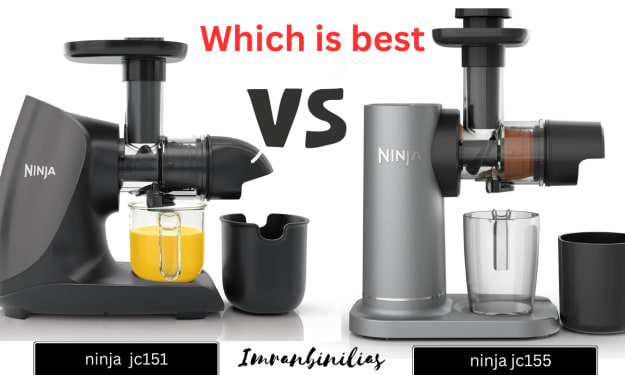
Ninja Jc151 Vs Jc155: Which is Right?
Ninja cold press juicers are getting popular! Trying to choose between the JC151 and JC155? You're in the right place! Both of these Ninja juicers have great things to offer, but they aren't exactly the same. We'll look at the important differences in simple terms. By the end, you'll know which Ninja juicer will be the best helper for your healthy eating plans. Let's get started!
By Imran.Bin.Ilias9 months ago in Families
Wise~Guys
— Look Behind what's in Front of You ~ Make Good Choices — Hey, So how you Doin'..! Made~Men — Mobster Movies romanticise a distinctive, elegant appearance, impeccable attire style, along with the 'Families' expressive lingo. Making their 'Bones' gave them Panache — with vintage fedoras, tailored pin-striped suits, mirror-polished wing-tip shoes adorned with tassels; with their 'Gun Moll' gorgeous dates on their arms.
By Jay Kantor17 days ago in Families
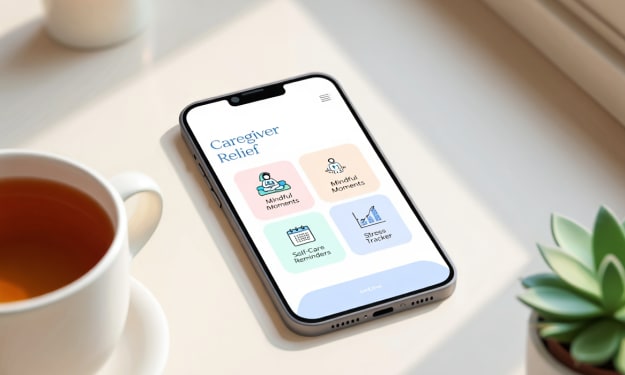
Caregiver Burnout Explained: Smart Apps That Reduce Stress and Save Time
That moment you blink awake and realize you’re already done for the day! It is indeed a worse feeling. The caregiving never takes a day off, even when you desperately need one. Over time, emotional pressure quietly builds. You manage appointments, emotions, and expectations, often without support. That steady weight leads many caregivers toward caregiver burnout, even when love stays strong. Technology now offers gentle help. Caregiver burnout apps for stress relief supports you through demanding days.
By Centre of Healing Minds2 days ago in Families


Comments (1)
Interesting!!!