
Is the Inca Trail Dangerous? What You Need to Know Before You Hike
Is the Inca Trail Dangerous? What You Need to Know Before You Hike

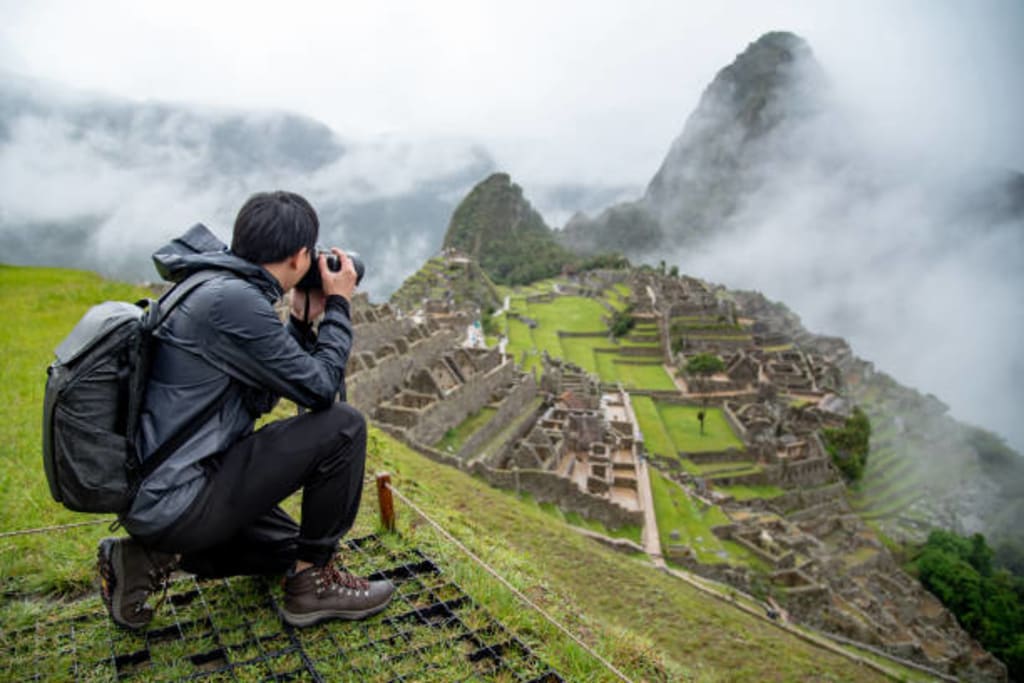
The Inca Trail is a legendary trekking route that takes hikers through spectacular landscapes and ancient Incan ruins, leading to the breathtaking Machu Picchu. Many travelers wonder if this trek is dangerous. While it presents some challenges, proper preparation and awareness can greatly reduce risks.
Understanding the Risks on the Inca Trail
1. High Altitude and Altitude Sickness
One of the biggest concerns is altitude sickness, which affects hikers as they climb to elevations over 13,000 feet (4,200 meters) at Dead Woman’s Pass. Symptoms may include headaches, dizziness, nausea, and shortness of breath.
Ways to Reduce the Risk:
- Spend a few days in Cusco or the Sacred Valley before your trek to acclimate.
- Drink plenty of water and avoid alcohol before and during the hike.
- Maintain a steady pace and pay attention to how you feel.
- Consider bringing altitude sickness medication like acetazolamide (Diamox).
For those who want to avoid extreme altitudes, the 2-Day Inca Trail offers an excellent alternative. It begins at a lower elevation and skips the highest mountain passes.
2. Steep and Rugged Terrain
The Inca Trail features steep climbs, narrow pathways, and uneven stone steps. Some sections are physically demanding, particularly for those unaccustomed to long treks.
Safety Tips:
- Wear well-fitted hiking boots with good grip.
- Use trekking poles to support your knees and improve balance.
- Train before your trip by hiking on uneven surfaces to build strength and endurance.
If you're looking for an easier route, the 2-Day Inca Trail Hike delivers stunning scenery and historical sites with a less strenuous experience.
3. Unpredictable Weather
Weather conditions can change quickly on the trail. Rain, fog, and sudden temperature drops occur even during the dry season. The rainy season (November to March) increases the risk of slippery trails and landslides.
How to Prepare:
- Check the weather forecast before your trek.
- Dress in layers to adapt to different temperatures.
- Carry a waterproof jacket and a rain cover for your backpack.
- Avoid hiking during the peak rainy season if possible.
4. Physical Demands and Fatigue
The Classic 4-Day Inca Trail requires long hours of hiking with steep ascents and descents, which can be exhausting even for experienced trekkers.
How to Manage Energy Levels:
- Improve your fitness before the hike with cardio and strength training.
- Take breaks and pace yourself.
- Eat nutritious meals and stay hydrated.
If you're concerned about endurance, the 2-Day Inca Trail is a less demanding option that still offers incredible views and historic sites.
5. Risk of Injuries
Common injuries on the trail include blisters, sprained ankles, and knee pain. Slippery or uneven terrain can also lead to falls.
Injury Prevention Tips:
- Wear high-quality hiking gear and moisture-wicking socks to prevent blisters.
- Stretch before and after each day of hiking.
- Walk carefully and use trekking poles for stability.
6. Wildlife and Insects
The trail is home to various wildlife, including insects and small mammals. While encounters with dangerous animals are rare, mosquito bites can be bothersome.
How to Stay Protected:
- Use insect repellent, especially in humid areas.
- Wear long sleeves and pants to reduce exposure to bites.
- Stay on the marked trail and avoid disturbing animals.
Is the Inca Trail Safer with a Guide?
Trekking with a licensed tour company significantly improves safety. Experienced guides are trained in first aid and emergency procedures, and they help ensure hikers follow trail regulations.
Benefits of Booking with a Tour Company:
- Professional guidance and support.
- Porters to help carry gear, reducing strain on hikers.
- Well-prepared meals and organized campsites.
Companies like Luan Travel Peru offer guided hikes, including the Short Inca Trail and 2-Day Inca Trail Hike, making the journey safer and more enjoyable.
Who Should Avoid the Inca Trail?
While most travelers can complete the trek, some should take extra precautions or consider an alternative:
- Those with serious heart or lung conditions.
- People who struggle with extreme heights or vertigo.
- Individuals with mobility limitations or joint problems.
- Those who are not physically prepared for multi-day hiking.
- If the full trek seems too difficult, the 2-Day Inca Trail provides a rewarding experience with less physical strain.
Final Thoughts: Is the Inca Trail Dangerous?
The Inca Trail presents challenges, but with preparation and caution, it remains a safe and rewarding trek. Common risks like altitude sickness, rugged terrain, and unpredictable weather can be managed with the right planning.
For those looking for a less intense trek, the Short Inca Trail offers stunning scenery and a taste of Incan history with fewer physical demands.
By understanding the challenges and taking proper precautions, you can embark on an unforgettable journey through the breathtaking Peruvian Andes, leading to the awe-inspiring Machu Picchu.
About the Creator
Luan travel Peru
Luan Travel Peru specializes in crafting unforgettable experiences for adventurers seeking to explore the wonders of Peru, with a particular focus on the Short Inca Trail.
Keep reading
More stories from Luan travel Peru and writers in Families and other communities.
Why Combining Sacred Valley and Machu Picchu is a Must-Do
Peru is a land of mesmerizing landscapes, rich history, and vibrant culture. Among its many wonders, the Sacred Valley and Machu Picchu stand out as two of the most iconic destinations. While both are incredible on their own, combining a visit to the Sacred Valley with Machu Picchu is an experience that transcends expectations. Here, we explore why this combination is a must-do for travelers.
By Luan travel Peruabout a year ago in Families
In the End, Family Is Everything
"Family is not always about blood. It is about the people who choose to stand beside you when life becomes difficult." In a world that moves too fast, where everyone is chasing something — success, money, recognition — there is one place where we can still return without needing to prove anything.
By Zakir Ullah6 days ago in Families


Comments
There are no comments for this story
Be the first to respond and start the conversation.