
I Tried to 'Outsource' My Love for My Parents With Expensive Superfoods. It Was a Disaster.
Living hundreds of miles away, I thought automated deliveries of the trendiest health products could replace my presence. I learned a hard lesson about the difference between a transaction and true care.

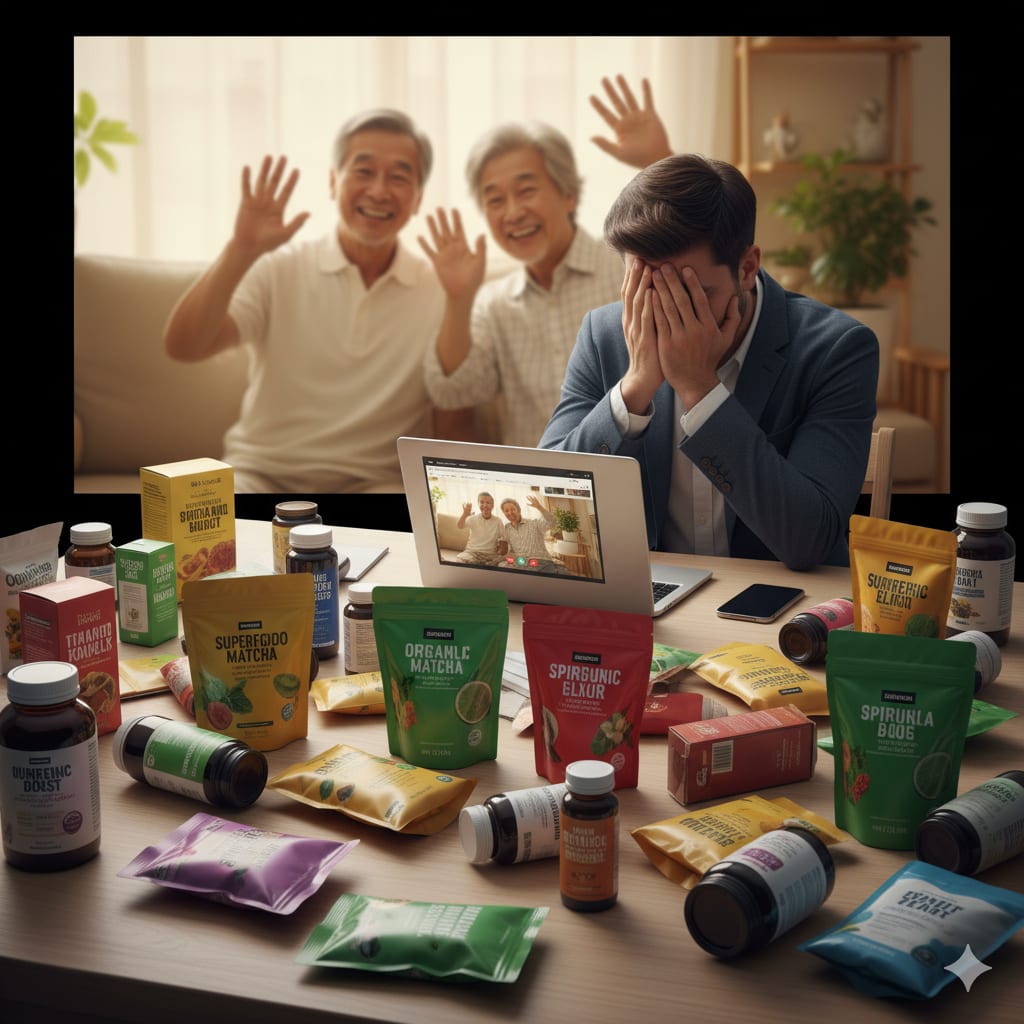
There’s a unique brand of guilt that settles in when you live far away from your aging parents. It’s a low, constant hum in the background of your busy life. For me, living in a bustling city with a demanding career, that guilt was a constant companion. I couldn't be there to cook them a meal, to drive them to a doctor's appointment, or to simply sit with them on a quiet afternoon. So, I did what any tech-savvy millennial would do: I tried to automate my love.
My solution was a meticulously curated subscription of "superfoods." Each month, a box filled with the latest wellness trends would arrive at their doorstep. One month it was exotic goji berries and chia seeds; the next, it was artisanal manuka honey and a ridiculously expensive green powder blend I’d seen influencers promote. In my mind, each delivery was a tangible expression of my affection, a way of saying, “I’m thinking of you, and I want you to be healthy,” without actually having to be there. I was outsourcing my care, and frankly, I felt pretty smart about it.
The illusion shattered during a routine video call. I asked my mom if she was enjoying the new spirulina capsules I’d sent. There was a pause. She exchanged a look with my dad off-screen before turning back to me with a hesitant smile. "They're very... green, dear," she said gently. "We aren't quite sure what to do with them. And that bitter powder you sent last month gave your father a bit of an upset stomach. The boxes are piling up in the pantry. We don't want to waste them, but..."
She didn't need to finish. The image of a pantry shelf cluttered with expensive, unopened products flashed in my mind. My smart, automated system of love wasn't working. It wasn't care; it was a burden. The goji berries were too hard for their dentures. The chia seeds, when not prepared correctly, were a digestive nightmare. The complex instructions on the supplement bottles were confusing. I hadn't been sending them health; I had been sending them chores and anxiety, all wrapped in a pretty, eco-friendly box.
That night, I felt the full weight of my failure. My grand gestures were completely impersonal, driven more by my need to assuage my own guilt than by their actual, practical needs. I had never once stopped to consider a simple question: What does a person in their late seventies actually need to maintain their health?
So, I started over. This time, I put the influencer blogs away and began to do real research. I looked into the science of geriatric nutrition. I learned about muscle loss (sarcopenia), the decreased ability to absorb certain vitamins like B12, and the importance of easily digestible proteins. I discovered that while a 30-year-old might benefit from a trendy green smoothie, my 75-year-old father needed something completely different to maintain his energy levels and protect his sensitive stomach.
It was during this deep dive that I stumbled upon a truly comprehensive guide. It wasn't selling a miracle cure; instead, it was a practical resource that methodically broke down different health goals for seniors. It discussed what to look for when dealing with fatigue, poor appetite, or bone density issues. For anyone else navigating this confusing landscape, this article on choosing the right health supplements for the elderly is an invaluable starting point that can save you from making the same mistakes I did. It helped me shift my focus from "what's popular?" to "what's needed?"
My approach changed entirely. The expensive, sporadic deliveries stopped. Instead, after a long conversation with my parents and their doctor, I set up a simple, recurring delivery from a local pharmacy. It contained two things: a specific brand of nutritional milk designed for seniors that was easy on the stomach, and a daily vitamin D supplement my mom’s doctor had recommended.
But the biggest change wasn't what I sent; it was what I did. I set a recurring calendar alarm for a "health check-in" call twice a week. During these calls, I wouldn't just ask "how are you?" but "Did you have a good lunch today?" or "How was your walk this morning?". I helped them create a simple, large-print chart to stick on the fridge, reminding them which supplement to take with which meal.
The next time I visited them in person, there was no dusty pile of unopened boxes in the pantry. Instead, I saw the nearly empty container of nutritional milk on the counter. My dad mentioned he had enough energy to work in his garden again. My mom said she felt less tired in the afternoons. We sat together, and for the first time in a long time, I felt I was truly caring for them. I wasn't just a daughter sending packages; I was a part of their daily wellness, even from miles away. I had finally learned that true care can't be outsourced. It's not found in an expensive powder or an exotic berry, but in the consistent, informed, and deeply personal act of showing up.
About the Creator
Vitamax
Vitamax - Thương hiệu uy tín hàng đầu cung cấp thực phẩm chức năng & thảo dược thiên nhiên cao cấp. Cam kết nguồn gốc tự nhiên, chất lượng quốc tế.
Website :https://vitamax.vn/
Hotline :0909689399
Wise~Guys
— Look Behind what's in Front of You ~ Make Good Choices — Hey, So how you Doin'..! Made~Men — Mobster Movies romanticise a distinctive, elegant appearance, impeccable attire style, along with the 'Families' expressive lingo. Making their 'Bones' gave them Panache — with vintage fedoras, tailored pin-striped suits, mirror-polished wing-tip shoes adorned with tassels; with their 'Gun Moll' gorgeous dates on their arms.
By Jay Kantor19 days ago in Families




Comments
There are no comments for this story
Be the first to respond and start the conversation.