
I’m a Public Health Scientist. Here’s What Research Really Shows About Raw Milk.
Public Health
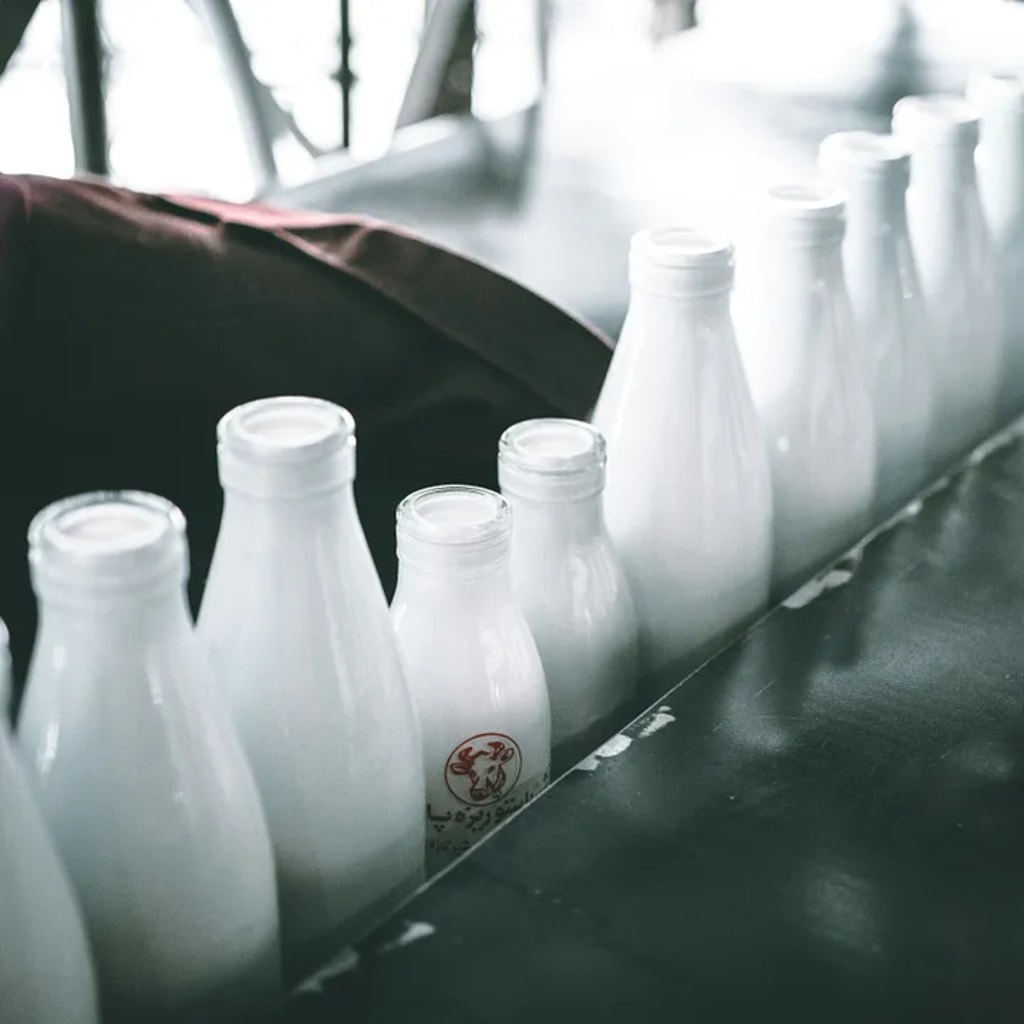
Do a quick search for ‘raw milk and lactose intolerance’ on social media, and you’ll find thousands of posts claiming unpasteurized milk is the answer for those who can’t digest dairy. As a public health data scientist specializing in evaluation science and critical appraisal of evidence, I’ve noticed these claims spreading rapidly — especially claims about raw milk’s supposed ability to cure lactose intolerance. Through my work with Unbiased Science, where we focus on sharing evidence-based information, I’ve examined the research on this topic carefully. And when we look at the actual studies, including a groundbreaking Stanford trial, the evidence reveals something very different.
The Claims vs. The Science
Raw milk proponents make two main arguments regarding lactose intolerance: first, that raw milk contains natural lactase enzyme to help digest lactose, and second, that its naturally occurring bacteria aids lactose digestion. These claims sound reasonable on the surface — but what does the research actually show?
A 2014 Stanford randomized controlled trial (RCT) put these theories to the test, comparing raw versus pasteurized milk in people with confirmed lactose intolerance. The results were striking: raw milk actually performed worse than or equal to pasteurized milk in terms of lactose digestion.
Understanding the Evidence
The Stanford researchers used breath hydrogen levels — a scientific measure where higher numbers indicate worse lactose digestion — to track how well participants processed different types of milk. Initially, raw milk showed significantly worse digestion (113±21 vs 71±12 ppm·min), about 60% higher than pasteurized milk. By day eight of the study, both types of milk performed equally (72±14 vs 74±15 ppm·min), with participants reporting identical digestive symptoms.
This research definitively demonstrated that raw milk offers no advantage for lactose-intolerant individuals. Laboratory analysis has repeatedly confirmed there is no lactase enzyme present in any milk, raw or pasteurized, and both types contain identical amounts of lactose (4.8%).
Why Yogurt Helps (But Raw Milk Doesn’t)
Many people wonder why fermented dairy products like yogurt can help with lactose intolerance while raw milk doesn’t. The answer lies in the specific bacteria and their concentrations. Yogurt contains deliberately added beneficial bacteria (Streptococcus thermophilus and Lactobacillus bulgaricus) at concentrations of 107 CFU/ml or higher — levels proven to aid lactose digestion.
In contrast, raw milk’s natural bacteria are different species present in much lower numbers, making them clinically insignificant for lactose digestion.
The Hidden Dangers
While the lack of benefits is concerning enough, the risks of raw milk consumption are severe. Between 1998–2018, despite only 5% of Americans consuming raw milk products, they caused:
202 disease outbreaks
2,645 illnesses
228 hospitalizations
Three deaths
Children face particularly high risks. Multiple documented outbreaks show devastating consequences:
In 2005, all five hospitalized patients in an E. coli outbreak were children aged 1–13
In 2006, six children developed severe kidney complications due to raw milk
In 2008, the three most seriously ill patients in a 14-person outbreak were children
A Surprising Discovery About Lactose Intolerance
The Stanford study revealed another fascinating finding: of 63 people who believed they were lactose intolerant, only 27 (43%) tested positive for lactose malabsorption when scientifically tested. This suggests that many perceived benefits of raw milk may stem from misunderstanding the underlying condition.
Evidence-Based Solutions for Lactose Intolerance
For those truly struggling with lactose intolerance, research supports several safe and effective approaches:
Using lactase enzyme supplements
Consuming lactose-reduced dairy products
Choosing properly fermented products like yogurt
These methods have been proven effective through rigorous clinical testing, unlike raw milk consumption which carries significant risks without documented benefits.
Moving Forward
The appeal of “natural” solutions is understandable, but when it comes to milk, pasteurization remains one of public health’s greatest success stories. Before its widespread adoption in the 1920s, contaminated “swill milk” caused thousands of infant deaths. Today, pasteurization continues to protect us while preserving milk’s nutritional benefits.
As we navigate health choices in an age of abundant information, we must rely on scientific evidence rather than anecdotal claims. The data is clear: raw milk provides no benefits for lactose intolerance while posing serious health risks, particularly to children.
Note: While this article synthesizes current research findings, always consult with your healthcare provider about managing lactose intolerance or making significant dietary changes.
About the Creator
Keep reading
More stories from ahmed elsadny and writers in Families and other communities.
From Code to Paper: Using GPT Models and Python to Generate Scientific LaTeX Documents
Introduction Working on scientific papers often involves translating algorithms into scientific formulas, typically formatted in LaTeX. This process can be tedious and time-consuming, especially in large projects, as it requires constant back-and-forth between the code repository and the LaTeX document.
By ahmed elsadnyabout a year ago in Education
Wise~Guys
— Look Behind what's in Front of You ~ Make Good Choices — Hey, So how you Doin'..! Made~Men — Mobster Movies romanticise a distinctive, elegant appearance, impeccable attire style, along with the 'Families' expressive lingo. Making their 'Bones' gave them Panache — with vintage fedoras, tailored pin-striped suits, mirror-polished wing-tip shoes adorned with tassels; with their 'Gun Moll' gorgeous dates on their arms.
By Jay Kantor23 days ago in Families
Men who eat nuts tend to have better quality sperm
Peak Potency: How a Daily Nut Habit Elevates Male Sperm Quality Male fertility rates have dropped in recent years. Many couples struggle to conceive, and men often overlook their role in this challenge. Your diet can make a big difference here. Nuts stand out as a simple fix. They pack antioxidants and healthy fats that support better sperm quality. Think of them as fuel for your reproductive system. Studies show men who eat nuts regularly see real gains in sperm health. If you're planning a family or just want peak vitality, adding nuts could be your smart move.
By Story silver book 7 days ago in Families
Autonomy Is The Real Privilege
Good morning, freedom-seekers! Today we’re gonna be looking at autonomy. A strange word, I know; one many would probably look at blankly and run away from on sight. We’re gonna figure out what it actually means, consider how it’s achieved, and decipher just how deeply most of us are tangled up in dependence without realising it.
By That ‘Freedom’ Guy4 days ago in Humans



Comments
There are no comments for this story
Be the first to respond and start the conversation.