
I Left My 9–5 to Take Care of My Parents: This Is What I Learned
An honest look at the quiet strength, hard choices, and unexpected gifts in caregiving

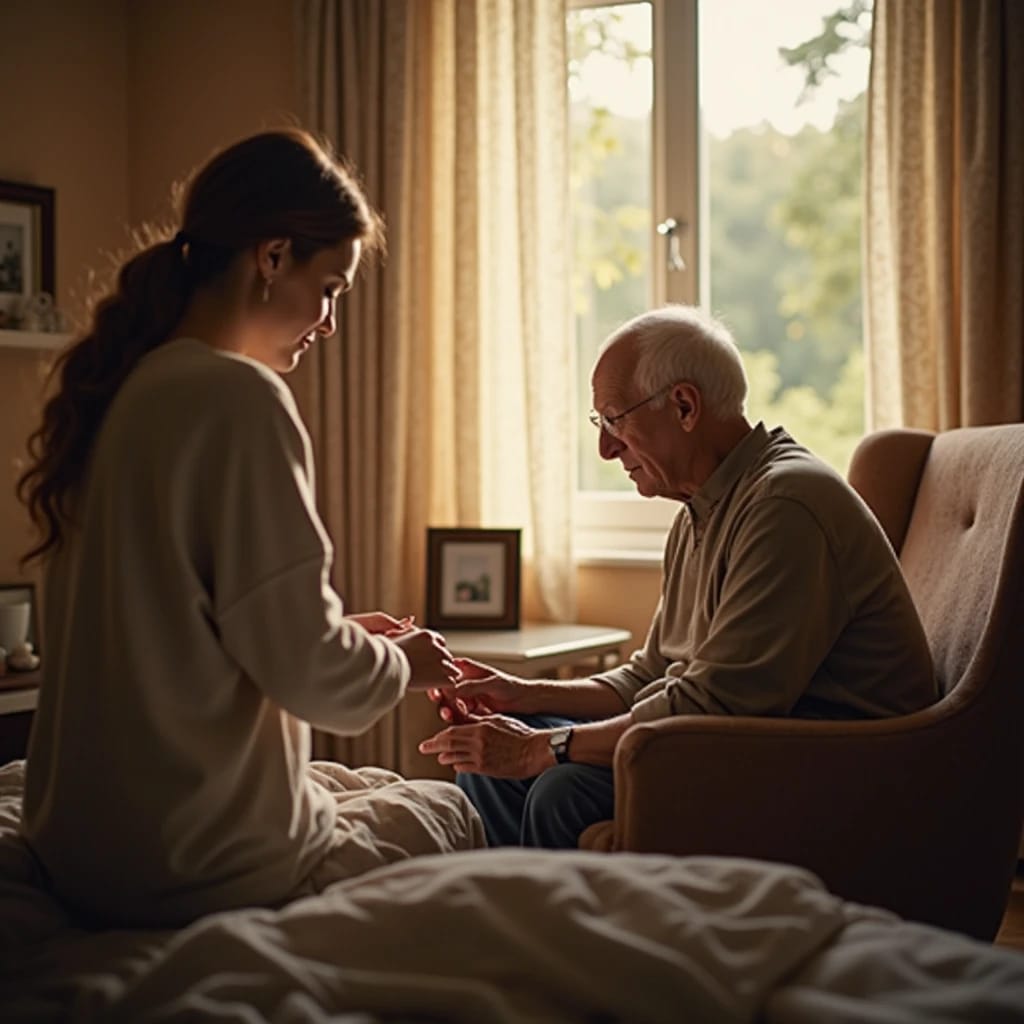
I didn’t plan to quit my job. In fact, I’d spent the better part of a decade climbing the ladder, surviving on coffee and late-night emails, wearing "busy" like a badge of honor. I had a decent apartment, a predictable schedule, and a LinkedIn profile full of polished achievements. Life was “on track”—until the call came.
My mother had taken a fall in the kitchen. It wasn’t the fall itself that shook us—it was the slow recovery, the confusion, the missed doctor’s appointments, and my father’s inability to keep up. At 76, he was still proud, still insisting he could manage. But even pride has a breaking point.
It took months of denial, hesitation, and guilt before I finally handed in my notice. I packed up my things, said goodbye to the glass-walled office that once felt like my entire identity, and moved back into the same childhood home I had fought so hard to leave.
What I didn’t expect was how completely it would change me.
The Slow Unlearning of “Productivity”
In the first few weeks, I kept waking up early, still in “work mode,” making lists of tasks for the day. But taking care of elderly parents doesn’t fit into spreadsheets. You can't KPI your way through medication reminders, bathroom accidents, or days when your mom forgets your name.
I felt unproductive. Useless. Like I’d disappeared from the world of progress and ambition. There were no promotions to chase here, no quarterly reviews, no end-of-year bonuses. Just long afternoons filled with prescription refills, memory games, and endless cups of tea.
But somewhere between those quiet moments, I began to unlearn everything I thought made a person "valuable." I started to understand presence—not performance—as the greatest gift you can offer someone.
Conversations I Never Knew I Needed
One rainy Tuesday, my dad and I sat at the kitchen table, watching steam rise from our mugs.
“You know,” he said, “I never thought you’d come back.”
He wasn’t being harsh—just honest. And in that moment, something shifted. We began to talk about things we never had the time—or courage—to bring up before: his childhood in the village, how he met my mother, his regrets about working too much when I was growing up.
My mom, during one of her lucid mornings, told me a story about how she used to dance in the backyard during monsoon season, barefoot and laughing. I’d never seen that side of her—free, wild, young. Somewhere along the years, between raising children and managing a home, that woman had become a silhouette behind recipes and responsibilities.
Caring for them gave me access to a version of my parents I’d never known. And it made me mourn the years I’d spent seeing them only as caretakers, not as people with their own histories, fears, and dreams.
The Loneliness No One Warns You About
There’s a particular kind of loneliness that comes with caregiving. Friends stop calling as often—they don’t know what to say. You lose touch with co-workers, drift away from conversations that revolve around weekend plans and promotions.
There’s also the emotional isolation of watching someone you love decline. It feels like mourning someone who’s still alive. One day, they’re telling you where the old family albums are stored. The next, they’re asking who you are.
I joined a local support group—not something I ever imagined myself doing—but those weekly meetings became my lifeline. Listening to others speak about the frustration, guilt, and small victories reminded me that I wasn’t alone, even when I felt invisible.
The Hidden Currency of Care
Financially, it was a hard hit. I’d gone from a steady salary to scraping together savings, relying on a small caregiver’s stipend, and stretching every dollar. There were moments when I questioned everything: had I ruined my future? Would I ever be able to return to a “normal” career?
But slowly, I began to notice something shift in my mindset.
Success, I realized, isn’t always loud or visible. Sometimes, it’s making it through a hard day without losing your temper. Sometimes, it’s helping your mom brush her hair while she hums a tune from the ‘70s. Sometimes, it’s holding your dad’s hand in the hospital and being the one face he recognizes through the fog.
Caregiving has a different kind of currency—measured not in promotions or paychecks but in patience, empathy, and resilience. Qualities I never learned in any boardroom.
What I Learned (and Am Still Learning)
1.It’s okay to grieve what you gave up.
Choosing to care for someone doesn’t mean you won’t miss your old life. Both can be true at once.
2.Asking for help isn’t weakness—it’s survival.
Whether it’s siblings, neighbors, or professionals, no one can do this alone. You shouldn’t have to.
3.You will grow in ways you never expected.
I’ve become more patient, more observant, and more grateful. I notice small things now: the way sunlight hits the kitchen tiles, the rhythm of my mother’s breathing when she naps.
4.Your worth is not tied to your job title.
For years, I introduced myself by my profession. Now, I introduce myself as a son—and that feels just as worthy.
5.Love is not always glamorous.
Sometimes love is cleaning, lifting, soothing. Sometimes it’s staying when it’s hard.
A New Definition of Success
It’s been over a year now. My parents have their good days and bad ones. There are still moments I crave the predictability of office life, the clear metrics of progress. But I no longer see this chapter of my life as a detour.
If anything, it’s the most honest version of myself I’ve ever known.
I don’t know what comes next—maybe a return to work, maybe something entirely new. But I know I’ll carry this experience with me forever.
It taught me that care isn’t just something we offer when convenient—it’s something we choose, every day, when it’s hard, messy, and beautiful.
And maybe, just maybe, that’s the kind of legacy worth leaving behind.
About the Creator
Muhammad Sabeel
I write not for silence, but for the echo—where mystery lingers, hearts awaken, and every story dares to leave a mark
Keep reading
More stories from Muhammad Sabeel and writers in Families and other communities.
What the Next Generation Thinks of Us: A Letter From 2050
Dear Ancestors, My name is Ilya, and I was born in the year 2034. I’m sixteen now—old enough to understand what you left us. Old enough to question why. Old enough to write this letter from what remains of Earth, in the hope that it echoes back through the data archives and makes someone, somewhere, feel what I’m feeling.
By Muhammad Sabeel8 months ago in Families
Wise~Guys
— Look Behind what's in Front of You ~ Make Good Choices — Hey, So how you Doin'..! Made~Men — Mobster Movies romanticise a distinctive, elegant appearance, impeccable attire style, along with the 'Families' expressive lingo. Making their 'Bones' gave them Panache — with vintage fedoras, tailored pin-striped suits, mirror-polished wing-tip shoes adorned with tassels; with their 'Gun Moll' gorgeous dates on their arms.
By Jay Kantor19 days ago in Families
The Clever Old Woman
As far as the eye could see, a pea crop was spread across the land. In the surrounding fields, the harvest had already been completed, and in fact, a second crop had begun to grow. However, this particular field had not yet been harvested. Irfan was passing through this area for the first time. When he saw the fully grown crop, he decided to negotiate a deal with its owner.
By Sudais Zakwan2 days ago in Families



Comments (1)
Quitting your job to care for parents is a huge change. I've been there. At first, it felt unproductive, but I learned presence matters more than performance. It's a different kind of valuable.