
How YT kids is rotting young brains
"The Hidden Dangers of Online Content for Children"
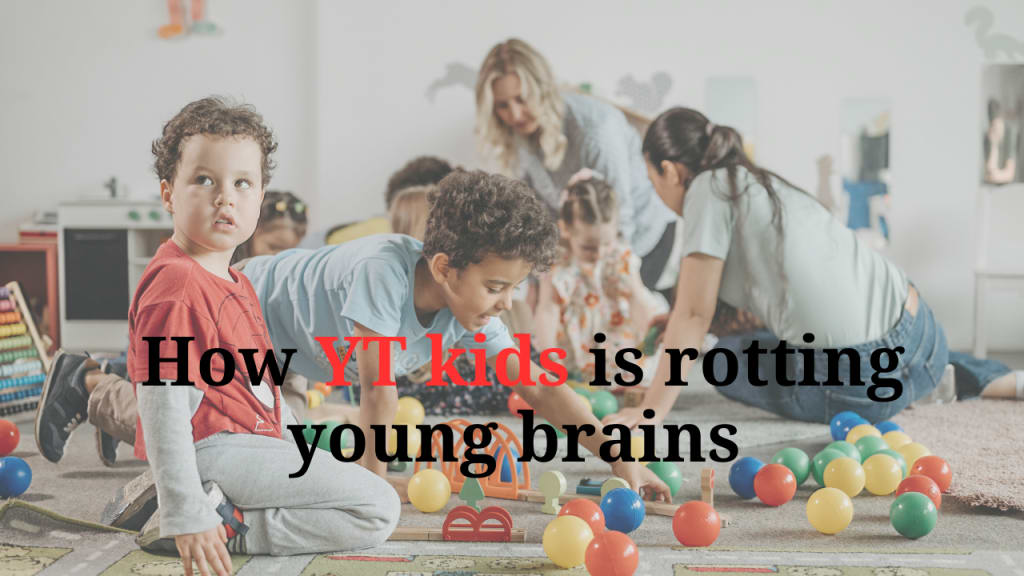
"The Hidden Dangers of Online Content for Children"
The internet, particularly platforms like YouTube, has become a staple in children’s lives. It entertains, educates, and keeps them engaged, often with minimal supervision. However, beneath the surface of seemingly innocent content lies a dark reality that can have serious consequences for young minds.
Alarming Content on Children's Platforms
Parents may believe their children are safe while watching cartoons or educational videos, but research shows otherwise. Disturbing content is often disguised as child-friendly. For instance, there are reports of videos promoting inappropriate themes such as violence, sexual innuendos, and even self-harm. In one shocking case, a pediatrician discovered a video where a cartoon character gave instructions on committing suicide. Despite reporting the video, it remained accessible for weeks.
Videos with titles like “Sexy Frozen Elsa” or “Is Jax Too Big for Penny?” attract millions of views, yet promote inappropriate and suggestive content. Challenges like the "Bathroom Challenge," where children are encouraged to use explicit language as a game, have garnered millions of views. Such trends expose children to harmful language and behavior, shaping their impressionable minds in damaging ways.
The Problem of Addiction and Overexposure
The rising prevalence of "YouTube Babies" highlights another issue: children are growing addicted to screens. Toddlers often demand tablets or phones, spending hours glued to them daily. This overexposure can lead to developmental issues, including attention deficit disorders (ADD/ADHD) and reduced cognitive abilities.
According to studies by organizations like Tech Transparency Project (TTP), content aimed at children often violates YouTube’s policies. Videos promoting drug culture, violence, or inappropriate themes are readily suggested to young viewers. For example:
- Clips glorifying drugs, like the *Cocaine* song by Eric Clapton.
- Gaming videos that depict drug labs.
- Tutorials on gun usage and violent accessories.
Even worse, some videos depict frightening scenarios like giant spiders chasing children or vampire attacks, triggering fear and anxiety.
The Impact on Developing Minds
During a child’s early years, the brain is highly active, forming millions of neural connections per second in a process called *neuroplasticity*. This stage is critical for learning, reasoning, and emotional regulation. Exposure to fear-inducing, violent, or explicit content can damage these connections, leading to long-term cognitive and emotional issues.
Studies have shown that children frequently exposed to toxic stress—caused by such harmful content—may suffer underdeveloped brain regions, such as the prefrontal cortex and frontal lobe, which are essential for decision-making, problem-solving, and logical reasoning.
Parental Responsibility and Societal Action
While platforms like YouTube Kids aim to provide a safer experience, inappropriate content still slips through. Parental supervision and intervention are crucial to protect children. Here’s what can help:
1. "Monitor Screen Time": Limit daily screen exposure and encourage outdoor activities and creative play.
2. "Use Parental Controls": Activate filters and block suspicious channels.
3. "Stay Involved": Watch videos with your children to ensure content is appropriate.
4. "Promote Awareness": Share concerns with other parents and report harmful videos to platforms.
Governments and tech companies also bear responsibility. Strict regulations, improved content moderation, and manual review systems are necessary to address this issue. Countries like China have implemented strict age limits for social media use, a move that other nations could consider.
Conclusion
The digital world offers immense potential for learning and entertainment, but it also comes with risks. As caregivers, educators, and responsible citizens, we must remain vigilant about the content children consume. Their young minds are vulnerable, and the consequences of harmful exposure can last a lifetime. Let's prioritize creating a safe online space for our youngest generation, ensuring they grow up in a healthy, nurturing environment.
About the Creator
Keep reading
More stories from writers in Families and other communities.
After the Storm
After the storm of winter snow there sat a small bear by the name Ted, of course. He loves the snow and likes to roll around in it making all sorts of trails and whatever he has a mind to do. He wondered where all the people are, but in a way, he is hoping that they are all snug in the homes maybe drinking hot chocolate-one of his favorite drinks with mini-marshmallows and eating something homemade for he likes this winter wonderland all to himself to romp and play and maybe even catch some fish down by the river.
By Mark Graham7 days ago in Fiction




Comments
There are no comments for this story
Be the first to respond and start the conversation.