
How to Teach Children About Sleep Hygiene: A Parent’s Guide to Better Bedtimes
Creating Fun, Healthy Sleep Routines for Kids That Lead to Quality Rest and Happy Days

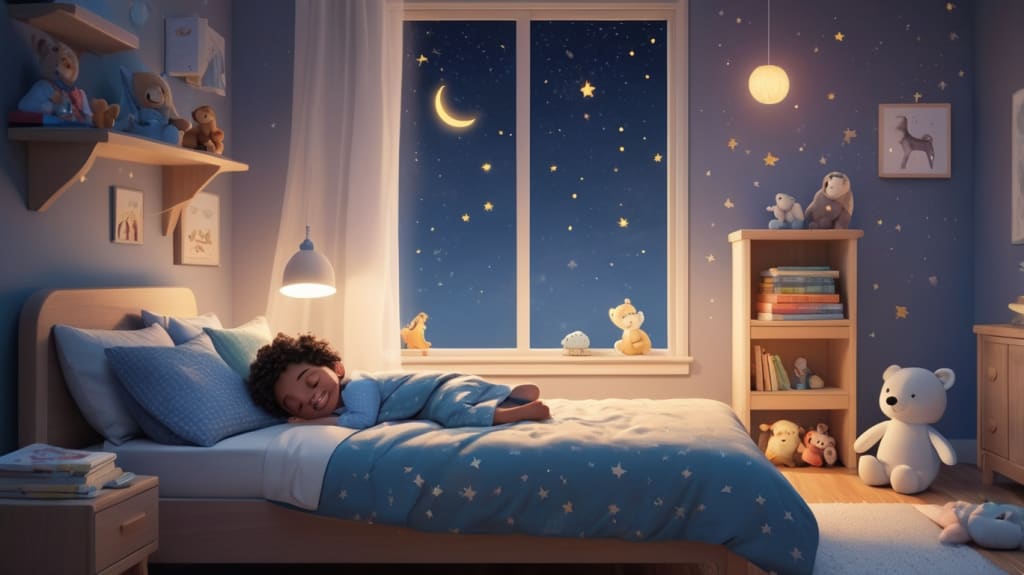
Ever wondered why your little angel starts behaving like the Energizer Bunny just before bedtime? As a parent, you surely must have found yourself in that vicious cycle where all the hard work put in for winding down seems to be nullified by a shocking outburst of energy from the child. Sleep hygiene, however, doesn't just occur in adults-there are the kids as well.
But how can you get them on board with healthy sleep habits? The good news? With the right approach, bedtime no longer has to be such a nightmare and can actually be more of a dream come true. It's actually easy, more enjoyable than you might believe, and much less nasty or unfair than most kids make it out to be!
What is children's sleep hygiene?
We will start with something that needs to be explained in full. Simply put, child sleep hygiene refers to the set of habits and behaviors that promote restful sleep.
It is essentially creating an environment and habit that proves restorative night after night. In children, sleep hygiene might be a little more playful and creative, but overall, the general principles almost translate into being the same: consistency, relaxation, and right environment.
Now, how can you teach your children good sleeping habits without lecturing them? Let's break down bedtime for your child into easy, fun stages.

1. A Fun Bedtime Routine (be consistent!)
Bedtime is no exception to the youngsters' demand for routine.
Bedtime routine will tell the brain it is, in fact time to wrap things up and prepare for sleep. Of course, this is all fun making bath time, reading a story, or brushing their teeth little adventures to be done.
Bedtime can become like a superhero mission. It is step-by-step preparation to get ready for a good night's rest. Cape optional.
You can even provide your child with a feeling of control in the process. Let them choose what book they will read for and which pajama they will use that night. Give options so he or she feels like he or she is in charge but also keeps him on the plan. These kinds of bedtime routines might train children's sleep habits in the long run.
Children are inquisitive. And once they see why something is important, it becomes easy to accept. So, utilise creativity to speak with the little ones about why they need sleep.
For example: "Do you know that your body recharges like a superhero when you sleep? Your brain becomes smarter, your muscles get stronger, and you wake up prepared to face the day. That makes getting enough sleep for kids sound exciting instead of an interruption of playtime.".
Explain to them that sleep is not for sleeping but for growing big and healthy. Such a straightforward framing will have them looking forward to bedtime instead of resisting it.

3. Create a Sleep-Friendly Environment (Sleeping Cave)
The bedroom should be sleep-friendly: it should be dimly lit, screens off at least 30 minutes before bedtime, and cool and comfortable. You can involve your child in this process too! Ask them to help "design" their sleep cave.
Ask them, "What would make your bed the coziest, most relaxing place in the world?" Maybe they want soft blankets, a favorite stuffed animal, or even a nightlight that projects stars on the ceiling.
This makes bedtime sound inviting and special. They'll begin to view their bedroom as a refuge, rather than a place to avoid.
You can remind your child that, "It's harder to fall asleep tonight." Explain to them that "The sugary snacks or the screen time right before bed are like sneaky villains trying to prevent getting their superhero sleep."
"Did you know that watching television before bedtime is like inviting a 'Sleep Stealer' into your room? They make it harder for your brain to relax."
This casual approach will move your child to assume more control of habits without ever being lectured. He can begin to notice when he is doing something which may be impacting his quality sleep for kids and have fun by beating the Sleep Stealers.

5. Introduce some Relaxation Techniques (Kid-Friendly Calm)
Teach your child how to calm down by using very accessible relaxation skills. Practice this with deep breathing activities: "Let's inflate a big inflatable balloon inside us by taking some long breaths in, and then let it bounce around the room as we slowly breathe out."
Another very wonderful relaxation skill is progressive muscle relaxation where you might ask your child to curl up his or her toes and tighten other parts of their body, all from the toes to the head, and then let the muscles relax, feeling floppy.
You can attach the message, "We are practicing how to calm our bodies, just like how superheroes prepare themselves for bed before the next big mission." Frame relaxation as a cool part of their sleep hygiene for kids. It's funny and effective.

6. Positive daytime bepalingen (energie branders)
Good sleep hygiene is not only at bedtime. Think of ways you can stir up your mind and body to physical activity and burn off excess energy throughout the day. It does not have to be organized, going out and running around or dancing: anything will do the trick.
"If we tire ourselves playing and running around during the day, then at night, our body is ready for sleep and recharging".
This helps the child learn to be active at daytime and that this would also help them to also sleep better at night.
Above all, this is very patient and consistent.
Not a one-night miracle sleep learning lesson for kids. It takes time and consistency. Some nights are so much easier than others, but that's okay. Over the long haul, these habits just become second nature.
You could say, "Even superheroes must perfect their bedtime routine. It's not the end if we can't get it perfect every night!
Good sleep translates to the health and well-being of your little one. This affects not only their mood but also their ability to pay attention, to learn, and even their physical health. Set them up for a lifetime of better sleep and learning by teaching healthy sleep habits for kids right from the beginning. By any parent's definition, the most happy child is a rested child!
Teaching children to practice good sleep hygiene in a fun way is not a fight, but rather can be a bonding moment itself. You are giving them lifetime habits that make the routine feel safe, fun, and comforting. Next time you round up a hyper-child at bedtime, remember: with the right mix of fun, understanding and consistency bedtime routines for children can become a series of superhero adventures.

About the Creator
Keep reading
More stories from DEVASENAN SUBRAMANI and writers in Families and other communities.
The Best Foods for Better Sleep: Eat Your Way to a Restful Night
Ever found yourself lying in bed at night, staring up at the ceiling, wondering why sleep always seems to be sliding out of your grasp? We all do that, whether it's due to a whirling mind or just the wrong bedtimes. But here's something you might not have considered: The food on your plate could be the missing part of your sleep puzzle. Yep, what you eat can be the secret to deeper, restful sleep.
By DEVASENAN SUBRAMANIabout a year ago in Feast
Wise~Guys
— Look Behind what's in Front of You ~ Make Good Choices — Hey, So how you Doin'..! Made~Men — Mobster Movies romanticise a distinctive, elegant appearance, impeccable attire style, along with the 'Families' expressive lingo. Making their 'Bones' gave them Panache — with vintage fedoras, tailored pin-striped suits, mirror-polished wing-tip shoes adorned with tassels; with their 'Gun Moll' gorgeous dates on their arms.
By Jay Kantor20 days ago in Families
What If I Am the Victim
There is a moment many of us reach after deep self-reflection. You ask yourself hard questions. You examine your behavior. You wonder if you are the problem. And after all that honesty, another thought quietly appears. What if I am actually the victim
By Eunice Kamaua day ago in Families




Comments
There are no comments for this story
Be the first to respond and start the conversation.