
How to Get Rid of Mice in Your Home
How to Get Rid of Mice in Your Home - Easy DIY Methods & Prevention Tips

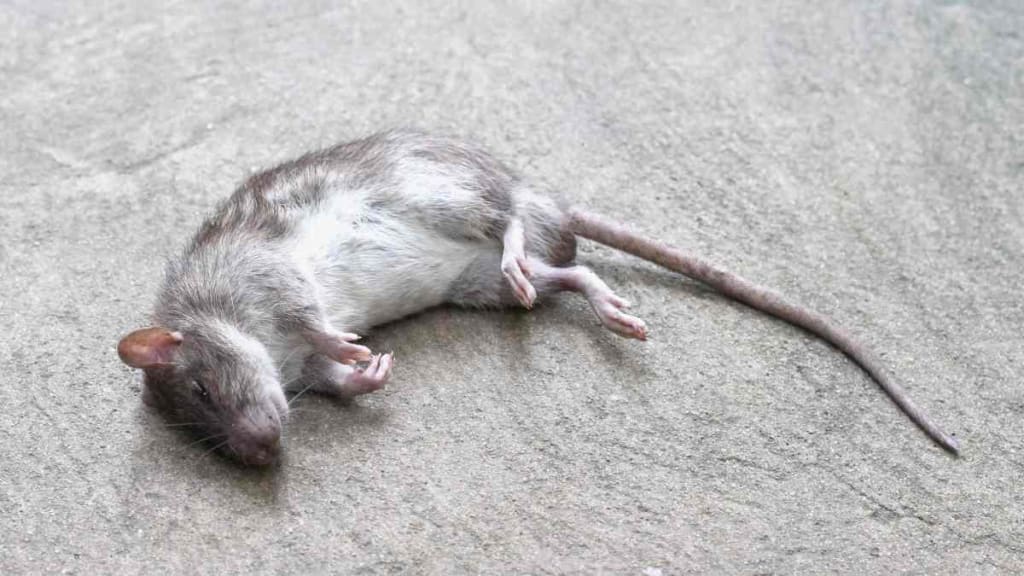
Mice can be a real nuisance when they decide to make your house their home. These tiny rodents can cause damage to your property, contaminate food, and create health risks for your family. Whether you're dealing with a small mouse problem or a larger infestation, there are several effective methods you can use to get rid of them. Many homeowners in areas like Strathmore find that with the right approach and some patience, they can successfully manage mouse problems using simple techniques. Understanding how mice behave and what attracts them to your home is the first step in effective Pest Control Strathmore solutions.
Understanding Why Mice Enter Your Home
Before you can effectively remove mice, you need to understand what brings them inside in the first place. Mice are always looking for three basic things: food, water, and shelter. Your home provides all of these in abundance, especially during colder months when outdoor conditions become harsh.
Mice can squeeze through incredibly small spaces - gaps as tiny as a five-cent coin. They're excellent climbers and can enter through holes in walls, gaps under doors, cracks in foundations, and even through roof spaces. Once inside, they quickly establish nesting areas in quiet, dark places like wall cavities, cupboards, and storage areas. For residents in suburbs like Burwood, understanding these entry points is crucial for effective Pest Control Burwood strategies that prevent future infestations.
Signs You Have Mice in Your Home
Recognising the early signs of mice can help you address the problem before it becomes a major infestation. Here are the most common indicators:
Droppings are usually the first sign most people notice. Mouse droppings are small, dark, and rod-shaped, typically found near food sources, in cupboards, or along walls where mice travel.
Scratching noises in walls or ceilings, particularly at night when mice are most active, often indicate their presence. You might hear scurrying, gnawing, or squeaking sounds.
Gnaw marks on food packaging, furniture, or wires show where mice have been feeding or nesting. Fresh gnaw marks appear lighter in colour and become darker over time.
Grease marks along walls and skirting boards occur from the oils in mouse fur as they repeatedly travel the same routes.
Nesting materials like shredded paper, fabric, or insulation scattered in quiet areas indicate mice are building homes in your space.
Simple Methods to Remove Mice
Trapping Methods
Traditional snap traps remain one of the most effective ways to catch mice. Place them along walls where you've noticed activity, using the wall as a guide. Bait them with small amounts of peanut butter, chocolate, or dried fruit. Check traps daily and dispose of caught mice promptly.
Live traps offer a humane alternative if you prefer not to kill the mice. However, you'll need to relocate them at least two kilometres away to prevent them returning. Remember that relocating mice during winter can be problematic as they may struggle to survive outdoors.
Glue traps work by catching mice on sticky surfaces, but many people find them inhumane as mice can suffer before dying. If you choose this method, check traps frequently.
Natural Deterrents
Several natural methods can help deter mice without using chemicals. Peppermint oil has a strong scent that many mice dislike. Soak cotton balls in peppermint oil and place them near suspected entry points and nesting areas. Replace them weekly as the scent fades.
Steel wool stuffed into small holes and cracks creates an effective barrier. Mice cannot chew through steel wool, making it excellent for sealing entry points.
Ultrasonic devices emit high-frequency sounds that supposedly repel mice. However, their effectiveness varies, and mice may become accustomed to the sound over time.
Preventing Future Mouse Problems
Prevention is always better than removal. Start by eliminating food sources that attract mice. Store all food in sealed containers, including pet food and birdseed. Clean up crumbs and spills immediately, and don't leave dirty dishes overnight.
Remove water sources by fixing leaky pipes, eliminating standing water, and ensuring good drainage around your home's exterior.
Seal entry points by inspecting your home's exterior and interior for gaps and holes. Use steel wool, caulk, or metal sheeting to block potential entry routes. Pay particular attention to areas where pipes and cables enter your home.
Keep your home tidy by reducing clutter that provides hiding spots. Regularly vacuum and clean areas where food is prepared and consumed.
Maintain your garden by keeping grass short, removing overgrown vegetation near your home's foundation, and storing firewood away from the house.
When to Call Professional Help?
While many mouse problems can be handled with DIY methods, some situations require professional intervention. Call pest control professionals if you're dealing with a large infestation, if mice keep returning despite your efforts, or if you're uncomfortable handling traps and removal yourself.
Professionals have access to more powerful treatments and can identify entry points you might miss. They can also provide ongoing monitoring and prevention services to ensure the problem doesn't return.
Health and Safety Considerations
Always wear gloves when handling traps, cleaning up droppings, or dealing with dead mice. Mouse droppings can carry diseases, so clean contaminated areas with disinfectant and avoid sweeping, which can spread particles into the air.
Ventilate areas well when cleaning, and consider wearing a mask if dealing with large amounts of droppings or nesting material.
Conclusion
Getting rid of mice requires patience, persistence, and the right approach. Start by identifying how they're entering your home and what's attracting them. Use appropriate trapping methods while implementing prevention strategies to stop new mice from entering.
Remember that mouse control is an ongoing process, not a one-time fix. Regular maintenance, cleanliness, and vigilance will help keep your home mouse-free. With these methods and a bit of determination, you can successfully reclaim your home from unwanted rodent visitors and maintain a comfortable, healthy living environment for your family.
About the Creator
Keep reading
More stories from Jack Warner and writers in Families and other communities.
How to Get Rid of Mice in Your Car: A Complete Guide
Having mice in your car is a situation no one wants to face. Unfortunately, it’s a common problem for car owners, especially if your vehicle is parked in areas where pests can thrive, like near food sources, trash, or tall grass. Mice can cause damage to your car, chew through wires, and leave behind droppings and urine, which can create an unpleasant and unsafe environment.
By Jack Warner9 months ago in Families
Wise~Guys
— Look Behind what's in Front of You ~ Make Good Choices — Hey, So how you Doin'..! Made~Men — Mobster Movies romanticise a distinctive, elegant appearance, impeccable attire style, along with the 'Families' expressive lingo. Making their 'Bones' gave them Panache — with vintage fedoras, tailored pin-striped suits, mirror-polished wing-tip shoes adorned with tassels; with their 'Gun Moll' gorgeous dates on their arms.
By Jay Kantor18 days ago in Families
Becoming a sleeve snake
The Treacherous Minister A long time ago, in the land of Greece, there was a wise and just king who ruled his kingdom with fairness. The king trusted all of his ministers and often consulted them on matters of governance. Among all his ministers, there was one whom the king favored above the others—a man named Faisal. The king valued Faisal’s advice and often sought his counsel for important decisions.
By Sudais Zakwan5 days ago in Families




Comments
There are no comments for this story
Be the first to respond and start the conversation.