
How to Repair Carpets After a Flood
Essential Steps to Restore and Repair Your Carpet After Water Damage

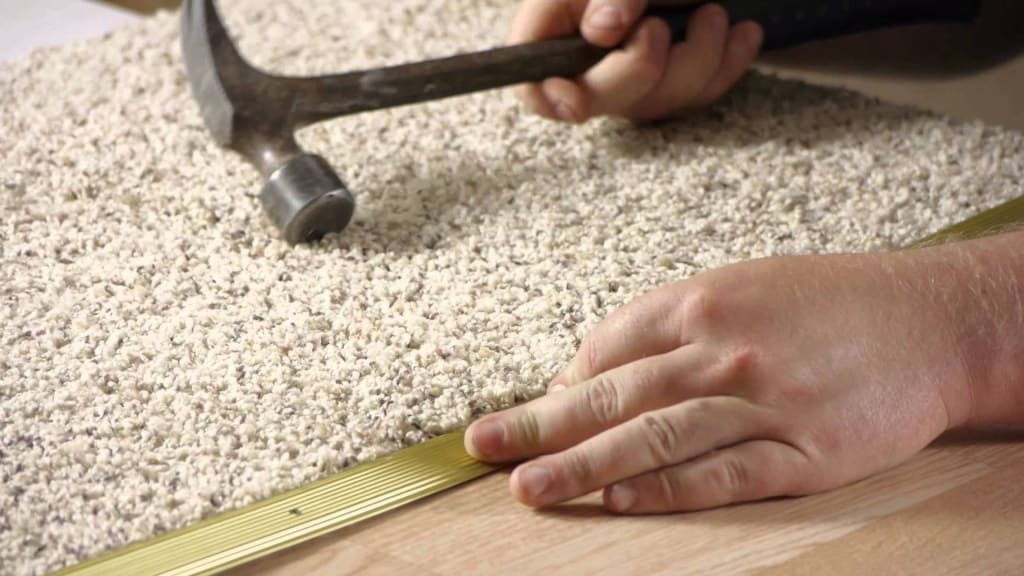
Experiencing a flood in your home can be a stressful and overwhelming event. One of the most vulnerable areas in your home during a flood is your carpeting. Water-soaked carpets can lead to several problems, including mold growth, bad odors, and damage to the carpet fibers and padding. However, with the right approach, you can repair and restore your carpet after a flood and prevent further damage.
In this guide, we'll walk you through the steps to effectively repair your carpet after a flood and help you understand when it’s time to call in professional services for carpet repair in Lara or the areas close to you.
Why Flooded Carpets Need Immediate Attention
Flooded carpets require urgent attention for several reasons:
- Mold Growth: When carpets are left wet for more than 24-48 hours, they become a breeding ground for mold and mildew. Mold can pose serious health risks and damage your carpet beyond repair.
- Bad Odors: Wet carpets tend to absorb not just water but also dirt, bacteria, and other contaminants, leading to unpleasant smells.
- Structural Damage: Water can seep into the carpet’s padding and subfloor, causing long-term damage to your home's structure.
- Loss of Carpet Integrity: If left untreated, the carpet fibers and backing may weaken, leading to irreparable damage.
Given these issues, it's crucial to act quickly to restore your carpet after a flood.
Step-by-Step Guide to Repair Carpets After a Flood
Below is a comprehensive guide to help your carpet repair in Mernda or your local areas, after it has been exposed to floodwater.
1. Assess the Damage
The first step is to evaluate the extent of the flood damage. Determine whether the water that has affected your carpet is clean or contaminated. This will help you decide whether the carpet is salvageable.
- Clean Water: This includes water from sources like burst pipes or rainwater leaks. Carpets exposed to clean water have a higher chance of being restored.
- Contaminated Water: Water from sewage backups, river floods, or other unsanitary sources may contain harmful bacteria. In these cases, it is often recommended to dispose of the carpet entirely for health reasons.
If the water is clean, you can proceed with the steps to repair the carpet. If the water is contaminated, consult professional carpet repair services, as the health risks and cleaning requirements are much higher.
2. Remove Standing Water
Before you can start repairing the carpet, you need to get rid of any standing water. The faster you remove the water, the better your chances of saving the carpet.
Steps to Remove Water:
- Use a wet/dry vacuum (shop vac) to suck up as much water as possible. These vacuums are designed for water extraction and can remove large amounts of water quickly.
- If you don’t have access to a wet/dry vacuum, towels and mops can be used to absorb the water, but this will take more time and effort.
- For significant flooding, consider renting a commercial-grade water extractor from a hardware store.
- Once the majority of the water has been removed, move on to drying out the carpet.
3. Dry the Carpet Thoroughly
Drying your carpet is essential to prevent mold growth and further damage to your flooring.
Steps to Dry the Carpet:
- Use Fans: Place high-powered fans around the affected area to speed up the drying process. The more airflow, the faster the carpet will dry.
- Dehumidifier: Running a dehumidifier in the room can help remove excess moisture from the air, which will further accelerate drying.
- Lift the Carpet: If possible, lift the carpet off the floor to allow air to circulate underneath. Use small wooden blocks or bricks to prop up the carpet edges.
- Sunlight: If you can, expose the carpet to natural sunlight, as it’s one of the best ways to dry out and disinfect the carpet naturally.
Remember that carpets are made of several layers, and while the surface may feel dry, the padding and subfloor underneath may still be damp. Make sure the entire carpet is fully dry before proceeding to the next step.
4. Check the Carpet Padding
In many cases, the carpet padding underneath will be too waterlogged and damaged to salvage. Padding is more absorbent than the carpet itself, and once soaked, it can harbor mold and bacteria. If the padding is damaged, you will need to remove and replace it.
Steps to Replace Carpet Padding:
- Remove the Carpet: Carefully pull back the carpet from the tack strips at the edges of the room.
- Cut Out the Padding: Use a utility knife to cut out and remove the damaged padding.
- Let the Subfloor Dry: Allow the subfloor to dry completely before laying down new padding. You can use fans and a dehumidifier to speed up this process.
- Install New Padding: Once the subfloor is dry, install new padding before laying the carpet back down.
Replacing the padding will help restore the comfort and integrity of your carpet, while also ensuring that no mold or bacteria remain trapped beneath.
5. Clean and Disinfect the Carpet
After drying the carpet, the next important step is cleaning and disinfecting it to remove any dirt, bacteria, or odors caused by the floodwater.
How to Clean the Carpet:
- Use a Carpet Cleaner: You can use a carpet cleaning machine to deep clean the carpet. These machines use hot water extraction to remove dirt and contaminants from the carpet fibers.
- Apply a Disinfectant: After cleaning, apply a disinfectant that is safe for carpets to kill any remaining bacteria. Make sure to follow the manufacturer’s instructions.
- Baking Soda for Odors: If there’s any lingering odor, sprinkle baking soda over the carpet and leave it for a few hours before vacuuming. Baking soda is a natural deodorizer that will help neutralize any bad smells.
For carpets exposed to severe water damage, it may be a good idea to hire professional carpet cleaners who have the equipment and expertise to deep clean the carpet thoroughly.
6. Reinstall the Carpet
If you had to remove the carpet for drying or replacing the padding, now it’s time to reinstall it. Here’s how to do it:
- Reattach the Carpet to the Tack Strips: Use a knee kicker to stretch the carpet back into place and reattach it to the tack strips around the edges of the room.
- Trim Excess Carpet: If the carpet has stretched during the drying process, use a utility knife to trim any excess material.
- Smooth Out the Carpet: Once the carpet is reattached, use your hands or a carpet roller to smooth it out and eliminate any wrinkles or bubbles.
If reinstalling the carpet seems too complicated or you notice damage that you’re not comfortable fixing, you can always reach out to Carpet Repair Mernda for expert carpet repair services.
When to Call a Professional Carpet Repair Service
While DIY methods can be effective in some cases, there are times when professional help is necessary. If you notice any of the following, it’s best to call a professional carpet repair service:
- Extensive Water Damage: If a large portion of the carpet is soaked or if the water has seeped into the subfloor, you may need professional assistance to prevent long-term damage.
- Mold Growth: If mold has started to grow in the carpet or padding, it’s essential to hire a professional to safely remove the mold and prevent health risks.
- Structural Damage: If the flood has caused damage to the floorboards or subfloor, a professional may need to repair these areas before the carpet can be restored.
- Sewage Water: If your carpet has been exposed to sewage or contaminated water, it’s highly recommended to call a professional for proper cleaning and sanitizing.
In the Lara area, Carpet Repair Lara provides expert carpet repair services, including flood damage restoration, re-stretching, patching, and cleaning. Their team of professionals has the tools and knowledge to effectively restore your carpet after a flood.
Preventing Future Carpet Damage from Floods
To prevent future carpet damage from floods, consider taking these proactive steps:
- Install a Sump Pump: A sump pump can help remove water from your basement or lower levels in case of flooding.
- Use Waterproof Flooring in High-Risk Areas: Consider using waterproof flooring in areas prone to flooding, such as basements, kitchens, and bathrooms.
- Fix Leaks Promptly: Check for any plumbing leaks or roof damage regularly and fix them as soon as possible to avoid water damage.
- Keep Gutters Clean: Ensure that your gutters and downspouts are clean and directing water away from your home’s foundation to prevent flooding.
Conclusion
Repairing your carpet after a flood can be challenging, but with prompt action and the right techniques, it’s often possible to restore it to its original condition. Removing water, drying the carpet thoroughly, replacing the padding, and cleaning the carpet are all crucial steps in this process. In cases of severe damage or contamination, reaching out to professionals like Carpet Repair Mernda can ensure that your carpet is restored safely and effectively.
About the Creator
James Smith
I am a dedicated writer with a passion for sharing expert knowledge about carpet repair. With years of experience in the industry, I provide practical tips and in-depth guides to help homeowners maintain their carpets to their beauty.
Keep reading
More stories from James Smith and writers in Families and other communities.
DIY Carpet Repair Tips and Techniques for Beginners
Carpets can add warmth and comfort to your home, but they’re also prone to damage over time. Whether it’s from spills, pet accidents, furniture dragging, or regular wear and tear, carpets often end up with stains, holes, or frayed edges. Fortunately, many common carpet issues can be fixed without needing to replace the entire carpet. If you’re a beginner looking to learn some simple and effective DIY carpet repair techniques, you’ve come to the right place!
By James Smith2 years ago in Families
In the End, Family Is Everything
"Family is not always about blood. It is about the people who choose to stand beside you when life becomes difficult." In a world that moves too fast, where everyone is chasing something — success, money, recognition — there is one place where we can still return without needing to prove anything.
By Zakir Ullah3 days ago in Families



Comments
There are no comments for this story
Be the first to respond and start the conversation.