
DIY Carpet Repair Tips and Techniques for Beginners
Simple and Easy Carpet Repair Hacks Anyone Can Do at Home

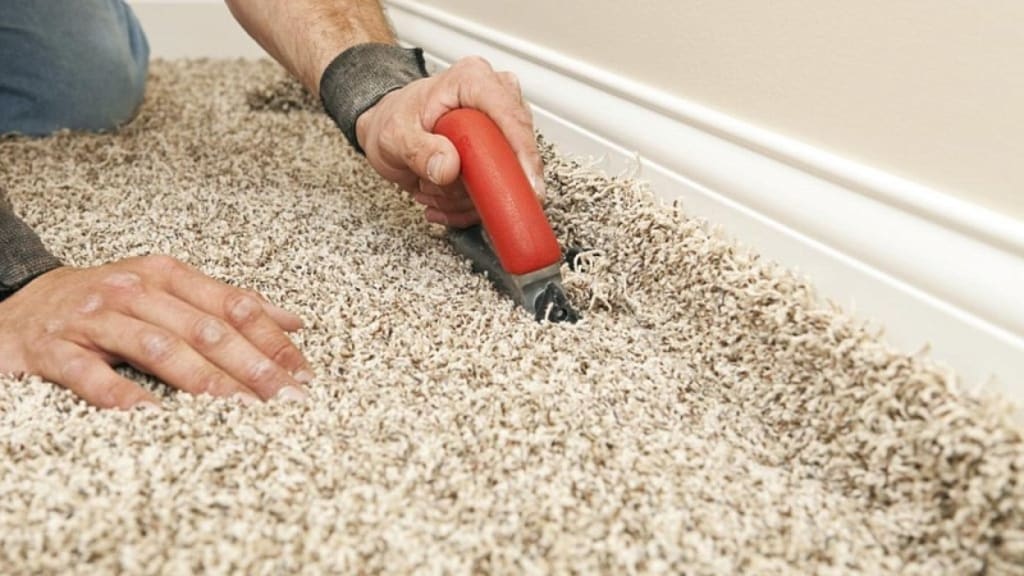
Carpets can add warmth and comfort to your home, but they’re also prone to damage over time. Whether it’s from spills, pet accidents, furniture dragging, or regular wear and tear, carpets often end up with stains, holes, or frayed edges. Fortunately, many common carpet issues can be fixed without needing to replace the entire carpet. If you’re a beginner looking to learn some simple and effective DIY carpet repair techniques, you’ve come to the right place!
In this guide, we’ll share easy-to-follow tips and methods to repair your carpet on your own. And if the damage is too extensive or you need professional assistance, you can always rely on experts for Carpet Repair Geelong or wherever your location is, services to get the job done right.
Why DIY Carpet Repair Is a Good Idea
Carpet repairs can often seem like a daunting task, but they don’t always require professional intervention. Learning how to fix minor damage yourself has several benefits:
- Saves Money: Repairing small sections of your carpet is far cheaper than replacing it entirely. Even if you end up needing professional help, doing some of the prep work yourself can reduce costs.
- Immediate Results: Sometimes, you don’t want to wait for an appointment with a carpet repair company. DIY solutions allow you to fix problems right away, especially for minor issues.
- Increases Carpet Lifespan: Regular maintenance and quick fixes for minor damage can extend the life of your carpet and keep it looking great for years.
That said, if you’re dealing with significant damage or intricate repairs, it’s a good idea to consult with professionals. Many Carpet Repair Services in Cranbourne or your nearby areas are equipped to handle more complex problems and ensure the job is done properly.
Common Carpet Problems and How to Fix Them
Let’s explore some of the most common carpet problems you might encounter and how to fix them with DIY techniques.
1. Repairing Carpet Burns
Carpet burns are usually caused by things like a hot iron, hair straighteners, or even cigarettes. While they might look serious, small burns are relatively easy to fix.
Here’s how to repair a burnt section of carpet:
- Trim the burnt fibers: For small burns, use a pair of scissors or a utility knife to carefully trim away the blackened or melted fibers. Be careful not to cut too deeply.
- Replace the burnt area: If the burn is larger, you may need to replace the damaged section. Use a piece of matching carpet (from a hidden area like inside a closet) to cut out a patch. Follow the steps below for patching a carpet seamlessly.
- For larger or more severe burns, contacting Carpet Repair Services may be necessary. Professional Carpet Repair experts can help restore larger areas without the need to replace the entire carpet.
2. Fixing Carpet Stains
Spills and stains are inevitable, but they don’t have to be permanent. The quicker you act, the easier it is to remove a stain.
Here’s how to handle common carpet stains:
- Blot, don’t rub: Always blot the stain with a clean cloth or paper towel. Rubbing the stain can push it deeper into the carpet fibers and spread it.
- Use a homemade cleaner: A mixture of equal parts white vinegar and water works well for many stains. Spray it onto the stain, let it sit for a few minutes, then blot with a clean cloth. For tougher stains, sprinkle some baking soda over the area before applying the vinegar solution.
- Steam clean if necessary: If the stain persists, consider using a steam cleaner or renting one. Steam cleaning can help remove deep stains by breaking up dirt and grime.
If the stain is particularly stubborn or the carpet is delicate, professional Carpet Repair Services offer specialized stain removal techniques that are gentle on the carpet while being tough on stains.
3. Repairing Carpet Seams
Over time, carpet seams can start to separate, creating visible gaps or frayed edges. This is especially common in areas with heavy foot traffic.
Here’s how to repair carpet seams:
- Re-adhere the seam: Start by lifting the carpet around the seam. Apply carpet seam adhesive to the underside of the carpet, then press the seam back into place. Make sure the edges meet closely to avoid gaps.
- Use seam tape: For a stronger hold, use carpet seam tape. Apply the tape along the seam line, then use a carpet iron to heat the tape and bond the carpet edges together.
Seam repairs require precision, so if you’re not confident in your ability, consider reaching out to a professional Carpet Repair service to ensure a seamless finish.
4. Patching a Carpet
Patching is one of the most useful carpet repair techniques, especially for fixing larger areas of damage such as burns, tears, or stains that won’t come out. The key to a good patch job is making sure the new piece of carpet blends in with the existing carpet.
Follow these steps to patch your carpet:
Cut out the damaged section: Use a sharp carpet knife to cut a neat square or rectangle around the damaged area. Be sure to cut through the carpet, but not into the padding underneath.
- Find a matching patch: Use a leftover piece of carpet from the original installation, or take a piece from a hidden area like inside a closet. Make sure the patch matches the color and pile direction of the surrounding carpet.
- Cut the patch to size: Lay the patch over the hole and cut it to the exact size, ensuring the edges align perfectly with the hole.
- Attach the patch: Apply carpet tape or adhesive to the edges of the hole, then press the patch firmly into place. Use a carpet roller or a heavy object to flatten the patch and ensure it bonds well with the existing carpet.
- Blend the fibers: Use a comb or your fingers to blend the fibers of the patch with the surrounding carpet. This will help hide the edges and make the repair less noticeable.
If you want a professional finish or are dealing with a high-traffic area, hiring Carpet Repair Services can ensure the patch is done seamlessly. Professionals in Carpet Repair have the tools and experience to make even large patches blend perfectly.
5. Re-Stretching Loose Carpet
Carpet can become loose over time, causing it to wrinkle or buckle. This is often due to improper installation, wear, or humidity changes.
Here’s how to re-stretch loose carpet:
- Move furniture: Clear the area where the carpet has loosened so you have space to work.
- Use a knee kicker or power stretcher: These tools help pull the carpet taut again. Start in the middle of the room and work toward the edges, using the knee kicker to push the carpet toward the walls.
- Reattach the carpet: Once the carpet is stretched, use a carpet tucker or the flat edge of a screwdriver to press the carpet back into the tack strip along the walls.
Re-stretching can be physically demanding, so if you’re not confident in your ability to handle this task, calling a professional Carpet Repair Geelong service may be a good idea.
Essential Tools for DIY Carpet Repair
To make your DIY carpet repair projects easier, it’s helpful to have the right tools on hand. Here are some essentials:
- Utility knife or carpet knife: A sharp blade is essential for making clean cuts in the carpet.
- Carpet tape or adhesive: For patching or securing seams.
- Knee kicker or power stretcher: For re-stretching loose carpet.
- Carpet roller: To smooth out seams or patches and ensure they adhere properly.
- Carpet brush or comb: Helps blend fibers after a patch or repair.
These tools can help you achieve professional-looking results even if you’re a beginner. However, if you need specialized equipment or find the repair too difficult, Carpet Repair Services can handle the task efficiently.
When to Call Professional Carpet Repair Services
While many minor carpet repairs can be handled with DIY methods, there are times when it’s best to call in professionals. Here are some situations where professional Carpet Repair Services might be necessary:
- Extensive damage: If the damage covers a large area or multiple spots on the carpet, professional help is often the best solution. They can patch, re-stretch, or replace large sections of carpet seamlessly.
- Delicate or expensive carpet: If your carpet is made of delicate materials like wool or silk, or if it’s a high-end carpet, professionals have the knowledge and tools to repair it without causing further damage.
- Complex repairs: Tasks like re-stretching an entire room, fixing carpet on stairs, or repairing intricate patterns are best left to experts.
In Geelong, Carpet Repair Geelong professionals are equipped to handle all types of carpet damage, ensuring your carpet looks as good as new.
Tips for Maintaining Your Carpet
Once you’ve repaired your carpet, it’s important to keep it in good condition to prevent future damage. Here are some simple tips to help maintain your carpet:
- Vacuum regularly: Vacuuming helps remove dirt and debris that can wear down carpet fibers over time. Aim to vacuum high-traffic areas at least once a week.
- Clean spills immediately: The quicker you clean up a spill, the less likely it is to stain. Always blot spills with a clean cloth instead of rubbing them.
- Use rugs or mats: Place rugs in high-traffic areas or near entryways to reduce wear and tear on your carpet.
- Rotate furniture: Moving your furniture around occasionally can help prevent permanent indentations in the carpet fibers.
By following these maintenance tips, you can extend the life of your carpet and reduce the need for frequent repairs.
FAQs About Carpet Repair
1. Can I repair my carpet without professional help?
Yes, many common carpet issues, such as stains, small burns, and loose seams, can be repaired with DIY methods. However, for large or complex repairs, it’s best to call professionals like Carpet Repair Services.
2. How long does a DIY carpet repair take?
Most DIY carpet repairs can be completed in a few hours, depending on the size of the area and the type of damage.
3. Is it possible to patch a patterned carpet?
Yes, but it’s more challenging. You’ll need to make sure the pattern on the patch aligns perfectly with the surrounding carpet. Professional Carpet Repair services can help ensure a seamless match.
4. Can I use glue to fix a loose seam?
Yes, carpet seam adhesive can be used to fix loose seams, but be careful not to use too much, as excess glue can seep through the carpet.
5. How often should I re-stretch my carpet?
Carpet stretching is usually only necessary once or twice over the lifespan of a carpet. If your carpet wrinkles or buckles, it’s time for re-stretching.
6. How much does it cost to hire a professional for carpet repair?
The cost of professional carpet repair varies depending on the extent of the damage and the type of repair needed. Carpet Repair Services typically charge based on the size and complexity of the job.
Conclusion
Repairing your carpet doesn’t have to be difficult, even if you’re a beginner. With the right tools, techniques, and a little patience, you can fix many common carpet problems yourself, saving both time and money. Whether it’s a small burn, a stubborn stain, or a loose seam, these DIY carpet repair tips will help you tackle the issue head-on.
About the Creator
James Smith
I am a dedicated writer with a passion for sharing expert knowledge about carpet repair. With years of experience in the industry, I provide practical tips and in-depth guides to help homeowners maintain their carpets to their beauty.
Keep reading
More stories from James Smith and writers in Families and other communities.
How to Fix Carpet Seams That Have Come Apart
Carpets are a popular choice for flooring in many homes due to their warmth, comfort, and ability to add a cozy feel to any room. However, over time, carpets can experience wear and tear, leading to various issues, one of the most common being carpet seams that come apart. When the seams of a carpet start to separate, it can not only look unsightly but also create tripping hazards and reduce the overall lifespan of your carpet. Fortunately, fixing carpet seams that have come apart is a manageable task, and in many cases, you can do it yourself with the right tools and techniques. In this blog, we will guide you through the steps to fix carpet seams that have come apart, and when to seek professional services for carpet repair in Frankston or whatever your location , for a seamless result.
By James Smithabout a year ago in Families
Wise~Guys
— Look Behind what's in Front of You ~ Make Good Choices — Hey, So how you Doin'..! Made~Men — Mobster Movies romanticise a distinctive, elegant appearance, impeccable attire style, along with the 'Families' expressive lingo. Making their 'Bones' gave them Panache — with vintage fedoras, tailored pin-striped suits, mirror-polished wing-tip shoes adorned with tassels; with their 'Gun Moll' gorgeous dates on their arms.
By Jay Kantor18 days ago in Families
Buddha's Inner Peace
In a world that never stops moving, the image of Buddha sitting in perfect stillness beneath the Bodhi tree offers something we desperately need: a reminder that true peace exists not outside ourselves, but within. The story of Buddha's enlightenment isn't just an ancient tale—it's a roadmap to discovering the profound calm that lies dormant in each of us.
By Susmit Bhowmik4 days ago in Families



Comments
There are no comments for this story
Be the first to respond and start the conversation.