
How to Reduce Excessive Sweating: Simple but Effective Tips to Stay Dry and Confident
How to Reduce Excessive Sweating:
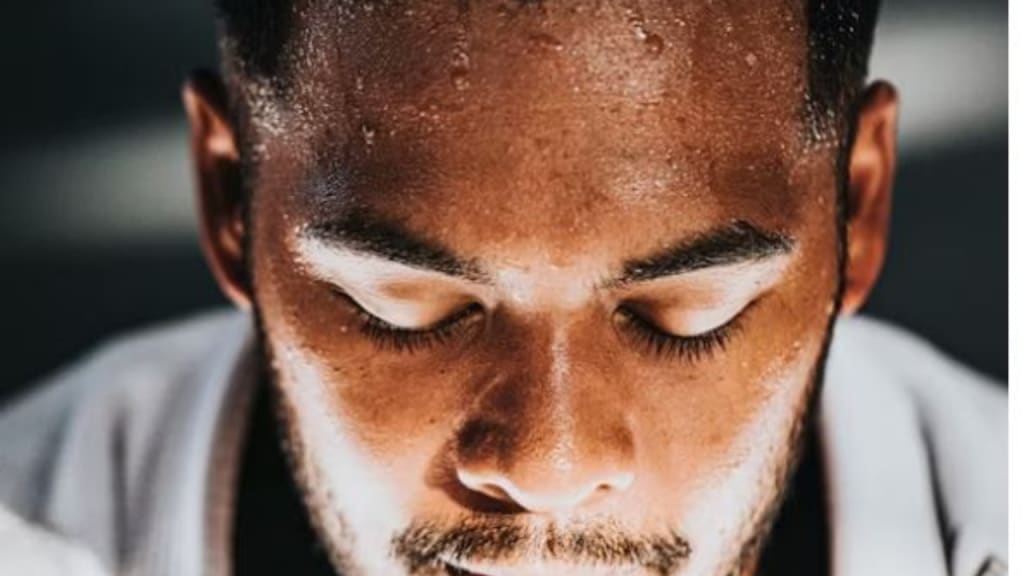
Many people suffer from excessive sweating, which is also known as hyperhidrosis. It can cause discomfort, shame, and a decrease in self-confidence. If you find yourself sweating excessively, especially in instances where it appears out of proportion to the temperature or your level of activity, there are effective ways for managing and reducing perspiration. We'll walk you through several tried-and-true strategies for staying dry and comfy all day.
1. PRACTICE GOOD HYGIENE
One of the simplest strategies to counteract excessive perspiration is to maintain adequate hygiene. Sweating alone has no odor, but when it reacts with microorganisms on your skin, it can produce an unpleasant stench. Showering on a regular basis using antibacterial soap can assist to eradicate the bacteria that cause this stench.
When you properly cleanse your skin, you reduce the possibility of body odor, even if you sweat excessively. Paying special care to sweat-prone areas, such as your underarms, feet, and groin, will help keep odor at bay. Consider incorporating antibacterial wipes into your daily routine to keep you feeling refreshed.
2. CHOOSE BREATHABLE FABRICS
The style of clothing you wear influences how much you sweat. Cotton, linen, and moisture-wicking fabrics are more breathable and allow for improved ventilation, which reduces the quantity of perspiration your body produces. These fabrics help to absorb sweat and dry rapidly, ensuring your comfort. Synthetic textiles, such as polyester or nylon, retain heat and make you sweat more.
Choose loose-fitting clothing, especially during hot and humid weather, to allow air to circulate about your body. Light-colored clothing also reflects heat rather than absorbs it, allowing you to stay cooler.
3. USE ANTIPERSPIRANTS WITH ALUMINUM CHLORIDE
Excessive sweating is commonly managed by using an antiperspirant containing aluminum chloride. Antiperspirants act by temporarily inhibiting sweat glands, limiting the amount of perspiration that reaches the skin's surface. Aluminum chloride is a highly effective active component for perspiration control.
Apply antiperspirants before bedtime since your sweat glands are less active, allowing the product to perform more effectively. If regular-strength antiperspirants don't seem to be enough, consider clinical-strength solutions that offer further protection. Deodorants, while useful in disguising odor, do not prevent perspiration, so make sure you use an antiperspirant.
4. STAY HYDRATED
It may appear paradoxical, but staying hydrated is one of the most effective strategies to prevent sweating. When your body is well hydrated, it can better control its temperature, lessening the need to sweat to cool off. Drink plenty of water throughout the day, especially in hot weather or while exercising.
In addition to drinking water, avoid meals and drinks that cause sweating. Spicy foods, coffee, and alcohol are known to raise body temperature and stimulate sweat glands. By reducing these triggers, you may notice a decrease in sweat production.
5. REDUCE STRESS AND ANXIETY
Stress and anxiety are important causes of excessive perspiration, especially in situations where you feel uncomfortable or under pressure. When you are anxious, your body produces adrenaline, which stimulates the sweat glands, causing you to sweat more than usual.
Including stress-reduction tactics in your regular routine can be really effective for controlling sweating. Yoga, meditation, deep breathing techniques, and mindfulness can all help you relax and reduce stress-induced sweating. Regular physical activity, appropriate sleep, and spending time outside can all help your body control its stress response.
6. CONSIDER MEDICAL TREATMENTS IF NECESSARY
If you've tried a variety of self-care approaches but still experience excessive sweating, it may be time to seek medical attention. Some choices are:
PRESCRIBED ANTIPERSPIRANTS: In extreme cases of hyperhidrosis, a doctor may recommend a stronger antiperspirant with a higher concentration of aluminum chloride.
BOTOX INJECTIONS: The FDA has approved Botox to treat excessive underarm sweating. It works by temporarily inhibiting the neurons that activate sweat glands, resulting in drastically reduced sweat production.
DRUGS: Some oral drugs can assist reduce sweating by affecting the sweat glands or soothing the neurological system.
SURGICAL PROCEDURES: In extreme cases, surgery to remove sweat glands or cut the nerves that cause sweat production may be indicated.
Always visit a healthcare expert to determine the best treatment options for your specific circumstance.
FINAL THOUGHTS
Excessive sweating is a frustrating problem, but with the appropriate tactics, you may recover control of it. There are numerous techniques to prevent and regulate sweating, including proper cleanliness habits and breathable clothes, as well as the use of effective antiperspirants and stress management. If these tips do not provide adequate relief, seek medical attention. Addressing the problem early on might prevent you from the agony and shame that excessive sweating frequently causes, enabling you to concentrate on living a more confident, sweat-free life.
About the Creator
julius
Julius, a skilled writer known for captivating readers with engaging blog posts, YouTube videos, and strategic affiliate marketing campaigns, is a multifaceted powerhouse in online content creation.
Wise~Guys
— Look Behind what's in Front of You ~ Make Good Choices — Hey, So how you Doin'..! Made~Men — Mobster Movies romanticise a distinctive, elegant appearance, impeccable attire style, along with the 'Families' expressive lingo. Making their 'Bones' gave them Panache — with vintage fedoras, tailored pin-striped suits, mirror-polished wing-tip shoes adorned with tassels; with their 'Gun Moll' gorgeous dates on their arms.
By Jay Kantor18 days ago in Families




Comments
There are no comments for this story
Be the first to respond and start the conversation.