
Top Methods for Getting Mould Out of Fabric
Effective and Simple Techniques to Remove Mould from Fabric Safely

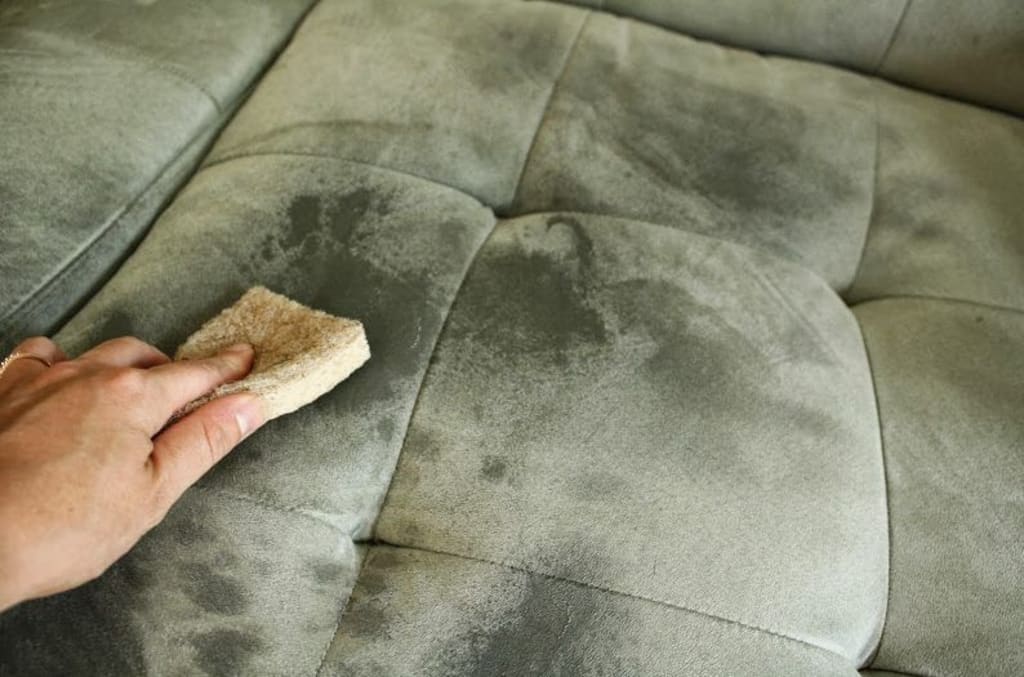
Mould can be a stubborn and unwelcome guest in our homes, especially when it decides to settle into our fabrics. Whether it’s your favorite couch, your clothes, or other fabric items, mould not only looks unsightly but can also pose serious health risks. In this blog post, we will explore the top methods for getting mould out of fabric, ensuring your belongings look fresh and stay safe for use. Whether you're dealing with a small spot of mould or a more severe case, these techniques will help you effectively tackle the problem.
Understanding Mould and Its Impact on Fabric
Mould is a type of fungus that grows in warm, damp, and humid conditions. It reproduces through tiny spores that float through the air. When these spores land on a damp surface, they begin to grow, leading to the mouldy patches we often see on fabrics. Mould can be more than just an eyesore; it can cause allergic reactions, respiratory problems, and other health issues, making it crucial to address the problem promptly.
Common Reasons Mould Grows on Fabric
- High Humidity: Fabrics left in areas with high humidity, such as bathrooms or basements, are more prone to mould growth.
- Poor Ventilation: Rooms or closets with little to no airflow can create an ideal environment for mould.
- Damp Fabrics: Leaving wet clothes or upholstery without proper drying can lead to mould growth.
- Organic Materials: Mould thrives on organic materials like cotton, linen, and other natural fibers.
Top Methods for Removing Mould from Fabric
Here are some of the most effective methods for getting mould out of fabric. Each technique can be used depending on the severity of the mould and the type of fabric involved.
1. Using White Vinegar
White vinegar is a natural and powerful solution that can effectively kill mould. It's an excellent choice because it's non-toxic and safe to use on most fabrics.
Steps to Use White Vinegar:
Prepare the Solution: Mix equal parts of white vinegar and water in a spray bottle.
- Apply to the Fabric: Spray the mixture directly onto the mouldy area of the fabric. Be sure to saturate the area well.
- Let It Sit: Allow the vinegar solution to sit on the fabric for at least 30 minutes. The acid in the vinegar will work to kill the mould.
- Rinse and Wash: After 30 minutes, rinse the fabric with water and then wash it with laundry detergent. Use the hottest water setting that the fabric can handle.
- Dry Completely: Ensure the fabric is completely dry after washing, preferably in direct sunlight, which also helps kill mould spores.
2. Baking Soda and Water
Baking soda is another natural remedy that can help remove mould and eliminate the musty smell that often accompanies it.
Steps to Use Baking Soda:
- Create a Paste: Mix one tablespoon of baking soda with a small amount of water to form a paste.
- Apply the Paste: Rub the baking soda paste onto the mouldy area of the fabric using a brush or cloth.
- Let It Work: Allow the paste to sit on the fabric for 10-15 minutes. Baking soda helps to absorb moisture and kill mould.
- Rinse and Wash: Rinse off the baking soda with water and wash the fabric in the washing machine using laundry detergent.
- Dry Thoroughly: Dry the fabric completely, preferably in sunlight.
3. Hydrogen Peroxide
Hydrogen peroxide is a common household disinfectant that is highly effective at killing mould and mildew. It's particularly useful for white or colorfast fabrics.
Steps to Use Hydrogen Peroxide:
Apply the Solution: Pour a 3% hydrogen peroxide solution (available at most drugstores) directly onto the mouldy area.
- Let It Sit: Allow the hydrogen peroxide to sit on the fabric for about 10-15 minutes. It will foam slightly, which indicates it's working to kill the mould.
- Blot and Wash: Blot the area with a clean cloth to remove excess moisture, then wash the fabric as usual in the washing machine.
- Dry: Dry the fabric thoroughly, using sunlight or a dryer, depending on the fabric type.
4. Lemon Juice and Salt
Lemon juice is a natural bleaching agent, and when combined with salt, it can help scrub away mould and disinfect the fabric.
Steps to Use Lemon Juice and Salt:
- Apply Lemon Juice: Squeeze fresh lemon juice over the mouldy area of the fabric.
- Add Salt: Sprinkle salt over the lemon juice. The salt acts as a mild abrasive to help scrub away mould.
- Rub the Mixture: Use a cloth or brush to gently rub the lemon juice and salt mixture into the fabric.
- Sun Dry: Place the fabric in the sun to dry. The combination of lemon juice, salt, and sunlight helps to kill mould and bleach away stains.
- Rinse and Wash: After drying, rinse the fabric to remove the lemon juice and salt, then wash it as usual.
5. Tea Tree Oil Solution
Tea tree oil is a natural fungicide and is very effective at killing mould. Though more expensive than some other remedies, it is highly effective.
Steps to Use Tea Tree Oil:
- Prepare the Solution: Mix one teaspoon of tea tree oil with one cup of water in a spray bottle.
- Apply to the Fabric: Spray the mixture onto the mouldy fabric. Ensure that the area is thoroughly saturated.
- Do Not Rinse: Unlike other methods, you don’t need to rinse tea tree oil off. Let it sit and air dry, as the oil will continue to work against the mould.
- Wash if Desired: If you prefer, you can wash the fabric after allowing it to sit with the tea tree oil solution.
Tips for Cleaning Mould from Fabric Upholstery
Mould on fabric upholstery, like couches or armchairs, can be challenging to remove. Here's how to tackle it effectively:
- Vacuum First: Use a vacuum cleaner with a HEPA filter to remove loose mould spores from the fabric. This helps prevent spreading the spores around.
- Apply Cleaning Solution: Use one of the mould-killing solutions mentioned above (vinegar, baking soda, or tea tree oil) and apply it to the affected areas using a spray bottle.
- Scrub Gently: Use a soft brush or cloth to gently scrub the mouldy area.
- Rinse Carefully: Wipe the area with a clean, damp cloth to remove any residue of the cleaning solution.
- Dry Completely: Use a fan or a hairdryer on a cool setting to dry the fabric. Make sure it is thoroughly dry to prevent mould from returning.
Professional Couch Cleaning
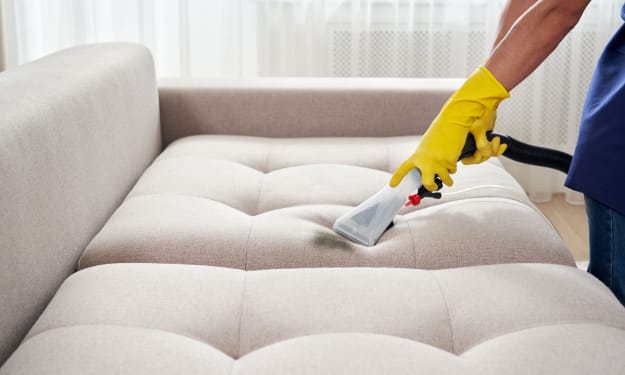
Sometimes, DIY methods might not be enough, especially for severe mould infestations on large items like couches. In such cases, seeking professional help is advisable. Professional services for couch cleaning in Melbourne or your near by areas have the expertise and equipment to thoroughly clean and disinfect upholstery. They use specialized mould removal treatments that are safe for fabrics and effective in eliminating mould spores, ensuring your couch is fresh, clean, and mould-free.
Preventing Mould from Returning
Once you've successfully removed mould from your fabrics, taking steps to prevent its return is crucial. Here are some tips to keep your fabrics mould-free:
- Control Humidity: Use dehumidifiers in areas prone to moisture, such as basements and bathrooms.
- Ensure Proper Ventilation: Keep air flowing in your home, especially in rooms where fabrics are stored. Open windows or use fans to improve ventilation.
- Dry Fabrics Properly: Always ensure that clothes, towels, and other fabrics are thoroughly dried before storing them.
- Clean Spills Immediately: Address spills or stains on fabric surfaces immediately to prevent moisture from setting in.
- Regular Cleaning: Regularly clean and vacuum fabric surfaces to remove dust and dirt that can retain moisture.
Conclusion
Mould can be a persistent problem, but with the right methods, you can effectively remove it from fabric and prevent it from coming back. Whether you use natural remedies like vinegar, baking soda, or hydrogen peroxide, or seek professional couch cleaning services for more significant issues, tackling mould head-on will keep your fabrics clean, fresh, and safe. Remember, the key to dealing with mould is to act quickly and ensure proper drying and ventilation to avoid future growth. By following these methods and tips, you can maintain a healthy and mould-free home environment.



Comments
There are no comments for this story
Be the first to respond and start the conversation.