
How to Get Full Custody of a Child Without Going to Court in California
The Smartest Way to Resolve Custody Without a Court Battle

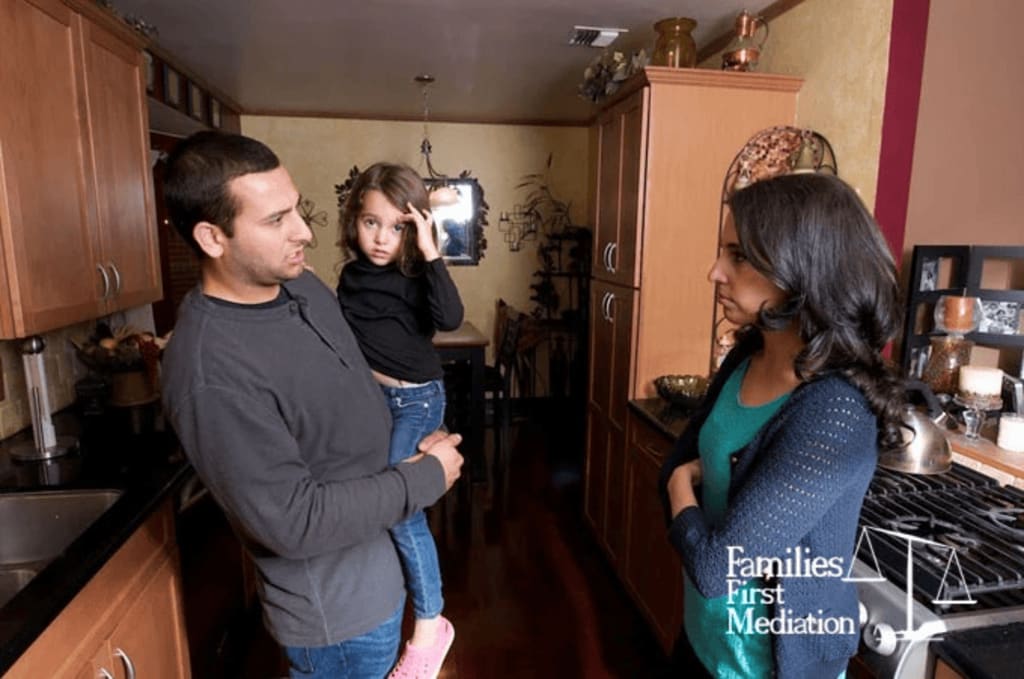
Can You Get Full Custody Without Going to Court?
Parents want what’s best for their child. When relationships end, child custody becomes a major concern. Many parents believe the court is the only way to get full custody. But court battles are expensive, stressful, and unpredictable. The good news? You can get full custody without going to court. Mediation helps parents create custody agreements outside of a courtroom.
Instead of letting a judge decide, parents work together to create a parenting plan that fits their child’s needs. This process is faster, cheaper, and less stressful. Before you start, know what not to say in mediation. Saying the wrong things can hurt your case. Read this: What Not to Say in Child Custody Mediation.
What Is Full Custody in California?
Full custody means one parent has sole responsibility for the child. It can take two forms: sole legal custody, which gives one parent the authority to make all significant decisions about the child’s education, healthcare, and overall well-being, and sole physical custody, which means the child lives with one parent most or all of the time, while the other parent may have visitation rights.
Does California Favour Joint Custody?
California courts prefer joint custody because they believe children benefit from having both parents involved. To get full custody, a parent must show why it’s best for the child.
Common reasons courts approve full custody:
- One parent is unable to provide a stable home.
- The other parent has a history of neglect or abuse.
- There is a risk to the child’s safety.
With mediation, parents can agree on full custody without waiting for a judge.
Why Should You Avoid Court?

Many parents believe going to court is the best way to get full custody. But court comes with risks.
Court Is Expensive
Hiring a lawyer, filing paperwork, and attending multiple hearings cost thousands of dollars. The longer a case lasts, the more expensive it gets.
A Judge Makes the Final Decision
In court, a judge decides custody based on legal guidelines. Parents have little control over the outcome. Even with strong arguments, the judge may rule in favour of joint custody.
Court Cases Take Time
Custody battles can take months or even years. During this time, stress and uncertainty affect both parents and the child.
Court Can Damage Co-Parenting
Litigation creates conflict. Parents argue in front of lawyers and judges, making it harder to co-parent in the future.
Mediation avoids these issues. Parents work together to create a fair and lasting custody plan.
How Does Child Custody Mediation Work?

Mediation is a process where parents negotiate custody with the help of a neutral third party. This person, called a mediator, guides the discussion and helps parents reach an agreement.
Steps in the Mediation Process
- Schedule a mediation session – Parents agree to meet with a mediator.
- Discussion of custody issues – The mediator helps parents express concerns.
- Negotiation – Parents discuss custody, visitation, and decision-making responsibilities.
- Agreement drafting – If parents agree, the plan is written into a legal document.
- Court approval – The document is submitted to the court to become legally binding.
Why Mediation Works
Mediation offers a faster resolution, often taking weeks instead of years. It is also more affordable, helping parents avoid expensive legal fees. Unlike court, mediation gives parents more control over custody decisions rather than leaving the outcome to a judge. The process is private, reducing stress and avoiding the emotional toll of a public court battle. Most importantly, mediation keeps parents focused on their child’s needs rather than legal arguments.
How to Build a Strong Case for Full Custody in Mediation
Mediation works best when a parent presents a strong case for full custody.
Show Full Custody Is in the Child’s Best Interest
The key to getting full custody is proving it benefits the child. Courts and mediators look for stability, consistency, and emotional support.
Ask yourself:
- Do you provide a safe home?
- Can you meet the child’s physical and emotional needs?
- Will full custody create a stable environment?
- Provide Evidence If the Other Parent Is Unfit
If the other parent is unfit, provide proof to support your case. Document any instances of neglect or abuse, noting unsafe situations that could harm the child. If substance abuse is a concern, keep records of any issues related to drugs or alcohol. Unstable living conditions can also impact custody decisions, so gather evidence if the other parent frequently moves or lacks a safe home. Mediators and courts rely on facts, not opinions, so maintain records of missed visitations, harmful behavior, or any relevant police reports if necessary.
Be Willing to Cooperate
Even if you seek full custody, showing that you support the child’s relationship with the other parent helps your case. Mediators prefer parents who encourage positive co-parenting.
If full custody is best, explain how your plan keeps the child safe while allowing healthy contact with the other parent.
What If Mediation Does Not Work?
Mediation requires both parents to cooperate. If one parent refuses, or if there are serious concerns, mediation may not work.
Situations Where Mediation May Fail
If there is a history of abuse, mediation is not a safe option, as it requires open communication and cooperation. If one parent refuses to negotiate, the process cannot proceed since mediation relies on both parents participating. Serious conflict can also make mediation unproductive, especially if parents are unable to communicate or work toward a mutual agreement.
What to Do If Mediation Fails
If mediation does not lead to an agreement, other options include:
- Arbitration – A private process where a neutral third party makes a binding decision.
- Court intervention – A judge decides custody if parents cannot agree.
While these options exist, mediation remains the best first step.
Conclusion: Mediation Is the Best Way to Get Full Custody Without Courts
Full custody is possible without going to court. Mediation helps parents create a parenting plan without the stress of litigation.
Key Takeaways:
- Mediation is faster, cheaper, and less stressful than court.
- Parents keep control over custody decisions.
- Full custody requires evidence that it benefits the child.
- If mediation fails, the court may be necessary.
Before mediation, prepare your case and avoid common mistakes. Mediation puts your child first. Take the first step toward an agreement today.
About the Creator
Dina Haddad
I’m Dina Haddad, founder of Families First Mediation in California. I specialize in divorce, custody, and support mediation, helping families find peaceful solutions that prioritize harmony and well-being.
Keep reading
More stories from Dina Haddad and writers in Families and other communities.
How to Win Child Custody Mediation | 7 Successful Tips
Child custody mediation is a process where parents are assisted in creating a parenting plan without resorting to court. It offers a neutral environment where parents can talk about custody issues with the assistance of a certified mediator. It aims to enable parents to settle disputes in a manner that serves the child’s best interests while minimizing the friction between parents.
By Dina Haddad11 months ago in Families
Wise~Guys
— Look Behind what's in Front of You ~ Make Good Choices — Hey, So how you Doin'..! Made~Men — Mobster Movies romanticise a distinctive, elegant appearance, impeccable attire style, along with the 'Families' expressive lingo. Making their 'Bones' gave them Panache — with vintage fedoras, tailored pin-striped suits, mirror-polished wing-tip shoes adorned with tassels; with their 'Gun Moll' gorgeous dates on their arms.
By Jay Kantor20 days ago in Families
Caregiver Burnout Explained: Smart Apps That Reduce Stress and Save Time
That moment you blink awake and realize you’re already done for the day! It is indeed a worse feeling. The caregiving never takes a day off, even when you desperately need one. Over time, emotional pressure quietly builds. You manage appointments, emotions, and expectations, often without support. That steady weight leads many caregivers toward caregiver burnout, even when love stays strong. Technology now offers gentle help. Caregiver burnout apps for stress relief supports you through demanding days.
By Centre of Healing Minds5 days ago in Families




Comments
There are no comments for this story
Be the first to respond and start the conversation.