
How to Fix Carpet Seams That Have Come Apart
Simple DIY Tips to Repair and Re-join Carpet Seams

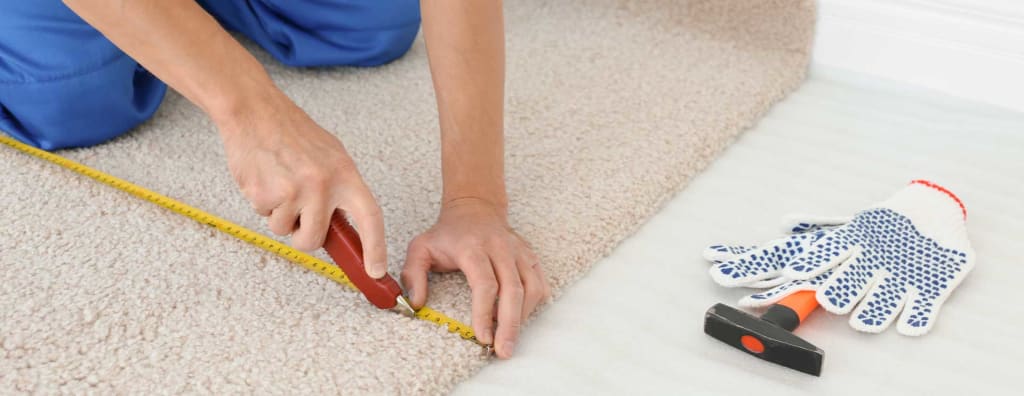
Carpets are a popular choice for flooring in many homes due to their warmth, comfort, and ability to add a cozy feel to any room. However, over time, carpets can experience wear and tear, leading to various issues, one of the most common being carpet seams that come apart. When the seams of a carpet start to separate, it can not only look unsightly but also create tripping hazards and reduce the overall lifespan of your carpet. Fortunately, fixing carpet seams that have come apart is a manageable task, and in many cases, you can do it yourself with the right tools and techniques. In this blog, we will guide you through the steps to fix carpet seams that have come apart, and when to seek professional services for carpet repair in Frankston or whatever your location , for a seamless result.
Why Do Carpet Seams Come Apart?
Understanding why carpet seams come apart can help you prevent this issue in the future and take better care of your carpet. Here are some common reasons why carpet seams may start to separate:
- Poor Installation: One of the primary reasons carpet seams come apart is due to improper installation. If the seams were not joined correctly during installation, they are more likely to separate over time.
- Heavy Foot Traffic: High-traffic areas, such as hallways and living rooms, put more stress on carpet seams. Continuous pressure from foot traffic can cause the seams to wear down and come apart.
- Aging Carpet: As carpets age, the adhesive that holds the seams together can weaken. This makes the seams more prone to separating, especially if the carpet is old or has been exposed to a lot of wear and tear.
- Temperature and Humidity Changes: Fluctuations in temperature and humidity can cause the carpet and adhesive to expand and contract. Over time, this can weaken the seams and cause them to come apart.
- Improper Cleaning Techniques: Using excessive water or harsh cleaning agents can weaken the adhesive and cause the carpet seams to separate. Always use appropriate cleaning methods and products for your carpet type.
How to Fix Carpet Seams That Have Come Apart: DIY Methods
Fixing carpet seams that have come apart can be a straightforward DIY task if the damage is minor. Here are some effective methods also used by professional carpet repairs Pakenham or the surrounding regions, you can use to repair carpet seams yourself:
1. Re-Gluing the Seam
Re-gluing the seam is a simple method for fixing carpet seams that have come apart. This method works best for minor seam separations where the adhesive has failed but the carpet is still in good condition.
Materials Needed:
- Carpet seam adhesive or carpet glue
- A putty knife or small brush
- A seam roller or heavy object
- Masking tape
Steps:
- Clean the Area: Start by cleaning the area around the separated seam. Remove any dirt, dust, or debris that may interfere with the adhesive. You can use a vacuum cleaner to clean the carpet.
- Apply Masking Tape: Place masking tape along both sides of the seam to protect the surrounding carpet from excess adhesive.
- Lift the Carpet Edges: Gently lift the edges of the carpet along the separated seam using your fingers or a putty knife. Be careful not to tear the carpet fibers.
- Apply Carpet Glue: Squeeze a line of carpet seam adhesive or carpet glue along the edge of the seam. Use a putty knife or small brush to spread the glue evenly along the seam.
- Press the Seams Together: Press the edges of the carpet seam together firmly. Use a seam roller or a heavy object (like a stack of books) to press down on the seam. This helps ensure a strong bond and prevents the seam from coming apart again.
- Allow to Dry: Leave the glue to dry according to the manufacturer’s instructions. Avoid walking on the repaired seam until the adhesive is fully dry.
2. Using Carpet Seam Tape
Carpet seam tape is another effective method for fixing carpet seams that have come apart. Seam tape provides a strong bond and is commonly used during carpet installation.
Materials Needed:
- Carpet seam tape (heat-activated or self-adhesive)
- A seam iron (for heat-activated tape) or a household iron
- A seam roller
- Scissors
Steps:
Clean and Prepare the Area: Clean the area around the separated seam. Remove any loose debris or fibers that may interfere with the tape.
- Lift the Carpet Edges: Carefully lift the edges of the carpet along the separated seam. You may need to use a putty knife or your fingers to lift the carpet.
- Cut the Seam Tape: Cut a piece of carpet seam tape that is slightly longer than the length of the separated seam. Position the tape under the seam with the adhesive side facing up.
- Heat the Tape: If you are using heat-activated seam tape, use a seam iron or a household iron set to medium heat. Place the iron over the seam tape and press down to activate the adhesive. Move the iron slowly along the seam to ensure the entire length is heated and the adhesive is activated.
- Press the Seams Together: Once the adhesive is activated, press the edges of the carpet seam together firmly. Use a seam roller to press down on the seam, ensuring a strong bond.
- Allow to Cool and Set: Allow the seam to cool and set according to the manufacturer’s instructions. Avoid walking on the seam until the adhesive is fully set.
3. Sewing the Seam
For minor seam separations, sewing the seam back together can be an effective repair method. This method works best for carpets with thicker or looped fibers.
Materials Needed:
- Carpet thread or strong nylon thread
- A curved upholstery needle
- Scissors
Steps:
- Prepare the Area: Clean the area around the separated seam. Make sure there is no dirt or debris that could interfere with the repair.
- Thread the Needle: Thread a curved upholstery needle with carpet thread or strong nylon thread. Knot the end of the thread to secure it.
- Sew the Seam: Starting at one end of the separated seam, insert the needle into the carpet backing on one side of the seam. Pull the thread through and then insert the needle into the backing on the opposite side of the seam. Continue sewing back and forth across the seam, pulling the edges together.
- Secure the Thread: Once you’ve sewn the entire length of the seam, knot the thread securely to hold the seam together. Trim any excess thread.
- Blend the Fibers: Use your fingers or a brush to blend the carpet fibers over the seam, making the repair less noticeable.
When to Call Professional Carpet Repair Services
While DIY methods can be effective for minor seam separations, there are times when it’s best to call professional carpet repair services. Here are some situations where professional help is recommended:
- Large or Extensive Seam Separation: If the seam separation is large or extensive, DIY methods may not be sufficient. Professional carpet repair services have the tools and expertise to handle larger repairs and ensure a seamless result.
- Specialty Carpets: If you have specialty carpets, such as Berber, wool, or patterned carpets, it’s best to leave repairs to professionals. These carpets require specific techniques and materials to ensure a proper repair.
- Improper Installation: If the seam separation is due to improper installation, a professional can assess the situation and make the necessary repairs to ensure the carpet is properly installed.
- Lack of Tools and Experience: Carpet repair requires specific tools and skills. If you don’t have the necessary tools or experience, calling a professional can save time and ensure the repair is done correctly.
Choosing the Right Carpet Repair Service
If you decide to hire a professional carpet repair service, it’s essential to choose a reputable and experienced company. Here are some tips to help you find the right carpet repair service:
- Check Reviews and References: Look for online reviews and testimonials from previous customers. Positive reviews and high ratings are good indicators of reliable service. Ask for references from the company to hear about other customers' experiences.
- Ask About Experience: Choose a carpet repair service with experience in handling various types of carpet damage. Experienced professionals are more likely to provide high-quality repairs.
- Get Quotes: Request quotes from multiple carpet repair services to compare prices. Be wary of unusually low prices, as this may indicate subpar service or hidden costs.
- Check for Certification: Look for carpet repair services certified by recognized organizations, such as the Institute of Inspection, Cleaning, and Restoration Certification (IICRC). Certification indicates that the company follows industry standards and has trained professionals.
- Ask About Guarantee: Inquire about the company’s guarantee or warranty for their work. A reputable company will stand by their work and offer a satisfaction guarantee.
Preventing Future Seam Separation
After repairing your carpet seams, taking preventive measures can help avoid future separation. Here are some tips to keep your carpet seams intact:
- Proper Installation: Ensure that your carpet is installed correctly by a professional. Proper installation includes securing seams with the appropriate adhesive and tape.
- Use Area Rugs: Place area rugs in high-traffic areas to protect the carpet seams from wear and tear. Area rugs can absorb the pressure from foot traffic and reduce stress on the seams.
- Avoid Dragging Furniture: When moving furniture, avoid dragging it across the carpet. Lift furniture or use furniture sliders to prevent damage to the seams.
- Regular Cleaning: Vacuum your carpet regularly to remove dirt and debris that can wear down the seams. Use gentle cleaning methods and avoid excessive water or harsh chemicals that can weaken the adhesive.
- Control Humidity: Maintain a consistent indoor temperature and humidity level to prevent the carpet and adhesive from expanding and contracting. Use a dehumidifier if necessary to control humidity.
Conclusion
Fixing carpet seams that have come apart can be a straightforward task with the right tools and techniques. Whether you choose to do it yourself or hire professional carpet repair services, prompt action can help restore your carpet’s appearance and prevent further damage. By understanding the causes of seam separation and taking preventive measures, you can keep your carpet looking fresh and in excellent condition for years to come. Remember, maintaining your carpet not only enhances the aesthetics of your home but also adds to its comfort and value.
About the Creator
James Smith
I am a dedicated writer with a passion for sharing expert knowledge about carpet repair. With years of experience in the industry, I provide practical tips and in-depth guides to help homeowners maintain their carpets to their beauty.
Keep reading
More stories from James Smith and writers in Families and other communities.
Removing Carpet Stains: A Repair Guide
Carpets add warmth, comfort, and style to our homes, making them a popular flooring choice. However, life happens, and so do spills and stains. Whether it's from a spilled glass of wine, muddy footprints, or a pet accident, carpet stains can be both unsightly and frustrating to deal with. Luckily, you don't always need to replace your carpet to restore its appearance. With the right techniques and tools, you can effectively remove carpet stains and make your carpet look good as new. This guide will walk you through the best methods for removing carpet stains and when to consider professional carpet repair services in Truganina or the surrounding regions.
By James Smith2 years ago in Families
Author’s Advice
If you would’ve asked me 20 years ago did I know I’d become a writer and an author, I would’ve said “nope, ain’t happening”. As fate would have it I did become an author and I can honestly say I’m loving it so far. It really does feel good to be a writer. I’ve learned a lot on this journey and I feel like with even me being as new to this world as I am, there’s some wisdom I need to share with every other aspiring author.
By Joe Patterson4 days ago in Journal




Comments
There are no comments for this story
Be the first to respond and start the conversation.