
Removing Carpet Stains: A Repair Guide
Easy Steps to Fix and Remove Common Carpet Stains

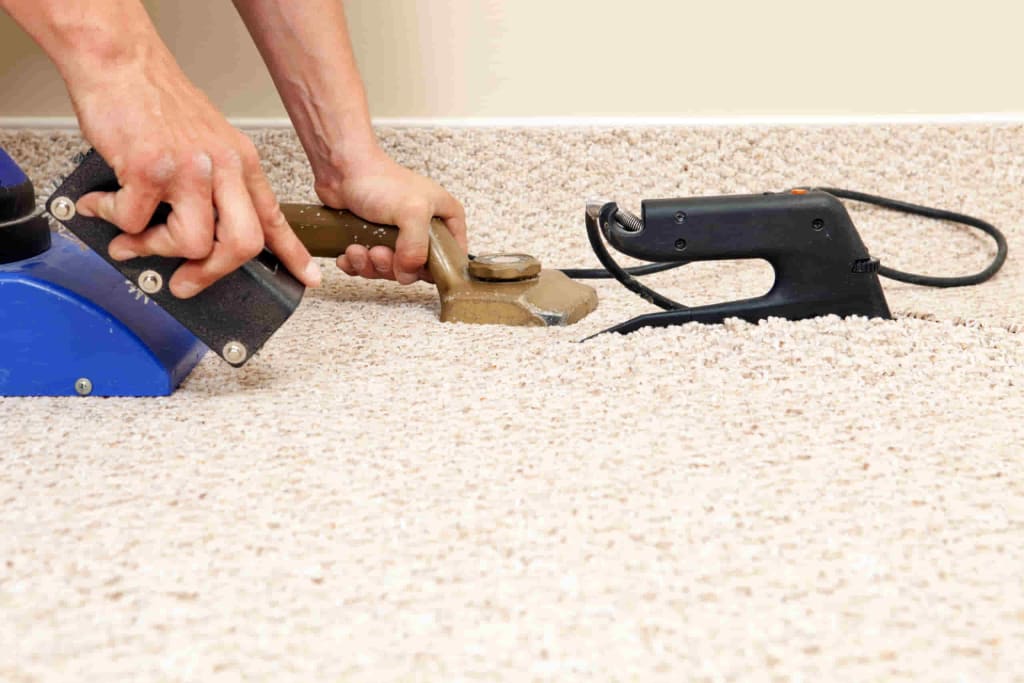
Carpets add warmth, comfort, and style to our homes, making them a popular flooring choice. However, life happens, and so do spills and stains. Whether it's from a spilled glass of wine, muddy footprints, or a pet accident, carpet stains can be both unsightly and frustrating to deal with. Luckily, you don't always need to replace your carpet to restore its appearance. With the right techniques and tools, you can effectively remove carpet stains and make your carpet look good as new. This guide will walk you through the best methods for removing carpet stains and when to consider professional carpet repair services in Truganina or the surrounding regions.
Understanding Carpet Stains
Before diving into stain removal techniques, it’s important to understand the nature of carpet stains. Different types of stains require different treatment methods, and knowing the type of stain you're dealing with can help you choose the most effective approach. Whether you're a DIY enthusiast or someone looking to save on professional services like carpet repair in Frankston, this comprehensive guide. Here are some common types of carpet stains:
- Water-Based Stains: These include spills like juice, soda, coffee, tea, and alcoholic beverages. Water-based stains are generally easier to remove because they dissolve in water.
- Oil-Based Stains: These stains come from items like cooking oils, grease, makeup, and lotions. Oil-based stains can be more challenging to remove because they repel water and require special cleaning agents.
- Protein-Based Stains: These include food spills like eggs, milk, and blood, as well as pet accidents. Protein-based stains can bond with carpet fibers and set in if not treated promptly.
- Tannin Stains: These are caused by natural compounds found in coffee, tea, and wine. Tannin stains can be difficult to remove because they contain natural dyes that can bond with carpet fibers.
- Dye Stains: These include stains from ink, food coloring, and certain beverages like red wine. Dye stains can be particularly stubborn because they are designed to color.
- Pet Stains: Pet urine, feces, and vomit can cause stains that are not only visible but also leave behind unpleasant odors. These stains often require specialized cleaning products to remove effectively.
Essential Tools and Materials for Carpet Stain Removal
To effectively remove carpet stains, it’s important to have the right tools and materials on hand. Here are some essential items you'll need for carpet stain removal:
- Clean White Cloths or Paper Towels: These are used for blotting stains and should be white to prevent color transfer to the carpet.
- Spray Bottle: A spray bottle allows you to apply cleaning solutions evenly to the stained area.
- Mild Dish Soap: A few drops of mild dish soap mixed with water can be an effective solution for many stains.
- White Vinegar: Vinegar is a natural cleaner that can help remove stains and neutralize odors.
- Baking Soda: Baking soda is a gentle abrasive that can help lift stains and absorb odors.
- Hydrogen Peroxide: Hydrogen peroxide can help remove tough stains, especially protein-based stains like blood.
- Carpet Stain Remover: Commercial carpet stain removers are specially formulated to tackle various types of stains. Make sure to choose one that is suitable for your type of carpet.
- Carpet Brush: A soft-bristle carpet brush can help work cleaning solutions into the carpet fibers and lift stains.
- Wet/Dry Vacuum: A wet/dry vacuum can be useful for extracting liquid from the carpet after cleaning.
Step-by-Step Guide to Removing Common Carpet Stains
Now that you have the right tools and materials, let's go through a step-by-step guide on how to remove some common carpet stains:
1. Removing Water-Based Stains
- Water-based stains are among the easiest to remove because they dissolve in water. Here’s how to tackle them:
- Blot the Stain: Start by blotting the stain with a clean white cloth or paper towel to absorb as much liquid as possible. Avoid rubbing, as this can push the stain deeper into the carpet fibers.
- Prepare a Cleaning Solution: Mix one teaspoon of mild dish soap with one cup of warm water. Pour the solution into a spray bottle.
- Apply the Solution: Spray the cleaning solution onto the stained area. Use just enough to dampen the carpet without soaking it.
- Blot Again: Blot the stain with a clean cloth to lift it out of the carpet. Repeat this process until the stain is gone.
- Rinse with Water: Spray the area with clean water to rinse out the soap. Blot with a dry cloth to remove excess moisture.
- Dry the Area: Allow the carpet to air dry completely. You can use a fan or open windows to speed up the drying process.
2. Removing Oil-Based Stains
Oil-based stains can be more challenging because they don’t dissolve in water. Here’s how to remove them:
- Blot the Stain: Use a clean cloth to blot as much of the oil as possible. Avoid rubbing, as this can spread the stain.
- Apply Baking Soda: Sprinkle baking soda over the stained area to absorb the oil. Let it sit for 15-20 minutes.
- Vacuum the Baking Soda: Use a vacuum cleaner to remove the baking soda and absorbed oil.
- Prepare a Cleaning Solution: Mix one tablespoon of mild dish soap with one cup of warm water. Apply the solution to the stain using a spray bottle.
- Blot with a Cloth: Blot the stained area with a clean cloth to lift the oil. Repeat the process until the stain is gone.
- Rinse and Dry: Rinse the area with clean water and blot dry. Allow the carpet to air dry completely.
3. Removing Protein-Based Stains
Protein-based stains, like blood and pet accidents, can bond with carpet fibers if not treated promptly. Here’s how to remove them:
- Blot the Stain: Use a clean cloth to blot as much of the stain as possible. For blood stains, use cold water to avoid setting the stain.
- Apply Hydrogen Peroxide: Pour a small amount of hydrogen peroxide directly onto the stain. Let it sit for a few minutes.
- Blot with a Cloth: Blot the stained area with a clean cloth to lift the stain. You may need to repeat the process several times for stubborn stains.
- Rinse and Dry: Rinse the area with clean water and blot dry. Allow the carpet to air dry completely.
4. Removing Tannin Stains
Tannin stains from coffee, tea, and wine can be difficult to remove due to their natural dyes. Here’s how to tackle them:
- Blot the Stain: Use a clean cloth to blot as much of the liquid as possible. Avoid rubbing.
- Apply Vinegar Solution: Mix one part white vinegar with two parts water. Apply the solution to the stained area using a spray bottle.
- Blot with a Cloth: Blot the stained area with a clean cloth to lift the stain. Repeat the process as needed.
- Rinse and Dry: Rinse the area with clean water and blot dry. Allow the carpet to air dry completely.
5. Removing Dye Stains
Dye stains from ink or food coloring can be particularly stubborn. Here’s how to remove them:
- Blot the Stain: Use a clean cloth to blot as much of the stain as possible. Avoid rubbing.
- Apply a Stain Remover: Use a commercial carpet stain remover specifically designed for dye stains. Follow the product instructions for application.
- Blot with a Cloth: Blot the stained area with a clean cloth to lift the stain. Repeat the process as needed.
- Rinse and Dry: Rinse the area with clean water and blot dry. Allow the carpet to air dry completely.
Preventing Future Carpet Stains
Prevention is key to keeping your carpet looking clean and fresh. Here are some tips to help prevent future carpet stains:
- Use Rugs and Mats: Place rugs and mats in high-traffic areas, such as entryways and hallways, to protect your carpet from dirt and stains.
- Clean Spills Immediately: The quicker you clean up a spill, the less likely it is to stain. Keep cleaning supplies on hand to address spills as soon as they happen.
- Avoid Walking on Carpet with Shoes: Shoes can track in dirt, mud, and other substances that can stain your carpet. Consider having a no-shoes policy in your home.
- Use Carpet Protectors: Apply a carpet protector spray to help repel stains and spills. Carpet protectors create a barrier that prevents liquids from soaking into the carpet fibers.
- Regular Vacuuming: Vacuum your carpet regularly to remove dirt and debris that can contribute to stains. Pay special attention to high-traffic areas.
When to Call Professional Carpet Repair Services
While DIY stain removal can be effective, there are times when it’s best to call in professional carpet repair services. Here are some scenarios where professional help is recommended:
- Stubborn Stains: If you’ve tried multiple methods and still can’t remove a stain, a professional carpet cleaner has the tools and expertise to tackle tough stains.
- Large or Old Stains: Large stains or stains that have been set in for a long time can be difficult to remove. A professional can assess the situation and use specialized cleaning techniques.
- Carpet Damage: If your carpet is damaged, such as fraying or pulling up from the floor, a professional carpet repair service can fix the damage and restore the carpet’s appearance.
- Odor Removal: Pet accidents and other spills can leave behind odors that are difficult to eliminate. Professional carpet cleaners use advanced equipment to remove odors and sanitize the carpet.
Finding Carpet Repair Services
If you’re need help with carpet stain removal or repair, here are some tips for finding a reliable carpet repair service:
- Check Reviews and Testimonials: Look for online reviews and testimonials from previous customers. A reputable company will have positive feedback and a history of satisfied clients.
- Ask for Recommendations: Ask friends, family, or neighbors if they have any recommendations for carpet repair services. Personal referrals can be a valuable resource.
- Verify Credentials: Make sure the company is licensed and insured. This provides peace of mind and protection in case of any accidents or damages during the repair process.
- Get Multiple Quotes: Contact several carpet repair companies to get quotes for the repair job. Compare prices, services, and response times to find the best fit for your needs.
Conclusion
Carpet stains are a common problem that many homeowners face, but they don’t have to be permanent. By using the right tools and techniques, you can effectively remove stains and keep your carpet looking clean and fresh. Whether you choose to tackle the stains yourself or hire professional carpet repair services, the key is to act promptly and use the appropriate methods for each type of stain.
About the Creator
James Smith
I am a dedicated writer with a passion for sharing expert knowledge about carpet repair. With years of experience in the industry, I provide practical tips and in-depth guides to help homeowners maintain their carpets to their beauty.
Keep reading
More stories from James Smith and writers in Families and other communities.
DIY Carpet Repair: A Step-by-Step Guide
Carpets make our homes cozy and inviting, but over time, they can get damaged. Knowing how to fix common carpet issues yourself can save money and keep your home looking great. In this simple guide, we'll walk you through the steps to repair your carpet. Whether you're dealing with a small snag or a larger tear, you'll find the help you need here. For those who prefer professional help, This article provides more knowledge about Services for Carpet Repair in Tarneit or your local vicinity.
By James Smithabout a year ago in Families
Wise~Guys
— Look Behind what's in Front of You ~ Make Good Choices — Hey, So how you Doin'..! Made~Men — Mobster Movies romanticise a distinctive, elegant appearance, impeccable attire style, along with the 'Families' expressive lingo. Making their 'Bones' gave them Panache — with vintage fedoras, tailored pin-striped suits, mirror-polished wing-tip shoes adorned with tassels; with their 'Gun Moll' gorgeous dates on their arms.
By Jay Kantor18 days ago in Families
Miss Persephone's Manual to a Seemingly Ordinary Life
Miss Persephone was found at the dining table, her blue eyes swollen, her tears arriving and retreating like the tides of the ocean. Earlier that day, her family had visited her in the retirement home where she had lived for eight years. It was her eightieth birthday.
By Imola Tóth3 days ago in Fiction




Comments
There are no comments for this story
Be the first to respond and start the conversation.