
How to Check Your Child’s Facebook Activity: A Complete Guide for Modern Parents
A Simple, Trust-Building Guide to Help Parents Understand and Navigate Their Child’s Facebook Activity Safely
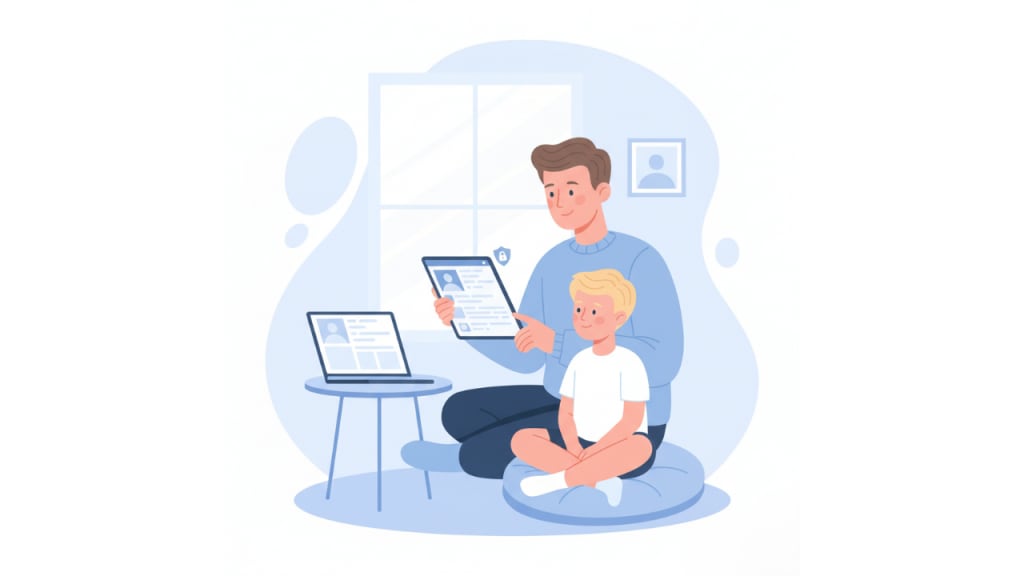
In today’s digital world, Facebook is one of the first places kids explore social interaction, connections, and self-expression. While it can be a great platform for learning and communication, it also comes with risks that parents can’t ignore. Understanding your child’s Facebook activity isn’t about controlling them—it’s about keeping them safe, informed, and emotionally supported.
Why Parents Need to Stay Aware of Facebook Activity
Kids often spend hours scrolling, posting, reacting, and chatting on Facebook. While most of it is harmless, issues like cyberbullying, oversharing, fake profiles, and unsafe friendships can quietly develop. Staying aware of your child’s activity helps you guide them, protect them, and strengthen trust as they navigate online spaces.
Common Risks and Behaviors Kids May Encounter
Children may join random groups, accept friend requests from strangers, post personal details, or interact with content that isn’t age-appropriate. They may also face social pressure, online arguments, or hidden conversations. Understanding these patterns helps parents respond with empathy and awareness rather than fear.
How to Manually Check Your Child’s Facebook Activity
Start by reviewing their profile together. Look at recent posts, photos, stories, and comments to understand what they share publicly. Next, check their friends list to ensure they’re connected only with people they know in real life. You can also explore their timeline activity to see what they’ve liked or reacted to. Doing this cooperatively encourages honesty and builds maturity around online use.
How to Review the Activity Log for Deeper Insights
Facebook’s Activity Log is a powerful tool parents often overlook. It organizes everything your child does—likes, comments, searches, tags, group activity, and more. Sit with your child and go through this log to identify patterns, unsafe interactions, or content that needs attention. Use this time as a learning opportunity rather than a strict inspection.
Use Facebook’s Built-In Privacy & Safety Tools
Facebook allows users to limit who can see their posts, tag them, or send friend requests. Teach your child how to use privacy settings properly. Show them how to block suspicious profiles, report harmful content, and secure their profile so only trusted contacts can reach them. These small steps significantly improve their social media safety.
When Manual Checking Isn’t Enough: Using a Facebook Tracking App
Some parents may need deeper insight—especially when their child faces bullying, secrecy, or risky interactions. A Facebook tracking app can help by giving you access to activity details like conversations, shared media, notifications, and friend interactions. These tools are designed for parental guidance, not control, and should be used responsibly while maintaining transparency with your child.
Healthy Conversations: How to Talk to Your Child About Online Behavior
Open communication is far more effective than strict monitoring. Ask your child how they feel about their online world and discuss common online risks in a calm, supportive way. Encourage them to come to you if they face something confusing or uncomfortable. This builds trust and reduces the chances of them hiding things from you.
Red Flags Parents Should Watch For
Be mindful of signs like sudden privacy changes, deleted conversations, unknown friends, or emotional shifts after using Facebook. While these don’t always indicate a serious problem, they may signal that your child needs support, understanding, or a conversation.
Balancing Safety and Privacy
It’s important to keep your child safe without micromanaging their every move. Create clear boundaries about Facebook use, screen time, and online behavior. At the same time, give them space to learn, grow, and express themselves. Balance creates a healthier digital environment for both parent and child.
Conclusion: Building a Safer Digital Journey Together
Monitoring your child’s Facebook activity isn’t about spying—it’s about guiding them toward safe, responsible online habits. With honest conversations, mindful supervision, and the right tools, you can help your child enjoy Facebook while staying protected and confident.
About the Creator
Keep reading
More stories from Ahmad Hassan and writers in Families and other communities.
How to See Someone’s Facebook Activity: A Practical Guide for Concerned Parents
Keeping your child safe online has become just as important as keeping them safe in the real world. With so much happening behind screens, parents often need practical ways to understand what their kids are doing on social media—especially on Facebook. This guide walks you through simple, responsible methods to check online activity while encouraging trust and healthier digital habits.
By Ahmad Hassan4 months ago in Families
In the End, Family Is Everything
"Family is not always about blood. It is about the people who choose to stand beside you when life becomes difficult." In a world that moves too fast, where everyone is chasing something — success, money, recognition — there is one place where we can still return without needing to prove anything.
By Zakir Ullah6 days ago in Families
Hottest in the Office
Dear Rafi, You’re very distracting to work around. For the first second I saw you the other day, I thought you were some type of executive. It took a moment to realize no, you were just the new guy, dressed up for the job he wants. Be still, my heart.
By Gabriel Shames5 days ago in Pride


Comments
There are no comments for this story
Be the first to respond and start the conversation.