
How Social Media is Affecting Mental Health
Generation Z at Risk

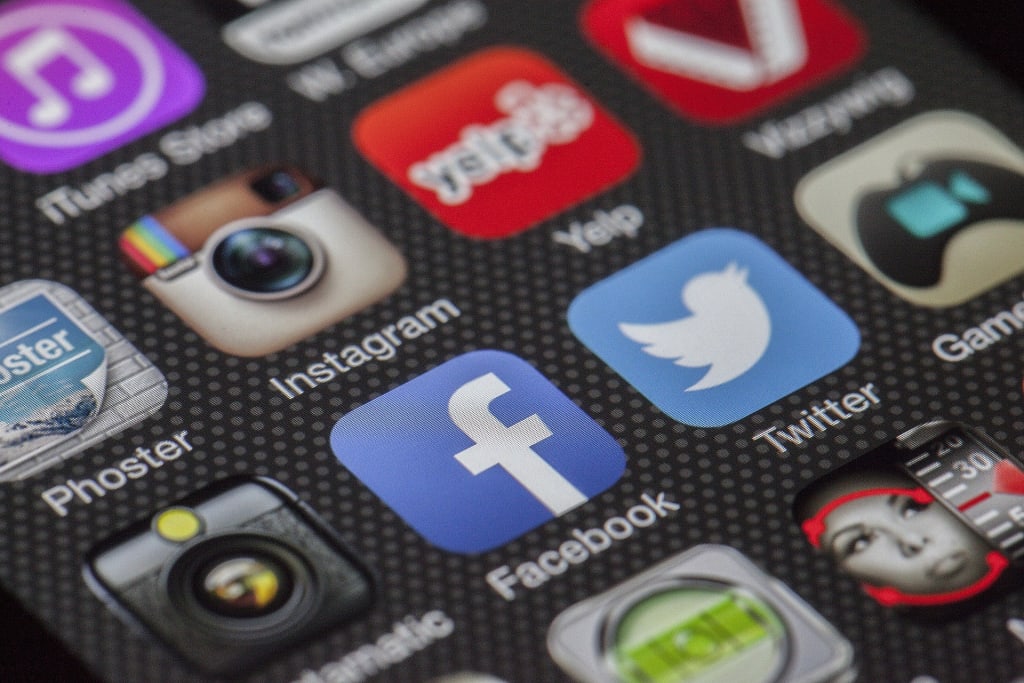
Generation Z at Risk: How Social Media is Affecting Mental Health
Social media has undoubtedly become an integral part of our daily lives, but a recent study conducted by McKinsey Health Institute has revealed its adverse effects on the mental health of the Gen Z population, born in the late 1990s and early 2000s.
According to the study, one in four Gen Z members have spoken about their declining mental health in the last three years. The study also highlighted that Gen Zers are more likely than other generations to experience negative feelings associated with social media.
The study surveyed close to 42,000 respondents from 26 different nations across various continents, with a focus on four different health dimensions - mental, physical, social, and spiritual. Shockingly, the study found that the Gen Z population ranked the worst in all of these categories.
The study also revealed that 35% of Gen Z respondents spend more than two hours on social media daily, compared to 24% of millennials and 14% of baby boomers. Moreover, female Gen Z respondents were found to report poor mental health (21%) more than their male counterparts (13%).
Kana Enomoto, the director of brain health at the McKinsey Health Institute and one of the authors of the study, emphasized that mental health affects everyone, and it's crucial to increase awareness about it to the global population.
The study highlights the urgent need for parents, educators, and policymakers to understand the potential harms of excessive social media usage and create awareness to help young people develop healthy social media habits. It's crucial to ensure that individuals, particularly the Gen Z population, have a balance between their online and offline activities and prioritize their mental and emotional wellbeing.
The study by McKinsey Health Institute sheds light on the impact of social media on the mental health of Gen Z, an issue that has become increasingly prevalent over the years. The findings of the study are a wake-up call for everyone involved, and it's time we take proactive steps towards addressing this problem.
The constant exposure to social media platforms, where unrealistic beauty standards and perfect lives are often portrayed, has a significant impact on the self-esteem of young people. They are also exposed to cyberbullying, trolling, and online hate, which can lead to severe emotional distress and anxiety.
It's no secret that social media can have a detrimental impact on the mental health of Generation Z. With the constant comparison to others' highlight reels, cyberbullying, and addiction to likes and followers, it's easy to see how social media can negatively impact mental well-being.
However, there are steps that can be taken to minimize the negative effects of social media. Here are a few tips:
- Limit Social Media Usage: While social media can be an excellent tool for connecting with others, it's important to recognize when it's becoming too much. Set a time limit on social media use or take a break altogether.
- Be Mindful of Social Media Content: Pay attention to how social media content makes you feel. If you find yourself feeling negative emotions after scrolling through your feed, it might be time to unfollow accounts that don't bring you joy.
- Prioritize Face-to-Face Interactions: Social media can never replace the value of face-to-face interactions with loved ones. Make time for in-person conversations and activities that bring you joy.
- Seek Professional Help: If you're struggling with mental health issues related to social media, seek the help of a mental health professional. Therapy can help you develop healthy coping mechanisms and strategies for managing negative emotions.
It's important to remember that social media is just a tool, and it's up to us to use it in a way that benefits our mental well-being. By taking steps to limit social media usage, be mindful of content, prioritize face-to-face interactions, and seek professional help when needed, we can mitigate the negative effects of social media on our mental health.
I believe it's crucial to create awareness and educate young people about the potential dangers of social media. Parents, educators, and policymakers need to work together to help young people develop healthy social media habits and encourage them to prioritize their mental and emotional well-being.
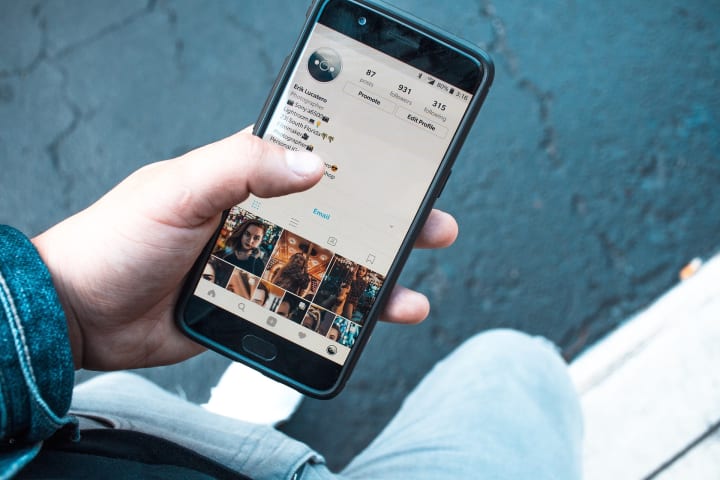
One way to do this is by promoting the idea of "digital detox" and encouraging young people to take regular breaks from social media. Parents and educators can also help by modeling healthy behavior and limiting their own social media usage.
In conclusion, social media has become an integral part of our lives, but it's essential to be mindful of the potential impact it can have on our mental health. By taking proactive steps towards creating awareness and promoting healthy social media habits, we can help young people lead happier and more fulfilling lives.
#GenZMentalHealth #SocialMediaImpact #DigitalDetox #HealthySocialMediaHabits #MentalHealthAwareness
About the Creator
Awakened Mind
A curious mind, an open heart, and a willingness to learn can change the world. A mind open to new ideas, a heart open to new experiences, and a spirit open to new challenges can make a world of difference.
Keep reading
More stories from Awakened Mind and writers in Families and other communities.
Wise~Guys
— Look Behind what's in Front of You ~ Make Good Choices — Hey, So how you Doin'..! Made~Men — Mobster Movies romanticise a distinctive, elegant appearance, impeccable attire style, along with the 'Families' expressive lingo. Making their 'Bones' gave them Panache — with vintage fedoras, tailored pin-striped suits, mirror-polished wing-tip shoes adorned with tassels; with their 'Gun Moll' gorgeous dates on their arms.
By Jay Kantor16 days ago in Families




Comments
There are no comments for this story
Be the first to respond and start the conversation.