
How Modern Parents Use GPS Apps to Protect Their Children
Balancing safety, trust, and independence with smart GPS parenting tools

Parenting in 2025 is very different from just a decade ago. Today’s children are more independent, active, and digitally connected than any generation before them. They spend time in after-school activities, go on field trips, and socialize in ways that sometimes take them out of direct parental supervision. For many parents, this creates one recurring concern—Where is my child right now, and are they safe?
Thanks to technology, that question is easier to answer than ever before. GPS and child-monitoring apps have moved from being niche emergency tools to everyday parenting aids. They’re not just about tracking a phone—they’re about providing reassurance, safety, and smart decision-making for families.
From Emergency Tools to Everyday Parenting Essentials
In the early days, GPS tracking for kids was something only tech-savvy or very cautious parents used. Today, it’s mainstream. A study from the Pew Research Center found that more than 60% of parents now use some form of location tracking to stay informed about their children’s whereabouts. In the UK, research suggests four in ten parents check their child’s GPS location daily.
This shift has happened for several reasons. Children today often have more autonomy, especially as they get older, and parents have to manage work, home, and school schedules all at once. A GPS app makes it possible to confirm that your child arrived safely at school, reached a friend’s house, or is on the way home—without having to constantly call or text.
The Features Parents Rely On Most
Modern GPS apps have evolved beyond simple maps and location pings. While the core function—showing your child’s location in real-time—remains vital, these tools now integrate features that make them far more useful for everyday life.
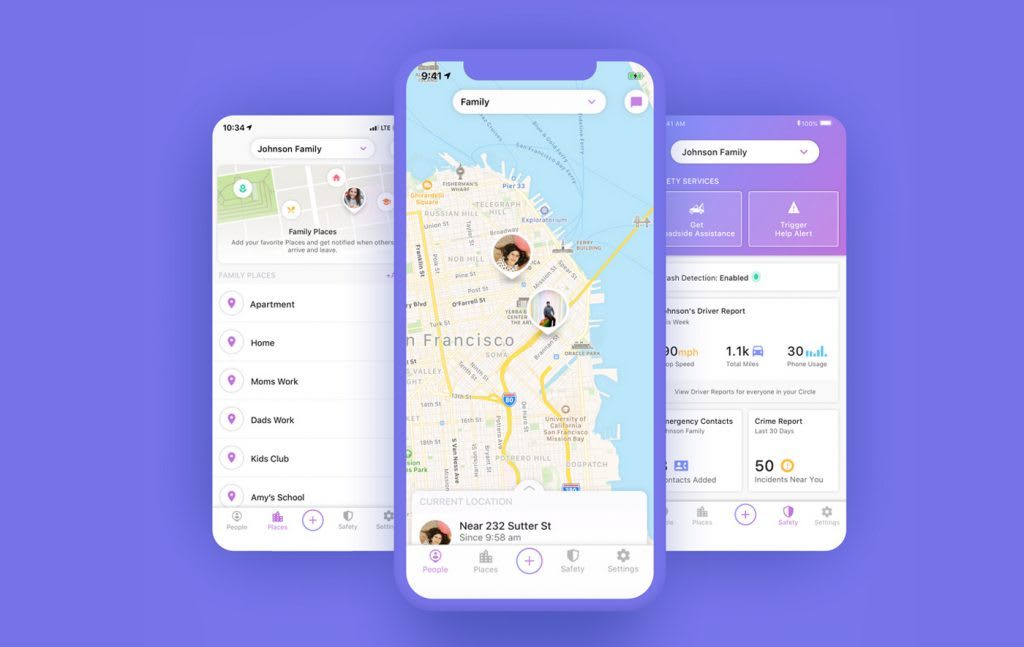
Many popular apps offer geofencing, which allows parents to set up virtual boundaries. For example, you can create a “school zone” or “home zone,” and the app will send an alert when your child enters or leaves that area. This makes it easy to know if they arrived where they were supposed to be.
Some apps also include emergency or SOS buttons that children can press if they feel unsafe. In certain cases, the app can automatically detect events like car accidents or sudden stops, sending an alert to parents right away.
Beyond location, many of these tools incorporate digital activity insights, allowing parents to monitor app usage, set screen time limits, or block harmful websites. In fact, according to research from the Digital Wellness Lab, nearly 75% of parents who use monitoring apps also review the apps their child downloads, and almost half check call and text logs.
One excellent resource for comparing these types of tools is the guide to apps that help you track your child’s location precisely. It breaks down the top options and their most important features, helping parents choose the right fit for their family.
Life360 and the Rise of All-in-One Safety Apps
A prime example of an all-in-one GPS safety app is Life360. Initially designed for location sharing among family members, it has grown into a platform that offers:
- Real-time tracking
- Crash detection
- Driving behavior reports for teen drivers
- Group chat for quick coordination
- Zone-based arrival and departure alerts
Life360 has made headlines for helping law enforcement find missing teens and providing critical location data in emergencies. Statistics show that nearly half of parents of teen drivers use tracking apps like Life360, and 87% of them report that their child’s driving habits improved as a result.
The appeal is clear: it’s a single app that addresses multiple safety concerns without forcing parents to juggle different tools.
Balancing Safety and Privacy
While GPS tracking provides undeniable benefits, it also raises questions about autonomy and trust. Some children, especially teenagers, may feel that constant monitoring signals a lack of trust or invades their privacy. Experts suggest that how parents introduce and use these tools can make all the difference.
Open communication is key. Children should know what the app does, why it’s being used, and when tracking is active. Framing GPS use as a safety measure rather than a surveillance tactic helps prevent resistance and builds understanding.
It’s also important to adjust monitoring as children grow older. A 10-year-old may need more active oversight than a responsible 16-year-old. Gradually reducing the intensity of monitoring can help older teens transition into adulthood with a sense of independence while still keeping them safe.
Real-Life Benefits Parents Experience
Parents who use GPS apps often say the biggest benefit is peace of mind. Being able to glance at an app and know where your child is removes a significant layer of daily stress. It also reduces the need for frequent check-in calls, giving children more freedom to go about their activities without interruptions.
In emergencies, these apps can be lifesaving. Whether it’s locating a child who missed the school bus, tracking down a lost phone, or responding to a car accident, having precise location data can save critical time. For parents of children with medical needs or developmental challenges, GPS tools add an extra layer of security during outings.
These apps also help in less urgent but still important situations. If a teenager borrows the car, parents can receive alerts about speeding or harsh braking. If a child takes public transport, parents can track their journey to ensure they get home safely.
Making GPS Apps Work for Your Family
The key to successful GPS app use is to see it as part of a broader safety strategy rather than a stand-alone solution. Technology should support your parenting goals, not replace communication, trust-building, or real-world guidance.
Here are some best practices for integrating GPS tracking into your family life:
- Discuss the decision with your child before installing the app.
- Focus tracking on times or situations that carry more risk, such as traveling alone or visiting unfamiliar places.
- Combine GPS data with regular conversations about safety, decision-making, and personal responsibility.
- Revisit the arrangement as your child matures, adjusting permissions and expectations.
The Future of Child Safety Technology
As technology continues to evolve, GPS tracking will likely become even more integrated with other safety tools. Wearables, such as smartwatches designed for kids, already combine GPS, messaging, and fitness tracking. In the near future, artificial intelligence may help parents spot unusual movement patterns or detect potential risks before they escalate.
Despite the growing sophistication of these tools, the fundamentals of good parenting remain the same: communication, trust, and a supportive relationship. GPS apps are most effective when they work alongside these elements rather than replacing them.
Final Thoughts
Modern parenting is a balancing act between giving children freedom and ensuring their safety. GPS tracking apps bridge that gap, offering parents real-time insight without having to be physically present. When used with respect for privacy and a focus on safety, they can strengthen—not weaken—the parent-child relationship.
In a fast-paced, unpredictable world, these tools aren’t just about knowing where your child is. They’re about ensuring that no matter where they go, they’re never truly alone.
About the Creator
Jan Smith
With over 7 years of experience in the field, Jan Smith is a seasoned content writer known for his ability to craft compelling and engaging content across a variety of industries.
Wise~Guys
— Look Behind what's in Front of You ~ Make Good Choices — Hey, So how you Doin'..! Made~Men — Mobster Movies romanticise a distinctive, elegant appearance, impeccable attire style, along with the 'Families' expressive lingo. Making their 'Bones' gave them Panache — with vintage fedoras, tailored pin-striped suits, mirror-polished wing-tip shoes adorned with tassels; with their 'Gun Moll' gorgeous dates on their arms.
By Jay Kantor17 days ago in Families
The quiet sound of families breaking
There is a kind of silence that is louder than any noise. It is the silence of a child waking in the night and realizing their parent is gone. It is the silence of a kitchen table with one chair suddenly empty. It is the silence of a home that still looks the same, but no longer feels the same. Across the United States, thousands of families live inside that silence. Not because of war. Not because of disaster. Not because of death. But because of policy.
By Kaylee Souther5 days ago in Families




Comments
There are no comments for this story
Be the first to respond and start the conversation.