
How Games and Videos Keep the Brain Excited
A Psychology Perspective

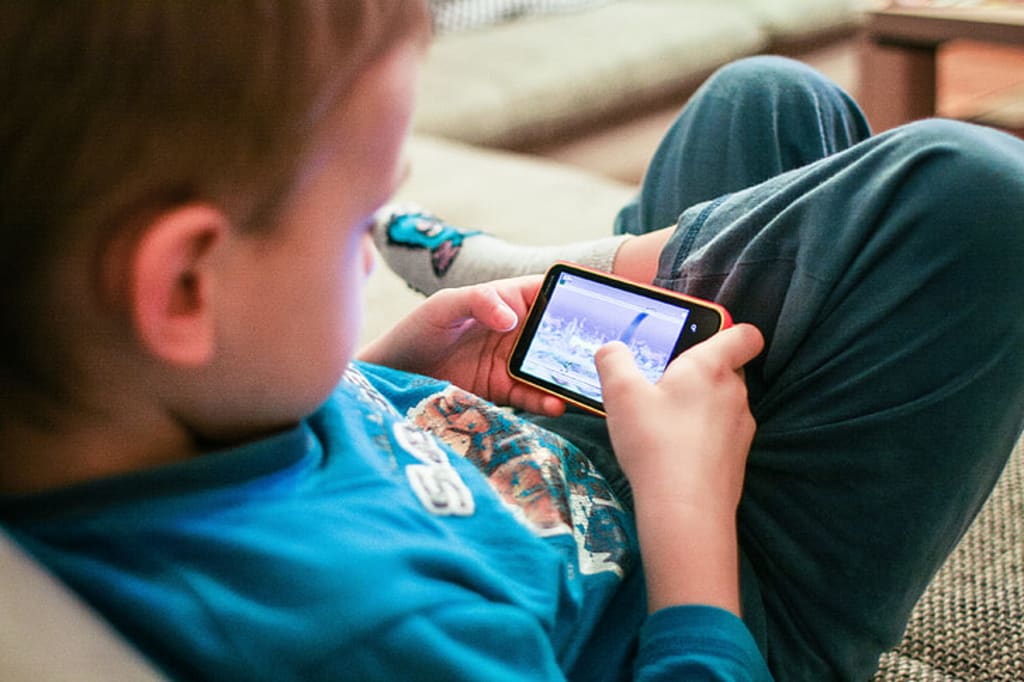
Introduction to Digital Excitement
Games and videos are everywhere today—on phones, TVs, tablets, and computers. For children, they are a source of fun, learning, and endless excitement. But have you ever wondered why they feel so addictive? Why does “five minutes” suddenly become an hour?
The answer lies inside the brain.
Why Screens Are So Engaging
Every tap, click, score, or funny clip gives the brain tiny rewards. These rewards feel good, so the brain keeps asking for more.
The Rise of Games and Videos in Children’s Lives
Kids today are growing up in a world full of digital entertainment. It’s colourful, fast, and designed to keep them watching or playing for a long time.
The Science Behind Excitement
Understanding Dopamine – The “Feel-Good” Chemical
Dopamine is a natural chemical that makes us feel happy, excited, or rewarded. When children play games or watch videos, their brains release dopamine again and again.
How the Brain Rewards Children with Every Click
Score a point? Dopamine.
Watch a funny scene? Dopamine.
Unlock a new level? More dopamine.
This creates a cycle: play → reward → play more.

Why Kids Often Want “One More Video”
Because dopamine feels good, the brain learns to expect these bursts. So kids naturally want to keep going.
Game Design and Brain Activation
Game creators know exactly how the brain works. They design every element to keep children excited.
Colourful Visuals and Fast Animations
Bright colours pull attention instantly. Fast animations keep the eyes busy and the brain alert.
Rewards, Levels, and Achievements
Every reward—coins, stars, badges, trophies—triggers dopamine.
The Psychology of “Flow State”
“Flow” is a mental state where someone feels fully focused and happy while doing something fun.
Not Too Hard, Not Too Easy – The Perfect Balance
Games are designed so the difficulty keeps increasing slowly. This keeps children challenged but not frustrated.
How Videos Maintain Attention
Videos, especially those for children, also use psychological tricks.
Bright Colours and Energetic Music
These stimulate the brain immediately and make the content feel more exciting.
Fast Cuts and Scene Changes
Every few seconds, something new happens—this prevents boredom.
The Power of Autoplay
Autoplay removes the moment of decision. Before a child can stop, the next video has already begun.
Short Videos and Quick Dopamine Bursts
Short videos give tiny shots of excitement very quickly, training the brain to expect constant entertainment.
When the Excitement Becomes Too Much
Overstimulation and the Modern Child
Too much fast-paced content can overload the brain.
Why Slow Activities Feel “Boring”
Homework, reading, or listening in class happens slowly. Compared to flashing screens, slow activities feel less exciting—not because the child is lazy, but because the brain is used to fast rewards.
What Happens When the Brain Gets Used to Fast Rewards
It becomes harder to focus on calm activities. This is a common effect—not a child’s fault.
Benefits of Games and Videos (When Used Wisely)
Screens are not all bad. When used mindfully, they can help children grow.
Improved Problem-Solving and Strategy
Games teach planning, thinking ahead, and decision-making.
Creativity, Learning, and New Ideas
Educational videos introduce science, language, geography, art, and more.
Boosting Coordination and Teamwork
Multiplayer games improve communication and teamwork.
Building Healthy Screen Habits
The 20–30 Minute Break Rule
Short breaks help the brain reset and prevent overstimulation.
Mixing Screens with Offline Activities
Balance is key.
Outdoor Play, Reading, and Hands-On Hobbies
Activities like drawing, puzzles, sports, and playing outside strengthen the brain differently.
Screen-Free Before Bed – Why It Matters
Screens before sleep overstimulate the brain and make it harder to relax.
Guiding Children Toward Balance
Setting Simple, Realistic Limits
One hour of entertainment screen time per day is a healthy guideline.
Watching Together as a Family
This makes screen time safer and creates bonding moments.
Teaching Kids About Dopamine and Self-Control
When children understand how their brain works, they feel more confident and in control.
Conclusion
Games and videos are exciting because they are designed to work with the brain’s natural reward system. Dopamine plays a huge role in why children want to keep playing or watching. But with healthy habits—like taking breaks, mixing activities, and setting limits—children can enjoy both screen time and real-life experiences. Balance is the key to keeping the brain happy, healthy, and strong.
About the Creator
Dua To Make Someone Fall In Love With You
Dua To Make Someone Fall In Love With You – A Powerful Prayer for Love and Connection Love is one of the most beautiful emotions that Allah has placed in human hearts. It creates happiness, emotional comfort, and a deep sense of connection between two people. When someone truly cares for another person but struggles to express their feelings or gain their attention, it can become emotionally challenging.
By Karm Aalign Muslim - Dua For Love Back - Wazifa For Love Back - Dua to Make Someone Love youabout 12 hours ago in Families
Early March 2026: 4 Goals Accomplished
It's early March and I've now accomplished my 4th writing goal for the year of 2026. Before diving into the behind-the-scenes of it... why not tell you up front what that accomplishment was? I was published in a 2nd publication for this year. Published in Helix Literary Magazine out of Central Connecticut State University. You can read it for free right now!
By Stephen Kramer Avitabile8 days ago in Writers




Comments
There are no comments for this story
Be the first to respond and start the conversation.